
Updated 1 November 2026. This is a fast-moving situation, and I will keep this page current as things change.
If you have a trip to Italy booked for the next few weeks, you have probably seen the footage: tear gas near Milan's Duomo, water cannon in Rome, soldiers on the streets. The short answer to the question my clients keep asking is this: Italy is not shut, and most of the country has been untouched, but the big-city centres have become unpredictable on protest days. If your trip is built around Milan, Rome or Florence, you have two good options. Stay, and plan around the known flashpoints, or shift some of your nights to the countryside, lakes and mountains, where daily life has carried on as normal.
Below is a plain-English summary of what has actually happened, the dates to watch, and the places I am recommending to clients at Italy Awaits Travel right now.
What Is Happening in Italy Right Now?
Since 16 October 2026, Italy has seen a wave of student, union and anti-government protests, part of a broader youth-led movement that started in France and has spread across Europe. Protesters cite the cost of living, low wages, military spending and opposition to the wars in the Middle East.1,2
Most marches have been peaceful, but a minority have turned violent:
- Milan, 17-18 October. The worst of it so far. Police used tear gas around Piazza del Duomo and the Galleria Vittorio Emanuele II, shop windows were broken and bins set alight near the Duomo, and the Duomo metro station was temporarily closed. Luxury boutiques in the shopping district boarded up their windows.1
- Saturday 24 October. Clashes in Rome, Milan, Turin, Bologna and Florence. In Florence, protesters threw firecrackers and bottles at police during a march near Ponte Santa Trinita and Via Tornabuoni. In Rome, police used water cannon near Largo di Santa Susanna.1
- Friday 30 October. A national general strike brought tens of thousands onto the streets of Rome, Milan and other cities. NBC News described the day as largely peaceful, although police used water cannon in Rome that night and protesters entered the Colosseum.2
The government has responded firmly. Around 500 army troops are deployed alongside police in Milan until the end of the year, and additional soldiers, drones and station checks are being used in other major cities.1,2
What about the fuel shortages in southern Italy?
Separately, truckers and farmers angry about diesel prices blockaded motorways and ports across Campania, Calabria, Puglia and Sicily in the second half of October. Some filling stations and supermarket shelves ran empty around Naples, and the airports at Crotone and Reggio Calabria briefly ran short of jet fuel.3 Several of the Sicilian and Calabrian groups suspended their action on 22 October, but reports since then have been mixed, so I am treating road trips in the deep south with caution for the moment. This is why you will not see Sicily or Puglia on my "go instead" list below, even though both are far from the big-city protests.
Is It Safe to Travel to Italy?
For the vast majority of visitors, yes. There have been no reported attacks on tourists, and the disruption has been concentrated in specific squares, on specific days, mostly in the evenings. The practical risks for a traveler are more mundane: a closed metro station, a cancelled train, a restaurant that shuts early, or getting caught behind a police line on the way back to your hotel.
The pattern so far is clear enough to plan around:
- Weekends and announced strike days are the flashpoints. Saturdays in particular.
- The trouble spots are city-centre squares and main boulevards, not museums, wineries, lakes or villages.
- Evenings are worse than mornings. Most clashes have started in the late afternoon or after dark.
If you are already in a city on a protest day, do what locals do: visit sights in the morning, avoid the march route, keep your evening plans close to your hotel, and step away from any crowd that is gathering. Follow the official travel advice from the U.S. Department of State and enroll in its STEP program so you receive embassy alerts.4
Which Strike Dates Should I Plan Around in November?
Italy has a regulated strike system, and strikes are announced in advance on the Ministry of Infrastructure and Transport's official calendar.5 These are the November dates reported so far:6
| Date | What | Who it affects |
|---|---|---|
| Mon 9 November | Italo rail strike, 9:01am to 4:59pm | Italo high-speed trains |
| Fri 13 November | ATM local transport strike | Milan metro, buses and trams |
| Fri 20 to Sat 21 November | National rail strike, 9pm Friday to 8pm Saturday, alongside a CGIL general strike | Trenitalia, Italo and regional trains |
| Sat 21 to Sun 22 November | Air traffic control and airport strikes | Some flights, including Milan Malpensa |
Dates can be added, moved or cancelled, so always check the official list a few days before you travel. Italian rail strikes include guaranteed service windows (typically early morning and early evening), and I go through how those work in my guide to train travel and strikes in Italy. For the strike days themselves, a private driver is often the simplest fix.
Where Should I Go in Italy Instead?
The good news is that Italy's most beautiful places are mostly not its biggest cities. If you want to keep your dates but lower your exposure, these are the regions I am steering clients toward this season, all of which have been calm throughout the unrest.
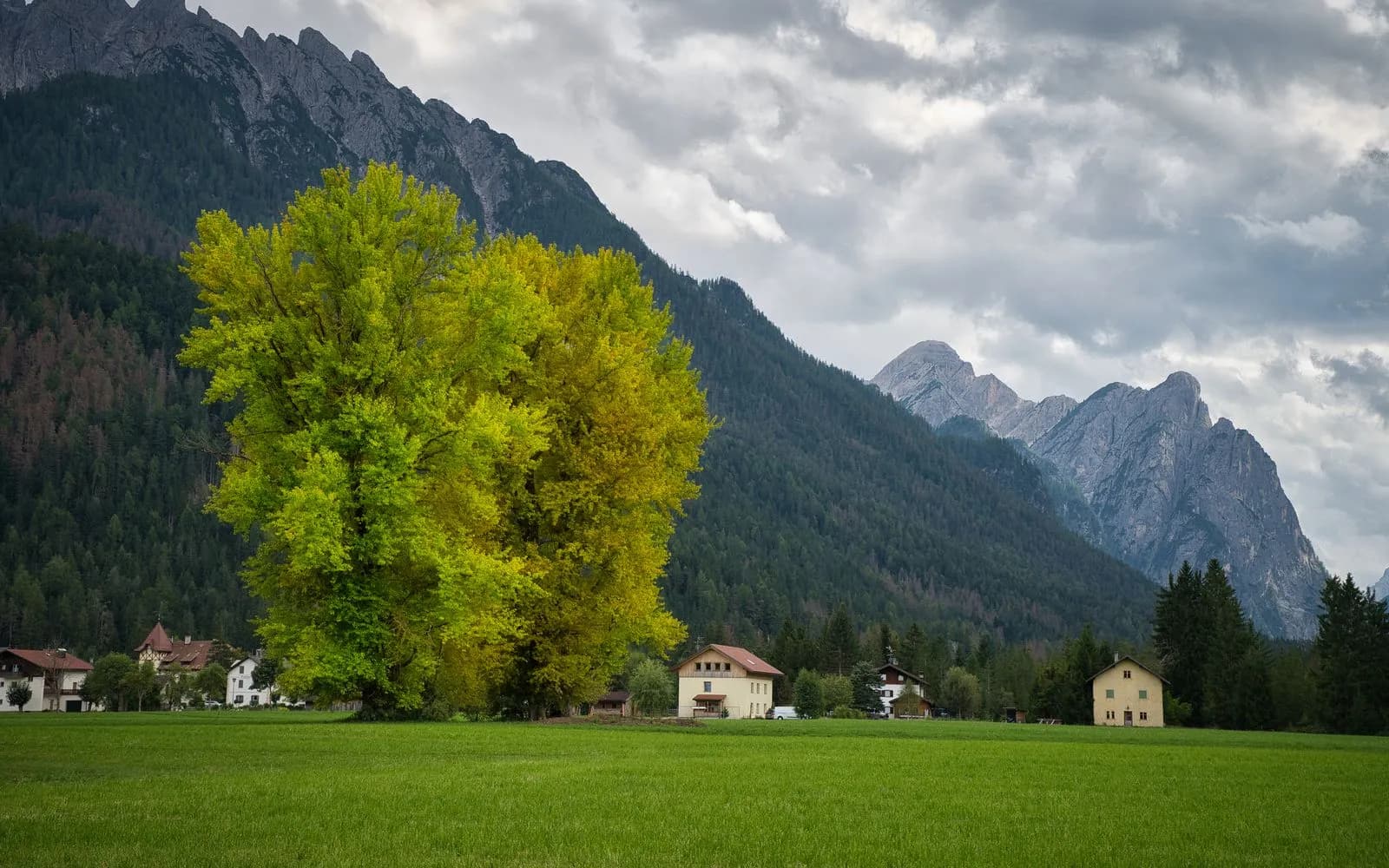
The Dolomites and Alto Adige
This is my first pick for November and December. Bolzano, Merano and Bressanone sit in the mountains far from the protest centres, the early ski season starts in December, and the region's famous Christmas markets open on 26 November. Fly into Venice or Verona rather than Milan and take the train up the Brenner line. My full guide to Italy's Christmas markets in Alto Adige and Trentino has dates and bases.
Lake Como and Lake Garda
Lake Como is close to Milan geographically but feels like another world, and Bellagio, Varenna and Tremezzo have carried on exactly as normal. The trick is to skip central Milan entirely: arrange a private transfer straight from Malpensa airport to the lake. Note that many of the grand villas and hotels close for winter, so check dates in my Lake Como planning guide. Lake Garda, with Verona airport on its doorstep, is the easier lake to reach without touching a big city.
Umbria
If your heart was set on Florence, Umbria gives you the same hill towns, frescoes and olive groves without the crowds or the marches. Base yourself near Spello, Montefalco or Orvieto, and add a day on Lake Trasimeno. Perugia airport is small and quiet, or drive up from Rome Fiumicino and bypass the city.
Rural Tuscany
The Florence clashes were confined to a few streets in the centre on a single Saturday evening. The Tuscan countryside of the Val d'Orcia, Chianti and Montepulciano is unaffected, and November is olive harvest and new oil season. Stay in a countryside estate and visit Florence on a weekday morning if you still want to see the Uffizi.
Le Marche
Le Marche is the region I suggest when clients want "Tuscany as it used to be": Renaissance Urbino, the Conero coast, Verdicchio vineyards and white truffle season in Acqualagna. It is quiet, beautiful and well away from the trouble. My Le Marche travel guide covers how to plan it.
Valpolicella and the Veneto countryside
Wine estates in the hills above Verona are a lovely, low-key base, and you can dip into Venice on a weekday. See my Valpolicella wine country guide.
Should I Cancel My Trip to Italy?
In most cases, no. I would adjust rather than cancel. Here is how I am handling it for clients:
- Keep the trip, move the nights. Swap two or three nights in Milan or Rome for one of the regions above, and treat the city as a day visit on a weekday.
- Avoid arriving or departing on strike days. If your flight lands on 21 or 22 November, consider changing it now while there is still availability.
- Book central hotels away from the main squares. In Milan, that means avoiding the immediate Duomo area on weekends; in Rome, staying a little away from the main protest routes around Termini and the Circus Maximus.
- Check your travel insurance carefully. Many policies exclude events that were already known when you bought the cover, so if you are buying insurance now, read the civil unrest and strike sections, or consider a "cancel for any reason" upgrade.
- Build in slack. An extra night before a cruise departure or international flight is cheap insurance in itself.
If you are traveling in the next few weeks and not sure what to change, this is exactly the kind of thing I do every day. Get in touch and I will look at your itinerary and suggest the smallest changes that make the biggest difference. If you are also heading to France, my sister service has a matching guide to where to go in France while Paris deals with protests.
Frequently Asked Questions
Is it safe to visit Rome right now?
Yes, with sensible precautions. Rome has seen clashes on protest days, mostly around Termini, the Circus Maximus and main boulevards in the evening. The Vatican, museums and most neighborhoods have operated normally. Avoid marches, plan sights for mornings on weekend and strike days, and keep an eye on embassy alerts.
Are tourist sites closed because of the protests?
Generally not. Individual sites and metro stations have closed temporarily during specific protests, such as Milan's Duomo metro station on 17 October, but there has been no general closure of museums or monuments. On protest days, check opening times the morning you plan to visit.
Which parts of Italy have been affected?
Clashes have centred on Milan, Rome, Turin, Bologna and Florence, with smaller incidents in Genoa, Naples and some other cities. Separately, trucker blockades caused fuel and supply problems in Campania, Calabria, Puglia and Sicily in late October. The mountains, lakes, rural Tuscany, Umbria and Le Marche have been calm.
Will trains run during the November strikes?
Partly. Italian law requires guaranteed service bands during rail strikes, usually early morning and early evening, and long-distance trains already underway typically reach their destination. Expect cancellations outside those bands on strike days, and check Trenitalia and Italo the day before.
Should I avoid Milan completely?
Not necessarily, but I would not base a whole trip there at the moment. If you are flying into Malpensa, go straight to Lake Como or the mountains by private transfer and visit the city on a weekday if you wish. Around 500 soldiers are deployed in Milan until the end of the year, and weekends near the Duomo have been the most volatile.
References
- Euronews — "Italy: Thousands take to the streets as protests turn violent in several cities" (24 October 2026). euronews.com
- NBC News — "Italy's PM deploys troops as nation faces widespread strikes and port blockades" (30 October 2026). nbcnews.com
- Trans.info — "Truck blockade paralyses southern Italy: airport fuel shortages, factory shutdowns and police escorts" (22 October 2026). trans.info
- U.S. Department of State — "Italy Travel Advisory" and Smart Traveler Enrollment Program. travel.state.gov
- Ministero delle Infrastrutture e dei Trasporti — Official transport strike calendar. scioperi.mit.gov.it
- Quotidiano Motori — "Scioperi novembre 2026: treni, aerei e TPL, il calendario" (2026). quotidianomotori.com