
The best Italy honeymoons run 10 to 14 days across two or three regions, not five or six. Pick one classic romantic base (Amalfi Coast, Lake Como, or Venice), pair it with a slower countryside stop (Tuscany or Puglia), and book your five-star hotels 6-12 months in advance since the best rooms sell out well before peak season. Below is how I build these trips for clients at Italy Awaits Travel, including realistic pricing, timing, and the splurges that are actually worth it.
How Many Days Should an Italy Honeymoon Be?
Plan for 10 to 14 days, split across no more than two or three home bases. That length gives you enough time to properly settle into each place without spending your honeymoon living out of a suitcase.1
Shorter trips of 7 days can work well if you keep it to a single region, like a wine-focused week in Tuscany. But once you start combining a city, a coast, and a countryside stop, fewer, longer stays beat a packed checklist every time. In my experience, couples who try to cram in four or five bases in 10 days end up remembering hotel lobbies and train platforms more than the trip itself. I usually tell clients to budget a minimum of 3 nights per base, and closer to 5-7 nights in a coastal or countryside anchor destination where you actually want to slow down.
A useful rule of thumb: for every extra transfer day you add to an itinerary, you lose roughly half a day of actual vacation to packing, checkout, and travel logistics. On a 12-day honeymoon, that means two well-chosen bases will almost always beat four.
Which Italy Region Matches Your Honeymoon Style?
Italy has no single "honeymoon region." The right base depends on whether you want classic romance, wine-country slowness, glamour, privacy, or a mix of city and mountain.
Amalfi Coast: Classic Postcard Romance
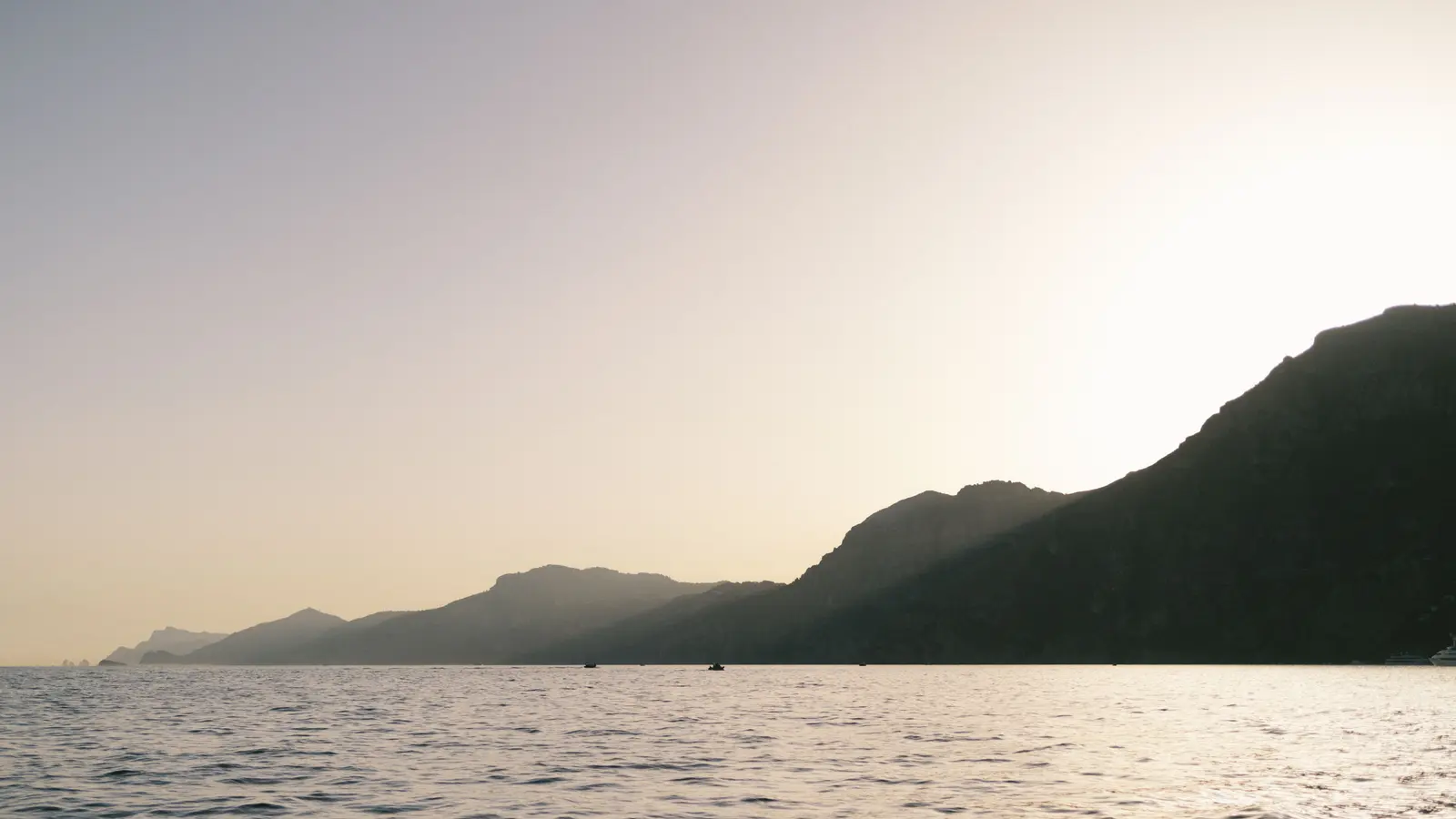
The Amalfi Coast is the default honeymoon image for a reason: cliffside towns in Positano and Ravello, sea-view terraces, and lemon groves dropping straight into the Tyrrhenian. It's dramatic, photogenic, and built for couples who want the quintessential Italian coastal fantasy without compromise. I've written separately about specific standout properties beyond the obvious Le Sirenuse alternatives in Positano, and you can browse the region in more depth on our Amalfi Coast destination page.
Tuscany: Countryside and Wine
Tuscany suits honeymooners who want a slower, more private version of romance: a wine estate with a pool overlooking vineyards, cooking classes, and day trips to hill towns like Montalcino or San Gimignano rather than crowded piazzas. It pairs beautifully with a city stop in Florence or Rome. See our Tuscany destination page for the regions within the region.
Lake Como: Understated Glamour
Lake Como is for couples who want polish without the Amalfi crowds: grand lakefront hotels, boat transfers between villages instead of cliffside roads, and a slightly cooler, more old-money atmosphere. It photographs just as well as the coast but moves at a calmer pace. More detail on where to stay and what to do is on our Lake Como destination page.
Puglia: Off-Radar and Understated
Puglia is Italy's least crowded luxury coastline: whitewashed towns like Ostuni, conical trulli houses, and restored masserie (fortified farmhouses) set among olive groves, with beach clubs that feel private even in August. It's the right pick for couples who have already done Rome and Florence, or who simply want fewer tourists and lower nightly rates for the same level of service.
Venice and the Dolomites: City and Mountain Contrast
This pairing gives you two completely different honeymoons in one trip: gondolas and canals in Venice, then alpine drama, via ferrata hikes, and mountain-lodge spas in the Dolomites a few hours north. Travel specialists frequently pair the two specifically because the contrast between lagoon and peaks reads as more memorable than either destination alone.8
What Are the Best Region Pairings for a Two-Stop Honeymoon?
If you're combining a city or history stop with a slower romantic base, these pairings are the ones I recommend most often, along with a rough split for a 12-day trip.
| Pairing | Best For | Suggested Split (12 Days) |
|---|---|---|
| Rome + Amalfi Coast | History plus classic coastal romance | 3-4 nights Rome, 7-8 nights Amalfi Coast |
| Venice + Lake Como | Canals plus lakeside glamour | 3-4 nights Venice, 7-8 nights Lake Como |
| Florence + Tuscany Countryside | Art city plus wine-estate slow living | 3 nights Florence, 8-9 nights Tuscany |
| Rome + Puglia | History plus off-radar, lower-cost luxury | 3-4 nights Rome, 7-8 nights Puglia |
| Venice + Dolomites | Lagoon plus alpine adventure | 4 nights Venice, 6-7 nights Dolomites |
What Should You Budget for a Luxury Italy Honeymoon?
Expect $800-$2,500 per night at flagship five-star and boutique hotels in peak season, with signature suites at the very top properties running well beyond that. Rates vary significantly by region and swing hard between shoulder season and July-August.
On the Amalfi Coast, entry-level doubles at marquee Positano properties like Le Sirenuse and Il San Pietro generally start around $850-$1,150 a night in peak season, with top suites reaching $4,000-$5,000-plus.2 On Lake Como, doubles at grand hotels like the Grand Hotel Tremezzo start near $1,000, while the newer, ultra-exclusive Passalacqua begins around $1,650, with premier suites at both properties climbing past $5,000 in high season.3 Tuscany's flagship wine estates, such as Rosewood Castiglion del Bosco and Borgo Santo Pietro, generally start around $950-$1,900 for standard rooms, with signature villa suites running $3,000 or more.45 Puglia is the value outlier of the group: even the most honeymoon-focused masserie properties tend to run notably lower than the other four regions, often $300-$900 a night at the luxury tier.
A realistic total for a 12-day, two-region luxury honeymoon (hotels, private transfers, a few splurge experiences, and dining) lands somewhere in the $15,000-$30,000 range for two people, though it can run higher if you're anchoring the whole trip at the very top properties on the coast or the lake.
When Is the Best Time for an Italy Honeymoon?
The best months for an Italy honeymoon are May, June, and September, with late April and early October as strong secondary options. These months bring warm, comfortable weather and meaningfully thinner crowds than peak summer.6
August is the month I steer honeymooners away from on the coast. It's the single most crowded and expensive month on the Amalfi Coast, with roughly half a million visitors passing through a stretch of towns whose year-round population is a fraction of that, plus the heaviest heat of the year.67 You'll pay peak rates for a noticeably less relaxed version of the same hotel room.
November through February is the other window I flag as risky for a coastal honeymoon specifically. Most Positano hotels close for the season sometime between November and Easter, ferries stop running along the coast, and November and January are the wettest months of the year, with roughly 15 rainy days each and the highest average rainfall.6 That off-season window can work beautifully for Rome, Florence, or a Tuscan wine estate, where more hotels stay open, but it is genuinely the wrong call for a Positano or Ravello-based honeymoon.
What Splurge Experiences Are Worth It on an Italy Honeymoon?
The experiences worth paying up for on an Italy honeymoon are the ones that would be logistically hard to arrange casually on your own: a private boat day, a multi-night wine estate stay, and a private after-hours museum or landmark tour.
A private boat charter along the Amalfi Coast or around Capri is, in my experience, the single most common "best day of the trip" moment couples report back after the fact. It gets you into coves and swimming spots a group tour never reaches, on your own schedule. I've covered the mechanics of booking one, what it costs, and how it compares to a shared tour separately in our guide to private boat charters.
Staying directly at a working wine estate in Tuscany, rather than a city hotel with day trips out, is the other splurge that consistently earns its cost. Waking up inside the vineyard rather than driving to it changes the whole rhythm of the stay, and most estate properties include private tastings or vineyard walks that aren't available to day visitors.
Private, after-hours access to major sites, most notably the Vatican Museums and Sistine Chapel before or after public hours, is worth it if history and art are part of why you chose Italy in the first place. Seeing the Sistine Chapel with a few dozen people instead of a few thousand is a genuinely different experience, and it's one of the few splurges that can't be replicated at any price once you're standing in the regular daytime line.
When Should You Book Your Italy Honeymoon Hotels?
Book flagship five-star hotels for June, July, or August travel at least 6-12 months in advance, and closer to 9-12 months if you want a specific room type, like a sea-view suite, at an iconic property. The most in-demand Positano hotels, including Le Sirenuse, Belmond Hotel Caruso, and Il San Pietro, routinely book out their best rooms 9-12 months ahead of peak season.9
Shoulder-season travel (May, late September, October) gives you more breathing room, but I still recommend booking 4-6 months out for the marquee properties on the coast or the lake. Tuscany and Puglia estates generally have a bit more flexibility since inventory is spread across more properties, but the standout individual hotels in each region still fill their best rooms early for summer weddings-adjacent honeymoon season.
FAQ
How many regions should we visit on an Italy honeymoon?
Two or three is the sweet spot for a 10-14 day trip. Visiting more than three regions usually means shorter stays and more transfer days, which cuts into actual vacation time rather than adding to the experience.
Is the Amalfi Coast or Lake Como better for a honeymoon?
Both work well; it comes down to atmosphere. The Amalfi Coast offers more dramatic cliffside scenery and a livelier social scene, while Lake Como offers a calmer, more understated version of luxury with easier boat-based transport between towns.
Do we need a rental car for an Italy honeymoon?
Generally no, and often it's a liability. Amalfi Coast roads are narrow and congested in peak season, Venice has no cars at all, and most honeymoon regions are well served by private drivers, trains, or hotel boat transfers that are more relaxing than self-driving.
What's the biggest mistake couples make planning an Italy honeymoon?
Overpacking the itinerary. Trying to see Rome, Florence, Venice, the Amalfi Coast, and Tuscany in 10 days leaves almost no time to actually enjoy any of them. Fewer bases with longer stays consistently produce better trips.
Should we splurge on hotels or on experiences?
Both matter, but experiences tend to create the lasting memories. A mid-tier luxury hotel paired with a private boat day or an after-hours Vatican tour often outperforms an ultra-luxury hotel with no standout experiences booked.
Is Puglia a good honeymoon destination compared to the Amalfi Coast?
Yes, particularly for couples who want a quieter, lower-cost alternative to the Amalfi Coast with a similar level of luxury hospitality. It has fewer marquee-name hotels and a less dramatic coastline, but significantly fewer crowds and generally lower nightly rates.
Every one of these regions works. What actually determines whether a trip feels seamless or exhausting is the pacing, the sequencing, and the small logistics around transfers and booking windows. That's the part of the planning I spend most of my time on with clients. If you'd like help building an itinerary around your specific honeymoon style and dates, take a look at our planning services or get in touch and we'll start mapping it out.
References
- Fora Travel — The Perfect 10-Day Italian Honeymoon Itinerary (2026). https://www.foratravel.com/guides/7F72B2/the-perfect-10-day-italian-honeymoon-itinerary-sarah-roof
- Tripadvisor — Le Sirenuse Hotel and Il San Pietro di Positano, updated 2026 prices. https://www.tripadvisor.com/Hotel_Review-g194863-d195499-Reviews-Le_Sirenuse_Hotel-Positano_Amalfi_Coast_Province_of_Salerno_Campania.html
- Passalacqua Lake Como — official rates, and Tripadvisor Grand Hotel Tremezzo, updated 2026 prices. https://www.passalacqua.it/en/rooms/
- Rosewood Castiglion del Bosco — official hotel and rooms information, Montalcino, Tuscany. https://www.rosewoodhotels.com/en/castiglion-del-bosco
- Borgo Santo Pietro — official rooms and suites pricing, Chiusdino, Tuscany. https://borgosantopietro.com/rooms-and-suites/
- Lonely Planet — A seasonal guide on when to visit Italy's Amalfi Coast (2026). https://www.lonelyplanet.com/articles/best-time-to-visit-amalfi-coast
- Responsible Travel — Best time to visit the Amalfi Coast. https://www.responsiblevacation.com/vacations/amalfi-coast/travel-guide/best-time-to-visit-the-amalfi-coast
- Scott Dunn — Romantic Venice & the Dolomites honeymoon itinerary. https://www.scottdunn.com/us/italy/tours/just-us-honeymoon-in-venice-and-the-dolomites
- Cerrato Limo — Amalfi Coast in Winter: What's Actually Open, December-March (2026), and hotel booking lead-time guidance from Amalfi Coast luxury hotel booking sources. https://cerratolimo.com/en/amalfi-coast-in-winter-december-march