
Italy rewards families who match destinations to ages rather than chasing a checklist: Rome for kids old enough to love gladiators and ruins, Tuscany or an agriturismo for younger children who need a pool and open space, and the Sorrento coast as an easy, mostly flat base for day trips. Slow the pace to one base per three or four nights, build each day around a single anchor activity, and let gelato do the negotiating. I've planned enough family trips to know that the itinerary that "should" work on paper and the one that works for a tired six-year-old are often two different plans.
What's the best way to structure an Italy itinerary with kids?
Fewer bases and shorter days beat an ambitious, city-a-night itinerary with kids in tow. I generally tell clients to plan three to four nights per base minimum, which cuts down on repacking, car seat installs, and the meltdown that follows an early train to a new hotel.
Within each base, build the day around one anchor activity, not three. A morning at the Colosseum is a full day once you add gelato breaks, bathroom stops, and the slow wander back for a pool break. Stacking the Colosseum, the Forum, and the Vatican into one day works for a solo traveler with a guidebook; it rarely works for a family with a seven-year-old.
Finally, treat gelato as currency — the most effective incentive for getting a tired child through one more piazza or a twenty-minute wait for a table. Budget two stops a day, mid-afternoon and after dinner, rather than letting kids graze on it constantly.
Which Italian destinations work best for which age group?
Toddlers do best with a slow-paced base with a pool, school-age kids thrive on hands-on history like Rome's ruins, and teenagers can handle almost any itinerary, including Venice's dense walking days.
| Age group | Best fit | Why |
|---|---|---|
| Toddlers (1–4) | Tuscany or Umbria agriturismo, Sorrento | Pool time, flat terrain, short car rides, flexible schedules |
| Young kids (5–8) | Rome, Lake Garda, Sorrento coast | Gladiators, castles, beaches, and boats hold attention |
| School-age (9–12) | Rome, Pompeii, Tuscany | Old enough for real history and cooking classes |
| Teens (13+) | Rome, Venice, Florence, Amalfi Coast | Can handle full walking days and denser itineraries |
Why does Rome work so well for school-age kids?
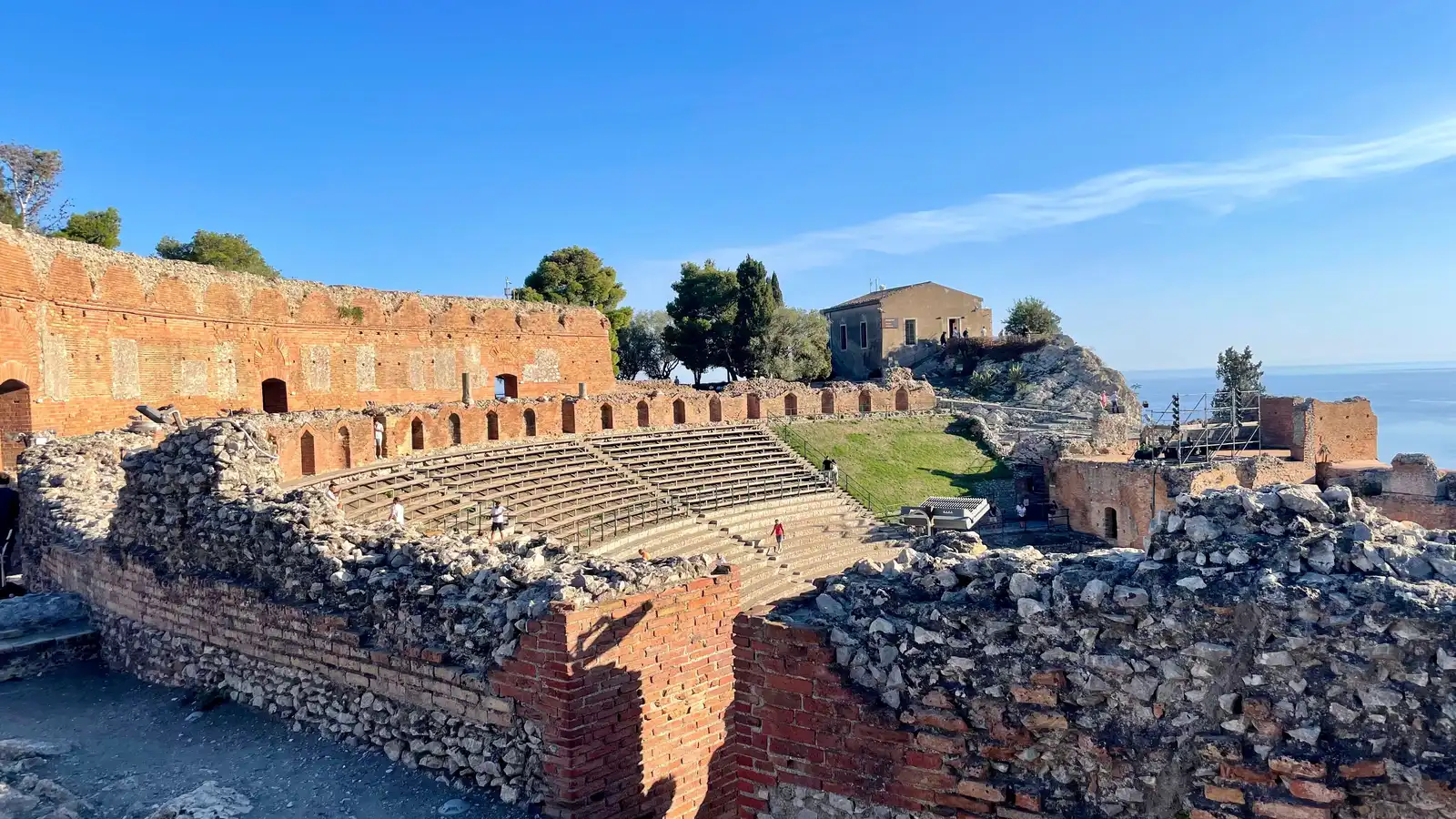
Rome turns ancient history into something kids can see and touch, which is why it's usually the strongest single destination for children roughly seven and up. The Colosseum isn't an abstract ruin to a nine-year-old who has just learned what gladiators did there — it's the floor they're standing on. Family-oriented tours built around the Colosseum, Forum, and Palatine Hill run 90 minutes to two hours and are designed for kids six and up, often framing the visit around one gladiator's story.1
Beyond the Colosseum: the Pantheon's oculus, the coin toss at the Trevi Fountain, and gladiator-school experiences where kids train before touring the amphitheater. For booking, see our guide on tour booking strategies for Italy's tickets and guides — skip-the-line entry matters even more with kids, since a 45-minute queue in August heat is where family trips go sideways. We build custom Rome itineraries around this kind of pacing through Italy Awaits Travel's planning services.
Is Tuscany good for a family with younger kids?
Tuscany works well for toddlers and young children because of the agriturismo model — a farm stay with a pool, open grounds, and a slower rhythm than a city hotel. Rather than three museum mornings, a Tuscan base usually means one easy outing (a hill town, a vineyard, gelato in Siena or San Gimignano) balanced against long pool afternoons — the trade-off that makes it forgiving for a family with a three-year-old who cannot do another cathedral.
Most family-oriented agriturismi in Chianti, Val d'Orcia, and the Maremma offer cots, high chairs, and toys, and many run half-board or full-board with dinner included, so you're not driving country roads after dark to find a restaurant.2 Pools generally have a shallow end, and some add a wading pool — worth confirming with the property, since it varies by farm. See our broader case for basing here in the Tuscany destination guide.
What about Lake Garda for families?
Lake Garda combines swimmable beaches, ferries kids love, and Gardaland — Italy's largest amusement park — all within the southern lake's flatter towns like Peschiera del Garda and Lazise. I've broken down the lake shore by shore, including which towns suit families best, in our complete Lake Garda guide.
Why is Sorrento a smart family base for the Amalfi Coast?
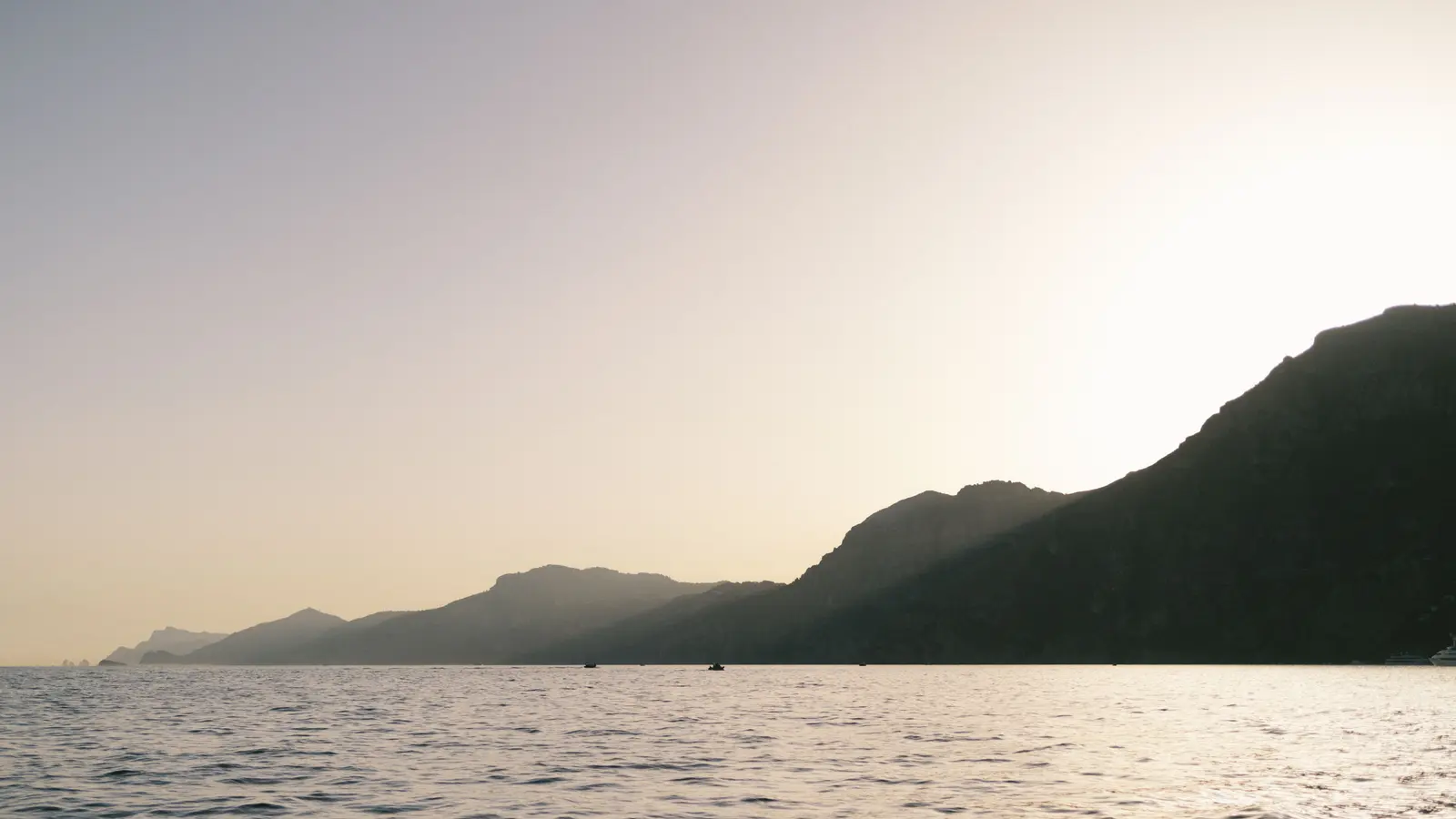
Sorrento sits on mostly level ground rather than the steep staircases that define Positano and much of the Amalfi Coast, making it far easier to navigate with a stroller or a tired toddler. It's also a real town, with a hospital, pharmacies, and groceries within walking distance, plus a sandy beach where younger kids can actually play.
From Sorrento, ferries and trains reach Positano, Amalfi, Capri, and Pompeii without requiring you to drive the coastal road yourself — worth noting given how the Amalfi Coast's hairpin turns affect passengers prone to carsickness. If that's a concern in your group, our post on coping with motion sickness while traveling is worth a read before booking a car transfer. Pompeii works especially well as a Sorrento day trip by train and tends to fascinate kids the way the Colosseum does — ash-preserved houses and bakeries make ancient life concrete.
Should young kids go to Venice, or is it better as a short stop?
Venice is best treated as a one- or two-night stop rather than a full base, because the bridges, lack of cars, and dense walking add up fast for anyone under about six. Every canal crossing means steps up and down, turning a stroller into luggage you're hauling rather than pushing.
The upside: children six and under ride the vaporetto (water bus) free, and one well-chosen day — a gondola ride, the Campanile, feeding pigeons in a quiet campo — genuinely delights most kids.3 I usually recommend Venice as the last stop on a Rome-Tuscany-Venice loop, timed for two nights, rather than the trip's anchor.
Agriturismo or apartment vs. hotel — what's actually better for families?
For most families, a self-catering apartment or an agriturismo beats a standard hotel room, since you get a real kitchen, separate sleeping space, and somewhere for kids to wind down without ending everyone's evening at 8 p.m. A single hotel room means the whole family goes dark when the youngest does; a two-bedroom suite lets parents eat a late dinner on a terrace while kids sleep next door.
Agriturismi add built-in activities — animals, gardens, sometimes a farm shop — plus a pool most small-town hotels don't have. The tradeoff is location: they sit outside town centers, so you'll want a rental car, whereas a city-center apartment keeps you walkable to everything. For Rome or Florence, a family-sized apartment usually wins; for Tuscany, Umbria, or a countryside week, the agriturismo does.
Will Italian restaurants actually welcome my kids?
Yes — Italian restaurants are genuinely kid-friendly as a rule, since children are treated as guests rather than a disruption. You won't find a dedicated kids' menu at most trattorias, but ordering a mezza porzione (half portion) of an adult dish is completely normal and something servers expect.4
Two practical points: high chairs are increasingly common but not guaranteed, so ask when you book, especially at smaller spots. And Italian dinner service typically doesn't start until 7:30 or 8 p.m., later than most kids' usual dinnertime — I generally suggest leaning on lunch as the bigger meal and keeping dinner lighter and later.
Do I need a car seat for a rental car or taxi in Italy?
Yes for rental cars, and it's more nuanced for taxis. Italian law requires children under 150 cm (about 4'11") and under 12 to use a car seat or booster, and rental companies are fully bound by this — reserve one in advance, since availability at the counter isn't guaranteed.5
Taxis and licensed private-hire vehicles (NCC) are legally exempt, and most don't carry seats unless requested at booking.5 If you rely on taxis or airport transfers with young kids, book ahead with a company offering a car seat, or bring your own portable one — never assume the taxi will have one.
Can kids ride Italian trains for free or at a discount?
Yes — both major operators build in real child discounts. On Trenitalia, children under 4 travel free when not occupying a paid seat, and kids from 4 up to 14 (national) or roughly 4 to 11 (regional, with exceptions) get 50% off the base fare.6 Italo's Family offer goes further: children and teens under 14 travel free while accompanying adults get 50% off, for bookings of two to four travelers made at least 15 days ahead.7 That's a strong case for building Rome-Tuscany-Venice or Rome-Naples-Sorrento legs around high-speed rail rather than a rental car for the whole trip.
Is a stroller practical in Rome, Florence, and other historic centers?
A stroller is usable in Italy's historic centers, but plan on it being a partial solution — cobblestones are the real obstacle, not narrow streets. Small, hard wheels struggle on cobblestone; larger, air-filled tires handle Rome and Florence's uneven surfaces far better.8
My practical advice: bring both a lightweight stroller and a soft-structured carrier, and expect to switch between them. Strollers work for covering ground and naps; a carrier is easier inside crowded museums and anywhere stairs are unavoidable. Avoid frame-style hiking carriers, which some museums restrict. Sorrento and Lake Garda's southern shore are noticeably easier on strollers than Rome, Florence, or Venice.
What's the best time of year for a family trip to Italy?
June and September are the best months for a family Italy trip, offering summer warmth without July and August's punishing heat. Rome averages around 25°C (77°F) in June and September versus roughly 28-30°C (82-87°F) in July and August, and the difference is more noticeable on the ground, with kids in strollers or walking through midday sightseeing, than the numbers alone suggest.9
July and August also coincide with Italian school holidays: fuller beaches, busier trains, and higher prices at exactly the same time as the worst heat. If your school calendar allows it, the second half of June or first half of September gives comparable weather, thinner crowds, and meaningfully lower rates on agriturismi and coastal hotels.
Bringing it together
The families who have the best trips to Italy accept doing less: one region deeply rather than three quickly, one museum morning rather than a marathon, a pool afternoon that isn't "wasted" time but the thing that makes tomorrow's sightseeing possible.
If you're mapping out a family trip and want help matching bases, pacing, and logistics to your kids' ages, Italy Awaits Travel's planning services build custom itineraries around exactly this kind of family logic. Get in touch and tell us your kids' ages and how many nights you have — we'll take it from there.
FAQ
How many days do you need for an Italy trip with kids?
Ten to fourteen days works well, covering two or three bases at three to four nights each. A week suits a single-region trip — Tuscany or Sorrento alone — but more than three bases in under ten days tends to wear kids out faster than it satisfies curiosity.
What age is best to first take kids to Italy?
There's no wrong age, but the trip changes shape. Toddlers do best with a slow, pool-based Tuscany or Sorrento stay; kids six to twelve get the most out of Rome's ruins; teenagers can handle denser cities like Venice and Florence.
Do Italian hotels and agriturismi provide cribs and high chairs?
Many do, but availability varies by property, so confirm and request one in advance rather than assuming. Family-oriented agriturismi in Tuscany and Umbria tend to stock cots, high chairs, and sometimes toys as standard.
Is it better to rent a car or use trains with kids in Italy?
It depends on your bases. Cities on high-speed rail — Rome, Florence, Venice, Naples — are easier and cheaper by train, with real child discounts built in. A rental car makes more sense in the Tuscan or Umbrian countryside, where public transit is thinner.
Are gladiator and kid-focused tours worth booking in Rome?
Yes, for kids roughly six and up. These tours are built to hold children's attention, usually run 90 minutes to two hours, and include skip-the-line access — which matters even more with kids, since a long queue in the heat is where a good day turns bad.
Should I worry about strikes or train delays when traveling with kids?
Worth building in buffer time, but it needn't dominate your planning. Italian train strikes are announced in advance, and guaranteed service bands protect key departure windows — something we build into every itinerary, family trips included.
References
- Colosseum family and kids tour operators (Viator, GetYourGuide, Context Travel) — tour structure, age recommendations (6+), and duration for gladiator-themed Colosseum and Roman Forum tours (2026).
- Agriturismo.it and Mama Loves Italy — "The best Tuscany agriturismo for families" (2026 edition) — typical family amenities, half-board/full-board options, and pool features at Tuscan farm stays. https://mamalovesitaly.com/tuscany-agriturismo-for-families/
- Full Suitcase — "Venice with Baby or Toddler: Experience-Based Tips for Your Visit" — vaporetto free-travel age, bridge/stroller challenges, and recommended length of stay. https://fullsuitcase.com/venice-family-traveling-toddler/
- Mama Loves Italy — "Eating out in Italy with kids: all you need to know" — high chair availability, mezza porzione ordering, and Italian dinner service timing. https://mamalovesitaly.com/eating-out-in-italy-with-kids/
- Taxi Bambino — "Car Seat Laws and Regulations in Italy: Taxis, Cars and Car Rentals for Children" — rental car car-seat requirements and the taxi/NCC exemption. https://www.taxibambino.com/single-post/car-seat-laws-and-regulations-in-italy-taxis-cars-and-car-rentals-for-children
- Trenitalia — "Children's Discount: reduced fares for young travellers on all Trenitalia trains" (2026). https://www.trenitalia.com/en/offers/children-s-discount.html
- Italo (NTV) — "Italo Family offer" — free travel for children/teens under 14 and 50% off for accompanying adults (2026). https://www.italotreno.com/en/train-offers/italo-family
- Mama Loves Rome — "Visiting Rome with a baby: all you need to know" — stroller wheel types and cobblestone navigation in Rome's historic center (2026 update). https://mamalovesrome.com/rome-with-a-baby/
- Climates to Travel — "Rome climate: seasons, when to go, monthly averages" — average June, July, August, and September temperatures for Rome. https://www.climatestotravel.com/climate/italy/rome