
In the hills northwest of Verona, where cherry orchards give way to meticulously tended vineyards, winemakers practice a form of alchemy unchanged since the Renaissance—transforming dried grapes into Amarone, one of the world's most powerful and sought-after red wines.
The Valley of Many Cellars
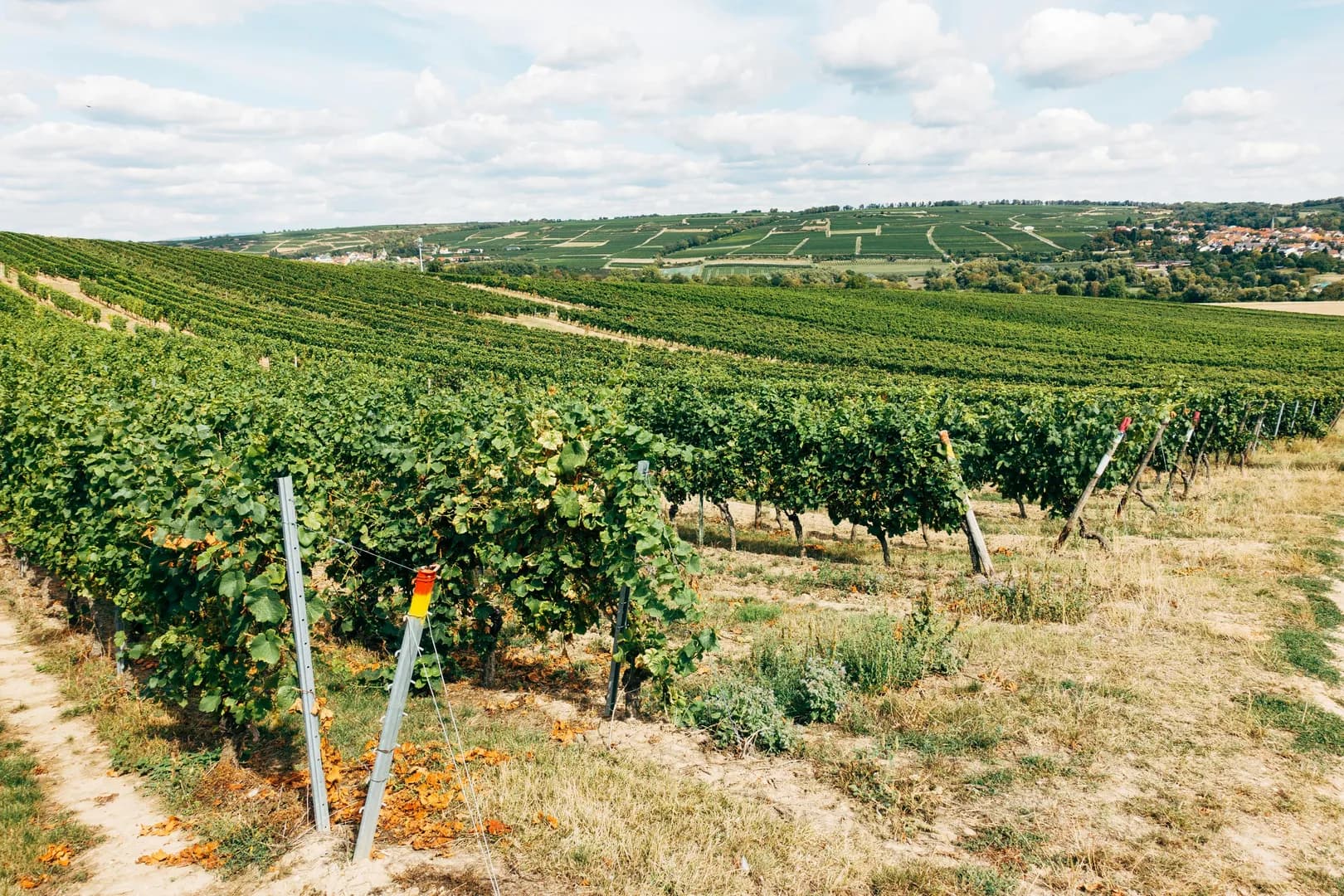
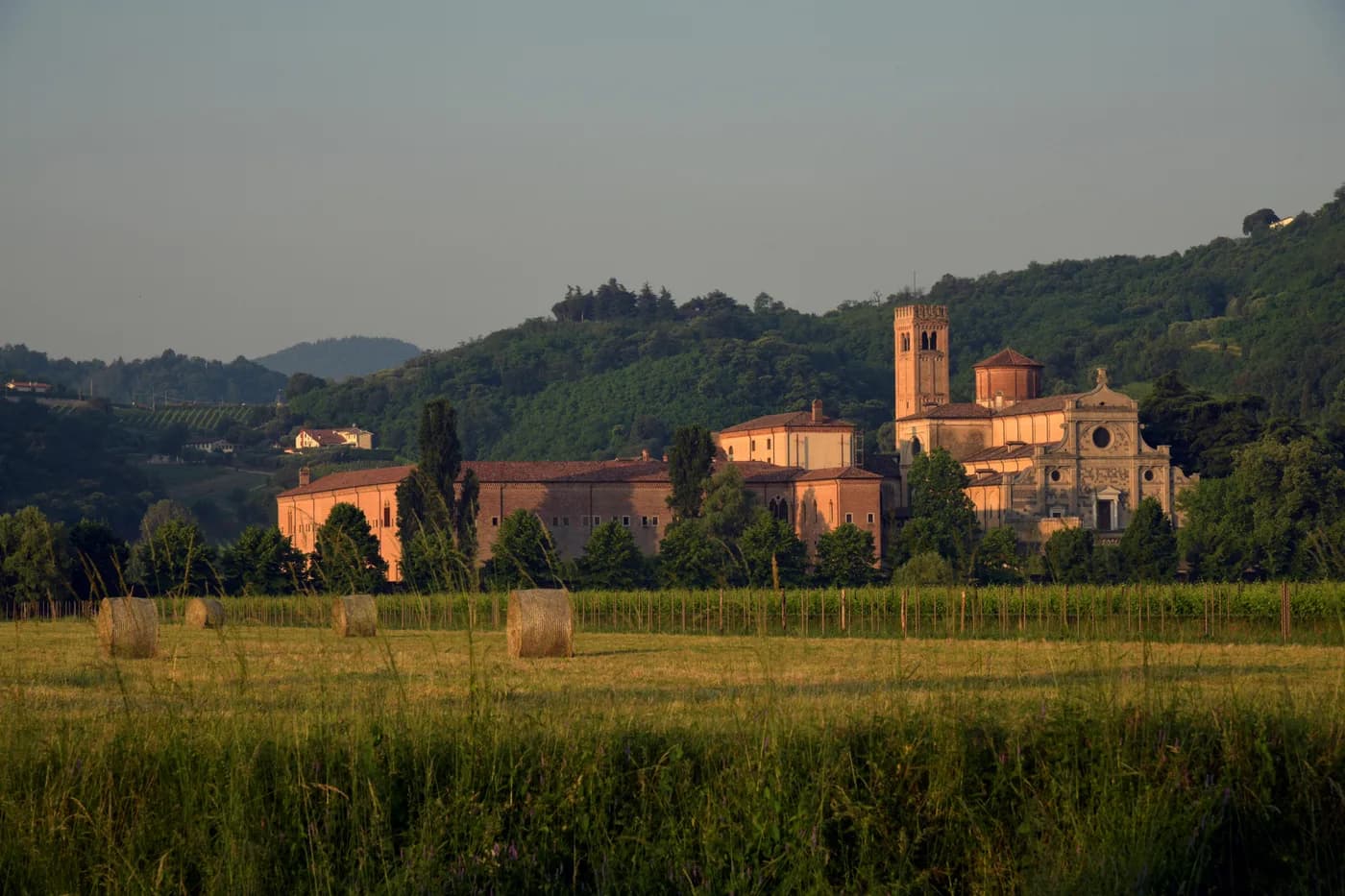
The name Valpolicella derives from the Latin "Vallis polis cellae"—the valley of many cellars—and two thousand years later, the description still fits.1 These terraced hillsides northwest of Verona, where Lake Garda's moderating influence meets the Lessini Mountains' cool elevations, have produced wine since at least Roman times. Today, over 2,200 growers tend approximately 8,400 hectares of vineyards, creating wines that range from light, everyday reds to the concentrated magnificence of Amarone della Valpolicella, arguably Italy's most prestigious non-Tuscan wine.2 It stands alongside other celebrated regions beyond Tuscany, from the wine regions of Lombardy, Puglia, and Umbria to the volcanic vineyards of southern Italy.
Valpolicella is not one valley but several, each contributing distinct characteristics to the region's wines. The three valleys of Valpolicella Classica—Fumane, Marano, and Negrar—produce the most prized grapes, their higher elevations and ancient soils creating conditions that centuries of experience have proven ideal. Beyond the Classica zone, the Valpolicella DOC extends east toward Soave and south toward Verona, encompassing terrain of varying distinction.
Understanding this geography matters because wine quality varies significantly across the appellation. The best Amarone comes from specific hillside vineyards within the Classica zone, where altitude, aspect, and soil combine to create concentrated, age-worthy wines. More commercial production uses grapes from flatter, warmer areas where yields run higher but complexity suffers.
The Wines of Valpolicella
Valpolicella: The Everyday Red
The region's entry-level wine—simply called Valpolicella or Valpolicella Classico—offers cherry-bright fruit, gentle tannins, and immediate drinkability. Made primarily from Corvina (45-95%) with Corvinone, Rondinella, and other permitted varieties, these wines typically see brief fermentation and minimal aging before release.3
At their best, Valpolicella wines deliver the classic bitter-cherry flavor that Italian wine lovers call "amarena," with refreshing acidity that makes them ideal partners for regional cuisine. At their worst—and there is much commercial-grade Valpolicella—they offer thin, simple drinking better avoided.
The designation "Superiore" indicates stricter quality controls: lower yields, higher minimum alcohol, and longer aging. These wines begin to show the depth that distinguishes Valpolicella from generic Italian reds.
Ripasso: The Bridge Between Worlds
Ripasso della Valpolicella occupies fascinating middle ground—more substantial than basic Valpolicella, more accessible than Amarone, produced through a technique that demonstrates Valpolicella's unique approach to winemaking.
The process involves re-passing (ripasso) fermented Valpolicella wine over the grape skins left from Amarone production.4 These semi-dried skins—still containing sugars, flavors, and tannins—kickstart a second fermentation that adds richness, complexity, and alcohol to the lighter wine. The result combines Valpolicella's freshness with some of Amarone's weight, creating wines of remarkable versatility.
Ripasso has become Valpolicella's commercial success story, offering consumers Amarone-like qualities at a fraction of the price. Quality varies significantly between producers—some craft serious, age-worthy wines while others use the technique to add superficial richness to undistinguished base wines. Seeking out respected producers is essential.
Amarone della Valpolicella: The King of Italian Reds
Amarone represents the ultimate expression of Valpolicella's winemaking tradition—a wine of extraordinary concentration, complexity, and longevity produced through the appassimento method that defines this region.
The process begins at harvest, when the best grape bunches are selected and laid on bamboo racks (graticci) or in wooden crates in specially designed drying rooms (fruttai). Over 100-120 days, the grapes lose 30-40% of their weight to evaporation, concentrating sugars, flavors, and aromatic compounds while undergoing transformations that create Amarone's distinctive character.5
The dried grapes ferment slowly through winter, their concentrated sugars eventually converting to alcohol levels of 15-17%. Unlike many powerful wines that taste of heat and alcohol, well-made Amarone achieves remarkable balance—the high alcohol integrated into layers of dried fruit, chocolate, leather, tobacco, and earthy complexity that develop further with bottle aging.
The name "Amarone" means "the great bitter," referring to the wine's dry character. This requires explanation: before the 1930s, the appassimento technique typically produced Recioto, a sweet wine where fermentation stops before all sugar converts. According to legend, a batch of Recioto was forgotten in barrel, the yeasts completing fermentation and producing a dry wine that winemakers initially considered a mistake. The "bitter" contrast to expected sweetness gave Amarone its name—though the wine is actually dry rather than bitter in any conventional sense.6
Recioto della Valpolicella: The Sweet Original
Before Amarone existed, Recioto della Valpolicella represented the pinnacle of local production—a sweet red wine made from the same appassimento process but with fermentation stopped while significant residual sugar remains.
The name derives from "recie" (dialect for ears), referring to the upper wings of grape clusters that receive more sunlight and develop higher sugar levels.7 Traditionally, only these ripest portions were selected for Recioto production—a practice that speaks to the care lavished on this wine for centuries.
Modern Recioto remains a specialty of the region, though Amarone has largely overtaken it in prestige and commercial importance. The sweet wine shines with chocolate desserts, aged cheeses, and contemplative after-dinner sipping. Finding quality examples outside the region can be challenging; visiting producers often maintain Recioto production alongside their Amarone programs.
The Valpolicella Classica Zone
Fumane Valley
The westernmost of the three classic valleys, Fumane presents gentle terrain that rises from the valley floor toward the Lessini Mountains. The valley's name derives from "fumus" (smoke), referring either to morning mists or to the fires once used to warn of invasions from the north.8
Vineyards here climb hillsides to approximately 400 meters, benefiting from cooling elevation while retaining the warmth that concentrated grapes require. Several prominent producers base operations in Fumane, including Allegrini, one of Valpolicella's most internationally recognized names.
The village of Fumane itself offers modest services—restaurants, a few accommodations, the essential enoteca—while surrounding hamlets preserve the agricultural character that makes Valpolicella distinctive. The Romanesque church of San Rocco and the medieval Villa della Torre provide historical interest beyond wine.
Marano Valley
The central valley, smaller and more enclosed than its neighbors, is often considered the heartland of quality Valpolicella production. The valley's steep terrain limits cultivation to hillside terraces, naturally restricting yields and concentrating quality.
Giuseppe Quintarelli, the legendary producer whose Amarone commands prices rivaling the finest Barolos and Brunellos, based his operation in Marano—a fact that has elevated the valley's reputation among serious collectors.9 Though Quintarelli died in 2012, his family continues production under his methods, maintaining the almost mystical status his wines achieved.
The village of Marano preserves remarkable medieval character, its narrow streets and stone houses largely unchanged for centuries. The church of Santa Maria, with origins in the 12th century, anchors a settlement that feels genuinely rural despite its proximity to Verona.
Negrar Valley
The easternmost and largest valley, Negrar, encompasses diverse terrain from flat valley floor to elevated hillside vineyards. The range of quality—from commercial production on lower slopes to prestigious crus on the heights—reflects this topographical diversity.
The village of Negrar serves as a practical base for exploration, offering the largest concentration of services, accommodations, and restaurants in the Classica zone. The Villa Rizzardi and its formal gardens, designed by Luigi Trezza in 1783, provide architectural interest beyond wine; the associated winery offers tastings in historically significant setting.10
Above the valley, hamlets like San Vito and Torbe maintain the traditional viticulture that defines the region—small plots worked by families whose ancestors farmed the same terraces, producing grapes for local cooperative cellars or selling to prestigious producers who blend multiple vineyard sources into their bottlings.
Visiting Valpolicella
Wine Tasting Experiences
The concentration of quality producers in a small area makes Valpolicella ideal for wine exploration. Visiting options range from grand estates with professional hospitality programs to family cellars where appointments may be informal and English limited.
Major producers with established visitor programs include:
- Allegrini (Fumane): Flagship estate offering tours of their striking modern winery and tastings of their full range
- Bertani (Grezzana): Historic producer with cellars dating to 1857; extensive tour includes ancient bottle archives
- Masi (Gargagnago): Innovative producer with an excellent visitor center and museum of local winemaking culture
- Tommasi (Pedemonte): Family-run estate with five generations of history and comprehensive hospitality program
- Zenato (Peschiera del Garda): Combines Valpolicella and Lugana production with lakeside location
Smaller producers often offer more personal experiences, though appointments are typically required and flexibility with timing helps. Producers worth seeking include:
- Tedeschi (Pedemonte): Family estate with 400 years of documented history
- Brigaldara (San Floriano): Hillside property with striking views and serious wines
- Speri (Pedemonte): Respected producer with organic certification
- Monte dall'Ora (San Pietro in Cariano): Biodynamic pioneer with unique approach
The Consorzio per la Tutela dei Vini Valpolicella operates a visitor center in San Pietro in Cariano that can assist with appointments and provide regional orientation.11
Beyond Wine: Villages and Villas
While wine motivates most visits, Valpolicella offers cultural substance beyond the cellar:
San Giorgio di Valpolicella: This tiny village, perched on a promontory with views across Lake Garda, preserves one of the region's finest Romanesque churches. The church of San Giorgio, with its 7th-century origins and Lombard sculptural fragments, rewards the winding drive required to reach it.
Sant'Ambrogio di Valpolicella: The marble that built Venice came largely from quarries here, and the industry continues today. The town museum documents this history; the surrounding landscape shows evidence of centuries of extraction.
Verona: The regional capital lies 20 kilometers from the heart of Valpolicella, offering Roman arena, medieval streets, Shakespearean associations, and urban amenities that complement rural wine country. Many visitors base themselves in Verona and explore Valpolicella on day trips. Verona anchors Italy's Veneto region, home to Venice, Lake Garda, and the Dolomites—read more in our guide to 5 perfect days in Italy's Veneto region.
Practical Considerations
Getting there: Verona serves as the obvious gateway, with international airport, high-speed rail connections (Milan 90 minutes, Venice 75 minutes), and car rental facilities. The Valpolicella zone begins approximately 15 kilometers northwest of the city center.
Transportation: A car is effectively essential for serious exploration. The winding roads, dispersed producers, and limited public transportation make independent driving the only practical option. Roads are generally good though narrow in places; signage for specific wineries varies in quality.
When to visit: Spring (April-May) brings vine growth and wildflowers; autumn (September-October) offers harvest atmosphere and ideal weather. Summer sees many Italians on vacation, potentially limiting winery availability; winter operations continue, with a more intimate atmosphere and no competition for appointments.
Accommodations: Options range from agriturismi (farm stays) within the wine zone to hotels in Verona and along Lake Garda's eastern shore. Staying within Valpolicella provides immersion and convenience for early/late tastings; Verona offers cultural variety and evening entertainment.
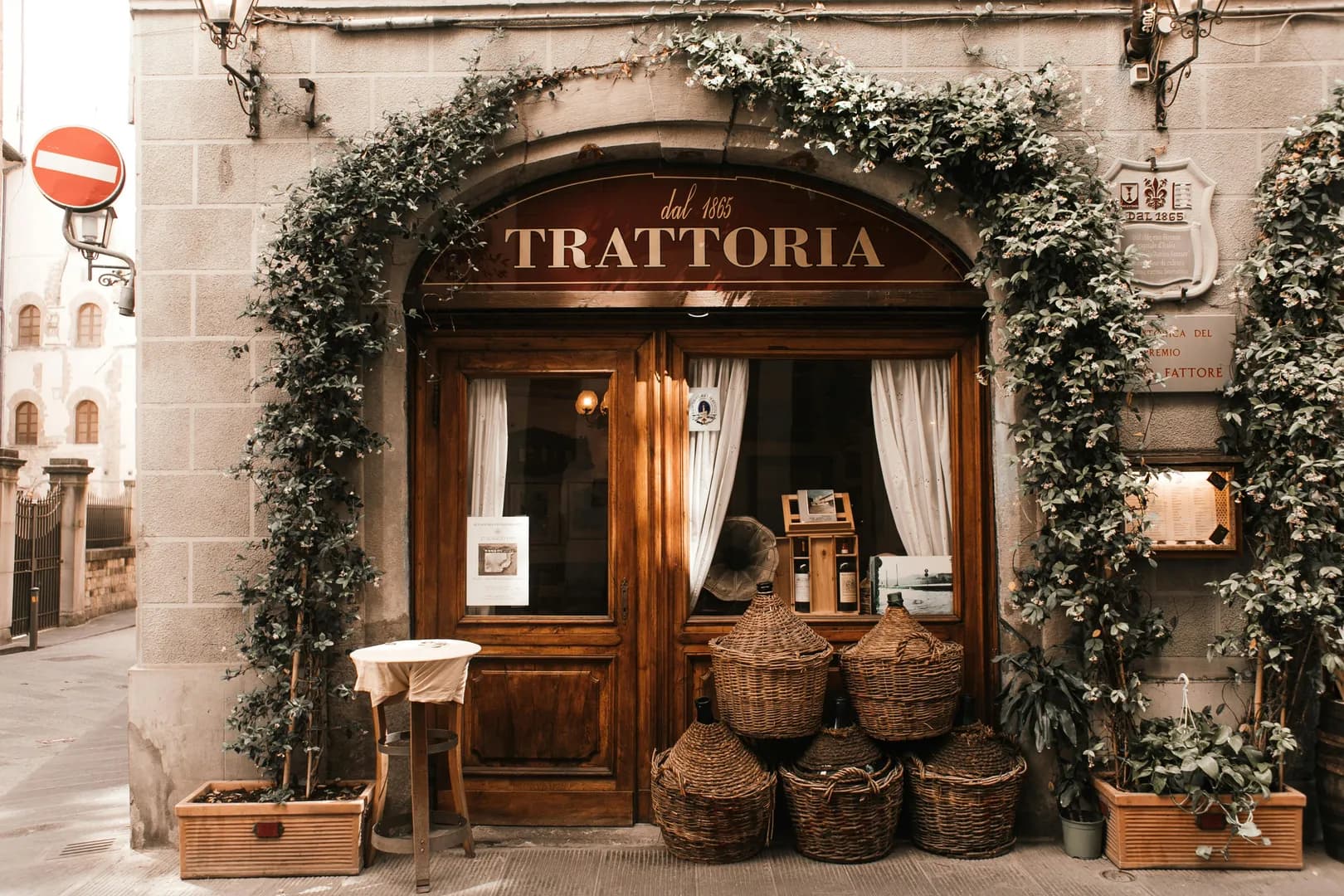
Meals: The regional cuisine pairs naturally with local wines—risotto all'Amarone (risotto finished with Amarone), brasato (braised beef), bollito misto (mixed boiled meats), local cheeses including Monte Veronese. Restaurants within the wine zone range from simple trattorias to refined destinations; Verona adds full range of urban dining.
Understanding Quality
Reading Labels
Valpolicella labeling can confuse newcomers. Key designations to understand:
- DOC vs. DOCG: Amarone, Recioto, and Valpolicella Superiore have achieved DOCG (Denominazione di Origine Controllata e Garantita) status, indicating higher quality standards than basic Valpolicella DOC.
- Classico: Wine from the original, historic production zone (the three valleys discussed above). Generally considered superior to non-Classico wines.
- Superiore: Wine meeting stricter standards including lower yields, higher alcohol, and longer aging.
- Riserva: Extended aging requirements (typically four years total for Amarone Riserva) indicating wines intended for longer cellaring.
The Question of Price
Amarone pricing ranges dramatically—from €25 for commercial bottles to several hundred euros for prestigious crus and exceptional vintages. Understanding this range requires recognizing what separates quality levels:
Entry-level Amarone (€25-50) typically uses grapes from the broader DOC zone, shorter drying periods, and larger production volumes. These wines offer Amarone character at accessible prices but may lack the complexity and aging potential of finer examples.
Mid-range Amarone (€50-100) from respected producers often represents the quality sweet spot—serious wines from good vineyards with proper production care, offering excellent drinking and reasonable cellaring potential.
Premium Amarone (€100+) comes from specific vineyard sites within the Classica zone, often with extended drying and aging, representing the finest expression of individual producers' capabilities. These wines reward years or decades of cellaring.
Collector-level Amarone from producers like Quintarelli, Dal Forno, and Bertani's historic wines commands prices that reflect rarity, reputation, and decades of demonstrated excellence.
For visitors, tasting across price levels at producer cellars provides education impossible to acquire through retail purchases alone. Understanding what distinguishes a €30 Amarone from a €150 example justifies the effort of visiting the region.
The Amarone Experience
Serving and Enjoying
Amarone's power requires thoughtful approach:
Temperature: Serve at 18-20°C—warmer than typical red wine recommendations. The wine's complexity unfolds at higher temperatures; serving too cold masks nuance beneath alcohol perception.
Glassware: Use large, wide-bowled glasses that allow the wine to breathe and concentrate aromas. Amarone benefits from decanting—at minimum an hour for young wines, longer for aged examples with sediment.
Timing: Amarone suits contemplative rather than casual drinking. Its intensity overwhelms simple foods; reserve it for substantial meals, cheese courses, or meditative solo appreciation.
Aging: Quality Amarone improves for 10-20+ years from vintage, with exceptional wines evolving for decades. Young Amarone shows primary fruit and power; aged examples develop tertiary complexity—leather, dried flowers, tar, coffee—that many consider the wine's highest expression.
Food Pairings
The wine's power and sweetness-suggesting concentration require robust culinary partners:
- Risotto all'Amarone: The classic regional pairing, where the wine becomes both ingredient and accompaniment
- Brasato: Beef braised slowly in Amarone, creating synergy between cooking medium and glass
- Aged cheeses: Parmigiano-Reggiano, aged Piave, Grana Padano—the salt and umami match Amarone's richness
- Game birds: Duck, pheasant, guinea fowl prepared with autumn mushrooms
- Dark chocolate: High-cacao chocolate echoes Amarone's bitter-sweet complexity
A Final Thought
Valpolicella succeeds by doing what this corner of Italy has always done: taking ordinary materials and transforming them through patience and technique into something extraordinary. The grapes themselves—Corvina, Corvinone, Rondinella—produce unremarkable wine when processed conventionally. The magic lies in appassimento, in the winter months when dried grapes slowly yield their concentrated essence, in the years of aging that integrate power into elegance.
This transformation mirrors the landscape itself: ordinary hills, not the drama of the Alps or the romance of Tuscany, yet shaped by centuries of cultivation into something quietly exceptional. The wine reflects the place; the place explains the wine. Visiting Valpolicella means understanding this relationship—between grape and soil, technique and terroir, tradition and the glass you hold.
Frequently Asked Questions
How many days should I spend in Valpolicella?
Two full days allow 4-6 winery visits plus village exploration and unhurried meals. A single day permits 2-3 tastings with necessarily limited cultural context. Wine enthusiasts might happily spend 3-4 days delving deeply into the region.
Do I need to book winery visits in advance?
Yes, for most quality producers. Large estates with formal visitor programs may accommodate walk-ins, but smaller producers require appointments—sometimes days or weeks ahead during busy seasons. Email communication usually works well; the Consorzio can assist with arrangements.
What's the difference between Amarone and Ripasso?
Both use appassimento-related techniques, but Amarone ferments from fully dried grapes while Ripasso involves re-fermenting finished wine on Amarone's leftover skins. Amarone is more concentrated, powerful, expensive, and age-worthy; Ripasso offers similar stylistic elements at lower intensity and price.
Is Valpolicella suitable for visitors who don't drink alcohol?
The landscape and villages offer interest beyond wine, but viticulture so completely defines the region that non-drinkers may find extended visits less rewarding. The Roman sites of Verona and the scenery of Lake Garda provide non-wine alternatives that complement brief Valpolicella exploration.
What's the best season to visit?
September-October combines harvest atmosphere, ideal weather, and full cellar activity. Spring (April-May) offers beautiful landscapes and fewer tourists but less winery bustle. Summer brings vacation closures and heat; winter provides intimate tastings but gray skies.
Can I visit Quintarelli?
The Quintarelli estate is famously private and does not offer regular visits. Their wines are allocated to long-standing customers and rarely available at the estate. Other historic producers (Bertani, Masi, Tedeschi) offer similar historical depth with more accessible hospitality.
References
- Paronetto, L. "The Etymology of Valpolicella." Verona Historical Studies, 1998.
- Consorzio per la Tutela dei Vini Valpolicella. "Annual Statistical Report 2023." San Pietro in Cariano, 2024.
- Italian Wine Central. "Valpolicella DOC Production Regulations." Ministry of Agriculture Documentation, 2021.
- Pastore, G. "The Ripasso Technique: History and Modern Practice." Italian Journal of Enology, 2019.
- Fedele, A. "Appassimento: The Science of Grape Drying." American Journal of Enology and Viticulture, 2017.
- Bolla, C. "The Accidental Birth of Amarone." Wine Spectator Historical Series, 2011.
- Zenato Estate. "Recioto della Valpolicella: Origins and Production." Technical Documentation, 2020.
- Comune di Fumane. "Local History: From Roman Times to Present." Municipal Archives, 2015.
- Kerin O'Keefe, K. "The Legacy of Giuseppe Quintarelli." Decanter Magazine, 2013.
- Guerrieri Rizzardi Estate. "Villa Rizzardi: Architecture and Gardens." Visitor Guide, 2022.
- Consorzio per la Tutela dei Vini Valpolicella. "Visitor Services and Regional Information." Official Website, 2024.