
Why planning ahead matters more than ever – and how to enjoy memorable meals without chasing every social media hotspot.
Introduction: Italy's Dining Scene Has Changed
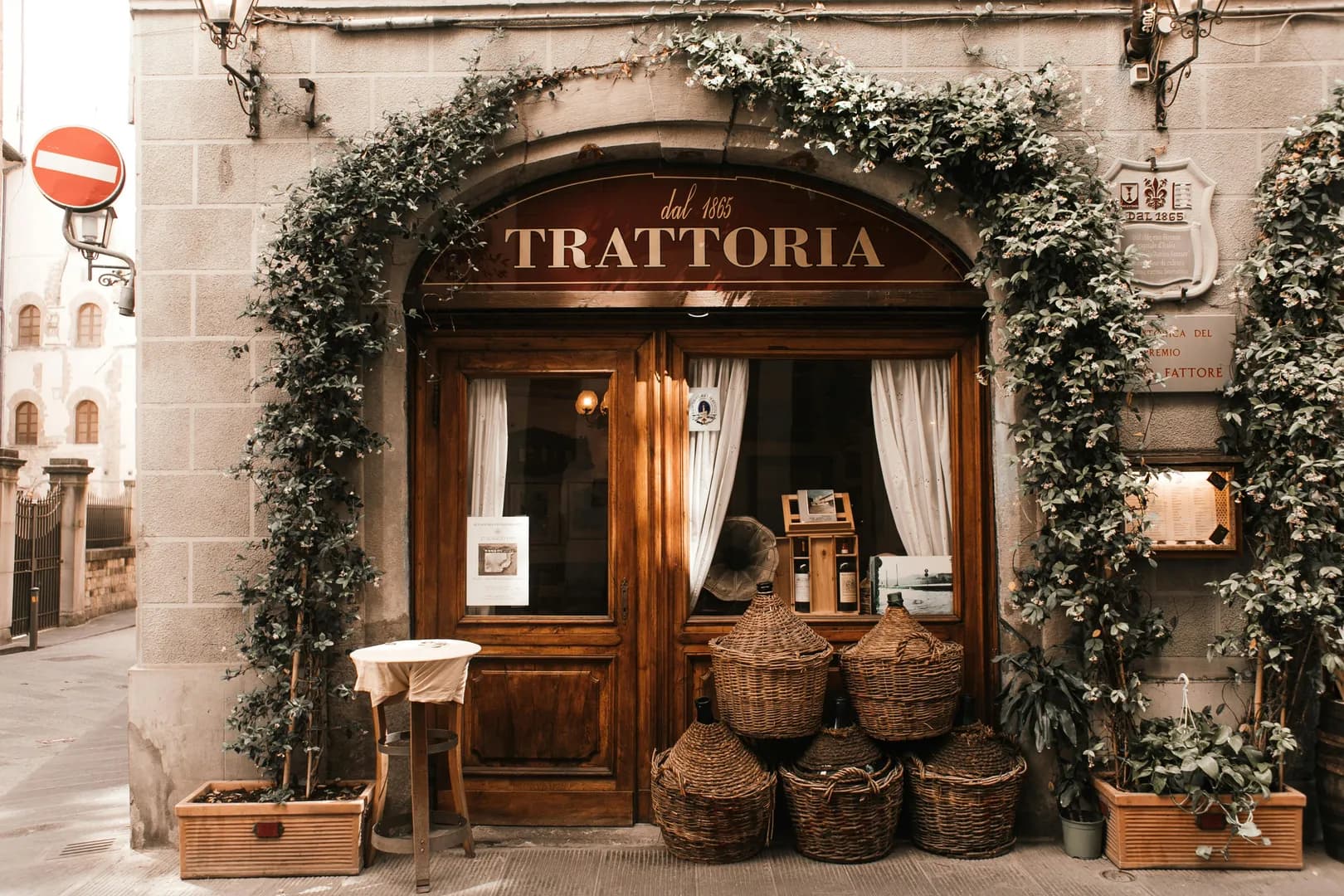
For many years, the stereotype of dining in Italy was simple: wander into a charming trattoria, sit down without a reservation, and enjoy an unhurried meal. In some smaller towns, that picture can still be true. But in major destinations such as Rome, Florence, Venice, the Amalfi Coast, and Cinque Terre, a combination of overtourism, social media visibility, and post-pandemic travel surges has transformed how restaurants operate.1,2
Italian and European tourism data show that visitor numbers to iconic cities and coastal areas have reached or exceeded pre-2019 levels, with particularly strong growth in international arrivals from North America and Asia after 2022.3,4 In parallel, a wave of viral posts, TV features, and influencer content has turned certain restaurants and cafés into global "must-visit" addresses. As a result:
- Popular places can book out weeks or months in advance in peak season.5
- Walk-ins are often turned away in central neighborhoods at prime times (especially in summer and on weekends).
- Travelers who do not plan ahead may find themselves settling for touristy spots with weaker food and higher prices.
At the same time, Italy's dining culture still follows its own rhythm: restaurants typically close one fixed day per week, often shut again in the mid afternoon, and may take seasonal breaks in August or winter.6,7 To eat well—and easily—you now need to understand both modern booking behavior and traditional Italian hours.
For guests of Italy Awaits Travel, this is a key part of trip design. A thoughtfully planned itinerary doesn't just line up museums and trains; it aligns restaurant reservations with sightseeing, local closing days, and the specific character of each neighborhood.
Overtourism and the Rise of the "Booked-Out" Restaurant
How Social Media Changed the Tables
In recent years, a small number of venues in Italy's major cities have gone viral on platforms such as Instagram and TikTok. Articles in international media describe how specific Rome trattorias, Florence sandwich shops, and Venice bacari have seen lines form down the street after being featured by influencers or on TV shows.5,8 Reservations at these places—if they accept them—can be extremely difficult to obtain in peak periods, and some smaller venues have simply stopped taking bookings altogether, operating on a first-come, first-served basis.
Research on European overtourism notes that this dynamic is particularly intense in historic centers where visitor density is high and restaurant capacity is limited.1,2,9 In Rome's centro storico, in Florence around the Duomo and Oltrarno, and in Venice near St. Mark's or the Rialto, the combination of:
- Limited space.
- Strong seasonality (spring–autumn, holidays).
- Social-media-driven trends.
means that a handful of addresses absorb a huge share of demand.
Why "Hidden Gems" Are Harder to Find by Accident
At the same time, rising commercial rents and staffing pressures have made it harder for small, family-run places to survive purely on local trade. Many have embraced reservations systems, online booking platforms, or hotel partnerships; others have shifted toward a more formal model with defined seatings and limited walk-in space.10
This doesn't mean there are no "hidden gems" left—there are many—but it does mean you are less likely to simply stumble upon them at 8:00 p.m. on a Saturday in July. Instead, you often need:
- Some research or local advice.
- A reservation made earlier in the day or before your trip.
- A willingness to dine slightly earlier or later than peak hours.
For travelers who arrive expecting to wander until something "appears," this can come as a surprise—it's one of several assumptions that trips up newcomers, covered in our roundup of first-time Italy mistakes. For those who understand the new reality, however, it becomes an opportunity to curate a set of meals that are memorable, varied, and aligned with each day's plans.
Weekly Closing Days and Seasonal Schedules
One Fixed Closing Day per Week
One of the most important practical details about dining in Italy is that restaurants typically close one fixed day per week. The traditional day off varies by city and neighborhood:
- Some trattorias in Rome close on Monday after a busy weekend; others choose Tuesday or another weekday.
- In smaller towns or coastal villages, it is common for many restaurants to coordinate around a shared "rest day," leaving very few options open on that day.6,7
Italian dining guides and regional tourism boards consistently remind visitors to check weekly closing days when planning meals, especially if there is a particular restaurant you don't want to miss.6,7,11 Many travelers, unaware of this pattern, simply assume that big-city restaurants will be open seven days a week like they often are in North America or the UK—and are disappointed to discover their chosen place is shut.
Seasonal Closures
In addition to weekly rest days, many restaurants also take:
- Extended holidays in August, especially outside major tourist hotspots.
- Short breaks in January or February, after the Christmas–New Year period and before spring tourism picks up.
In coastal areas and on islands, some restaurants open only seasonally, focusing on late spring through early autumn and closing in winter.12 Visiting the Amalfi Coast in November, for example, can mean that many well-known restaurants in Positano or Capri are already closed for the season, even though towns like Salerno or Sorrento still have plenty of open options.
Split Shifts and Meal Times
Italian restaurants typically follow a split shift schedule:
- Lunch service roughly from 12:30 to 14:30 (sometimes slightly later in busy tourist zones).
- Dinner service from about 19:30 or 20:00 to 22:30 or 23:00.6,7
Many full-service restaurants close entirely between lunch and dinner. Pizza-by-the-slice shops, bakeries, and gelato shops help fill the gap, but you should not expect to sit down at a trattoria at 16:30 for a full meal. For travelers arriving from other time zones or cultures, aligning with this rhythm takes a little planning but soon starts to feel natural.
Why You Should Book Restaurant Reservations in Advance
High Season Means High Demand
Peak travel months in Italy—generally May through October, with particular spikes in June, July, and September—are also peak restaurant months. Tourism statistics show Italy welcoming tens of millions of foreign visitors annually, with strong growth in city-break tourism, cruise traffic, and summer coastal stays.3,4,9 This puts pressure on dining rooms, especially in compact historic centers.
In Rome's Trastevere, Florence's centro, Venice's San Polo and Dorsoduro, and Amalfi Coast towns, it is now common for better-regarded restaurants to:
- Require reservations during busy months, especially for prime dinner times and weeknights/weekends.
- Offer only a limited number of walk-in tables that fill soon after opening.
- Use online booking platforms that show no availability for days or weeks at a time at peak periods.5,10
For travelers who enjoy food, the simplest solution is to treat key meals like museum tickets: reserve in advance, especially in high season, on weekends, or around holidays.
How Far Ahead to Book
How far in advance you should book depends on the restaurant's profile (and it's worth reading alongside our broader guide to how far in advance you should book your Italy trip):
- Iconic, highly publicized places (for example, certain Rome or Amalfi Coast restaurants that appear repeatedly in international media) can fill several weeks or more ahead in peak months.
- Well-regarded but not world-famous trattorias often accept bookings a few weeks ahead; reserving 7–10 days in advance is usually sufficient in high season.
- Local neighborhood spots may happily take reservations the day before or same day, though weekends still benefit from advance planning.
In truly last-minute scenarios, having a hotel concierge or local contact call can sometimes open options that do not appear online. Many Italian restaurants still prioritize phone reservations or email over third-party booking platforms, especially in smaller towns.
Social Media Hotspots vs. "Off-the-Beaten-Path" Dining
The Problem with Only Chasing Viral Places
While it can be fun to visit a café or restaurant you have seen online, building your entire dining plan around these venues can backfire:
- They are often crowded and sometimes rushed.
- Prices may be higher than elsewhere, reflecting demand and central locations rather than necessarily higher quality.
- The experience can feel more like "checking a box" than discovering a personal favorite.
Food writers and local commentators have noted how viral fame can strain kitchens, staff, and neighborhoods, sometimes leading to simplified menus or a shift toward fast turnover rather than long, slow meals traditionally associated with Italian dining.5,8,13
How to Find Excellent Non-Viral Restaurants
Fortunately, many of the best meals in Italy happen in places you have never heard of before your trip. To identify these:
- Look for short, seasonal menus that change frequently, rather than very long, laminated menus in multiple languages.
- Ask trusted local sources: hotel concierges, guides, or friends who live in Italy are often your best bet.
- Use guidebooks or review sources that emphasize local favorites rather than only top-ranked tourist spots.
- Consider neighborhoods slightly outside the absolute center—Prati instead of only Trastevere in Rome, Sant'Ambrogio or San Niccolò as well as the Duomo area in Florence, Cannaregio in Venice, etc.10,13
For guests of Italy Awaits Travel, we often build a mix: one or two "bucket list" venues balanced by smaller, more personal places that match your tastes (traditional, contemporary, seafood-focused, vegetarian friendly, and so on).
How to Book: Practical Tools and Tactics
Online Platforms vs. Direct Contact
In major Italian cities, it is increasingly common to find restaurants listed on:
- Online booking platforms (for example, systems integrated via TheFork, Quandoo, and others).
- Google Maps with a "Reserve a table" link.
- Hotel concierge systems or curated lists.
However, many excellent restaurants still prefer:
- Phone reservations during certain hours (often around opening time).
- Email reservations with confirmation sent manually.
If a restaurant's website says to call or email, following those instructions usually produces better results than relying on third-party apps. Staff often appreciate respectful, clear communication and will be frank about availability.
Language Tips
In most tourist areas, staff are used to English, but a few Italian phrases can help:
- Vorrei prenotare un tavolo per due persone, per favore. (I would like to book a table for two, please.)
- Per le otto di sera. (For eight in the evening.)
- Il mio nome è … (My name is …)
Including your name, date, time, number of people, and a phone or email contact is usually sufficient. If you have dietary restrictions (for example, celiac disease), mentioning them politely in advance can help the restaurant advise you properly.
Dining Well Without Every Meal Being Scheduled
While reservations are increasingly important, not every meal needs to be booked weeks ahead. A balanced approach often works best:
- Reserve key dinners and a few special lunches (for example, one Michelin-starred meal, one highly recommended trattoria per city, and one panoramic or seaside spot on the Amalfi Coast).
- Leave some lunches open for spontaneous finds: cafés near markets, bakeries, enotecas, and simple osterie.
- Use your first day in a new city to scout the streets near your hotel and note down a few appealing options for the following days.
This blend gives you the security of having anchor meals while still keeping space for serendipity. In shoulder seasons (March–April and late October–November, excluding major holidays), it also allows you to adjust based on weather and how energetic you feel each day.
How Italy Awaits Travel Helps You Navigate Reservations
For many travelers, sorting through thousands of online reviews, booking platforms, and social media posts is exhausting. It is easy to feel that you must eat at the same five restaurants everyone else is posting about—or risk "missing out."
At Italy Awaits Travel, our approach is different. We:
- Start by asking about your preferences: rustic vs contemporary, seafood vs land-based, wine focus, dietary needs, budget, and how formal you like to dine.
- Suggest a shortlist of restaurants in each city that combine authenticity with good hospitality, often including lesser-known spots that align with your style.
- Check opening days, seasonal schedules, and local holidays to ensure that your chosen places are actually open on your dates.
- Help secure reservations, planning them around your museum entries, walking tours, and travel days so that logistics feel natural rather than rushed.
- Build in "flex days" where you can choose among a few suggested options depending on how you feel, instead of locking every single meal weeks in advance.
The goal is not to eat where everyone else eats; it is to eat in places where you feel welcomed, relaxed, and connected to the local culture—whether that means a simple plate of cacio e pepe in a neighborhood trattoria, a seafood lunch overlooking the Tyrrhenian Sea, or a long, slow dinner under a pergola in Tuscany.
If you are dreaming about Italy's food but worried about "getting shut out" of good restaurants, contact Italy Awaits Travel. We will help you navigate reservations, closing days, and crowds so that your dining experiences feel like a highlight of the journey, not a logistical headache.
Frequently Asked Questions
Do I need reservations for restaurants in Italy?
In major tourist cities like Rome, Florence, and Venice, reservations are increasingly necessary, especially during peak season from May through October. Popular trattorias can book out days or weeks in advance, particularly for weekend dinners.
How far in advance should I book restaurants in Italy?
For highly publicized restaurants, book several weeks ahead in peak season. Well-regarded local trattorias typically need 7 to 10 days advance notice. Neighborhood spots often accept same-day or next-day reservations, though weekends still benefit from planning ahead.
Why are some Italian restaurants closed on certain days?
Italian restaurants traditionally close one fixed day per week for staff rest. The day varies by establishment. Many restaurants also close for extended periods in August and sometimes in January or February. Always check opening days before planning key meals.
What are typical restaurant hours in Italy?
Italian restaurants follow split shifts. Lunch is served roughly from 12:30 to 14:30, then restaurants close until dinner service begins around 19:30 or 20:00. You generally cannot get a full sit-down meal at 16:00 in a traditional trattoria.
How do I avoid only eating at tourist trap restaurants?
Look for short seasonal menus rather than long laminated ones in multiple languages. Ask hotel concierges or local guides for recommendations. Consider neighborhoods slightly outside the absolute center, and book a mix of well-known spots and lesser-known local favorites.
References
- European and Italian overtourism studies describing pressure on historic centers (including Venice, Florence, and Rome) from high visitor numbers and the resulting strain on local services such as restaurants.
- Policy and academic analyses of Venice and other Italian destinations highlighting crowding, seasonality, and the shift toward tourism-focused businesses.
- UN World Tourism Organization data and Italian tourism reports noting the recovery and growth of international arrivals to Italy after 2022, with strong demand for cities and coastal regions.
- Eurostat and national statistical releases showing increased overnight stays in Italian tourist regions compared with pre-2019 baselines.
- International travel media coverage of specific Italian restaurants that went viral on social media, describing long lines, limited capacity, and booking challenges.
- Italian dining guides and regional tourism websites explaining typical restaurant hours, split shifts, and the practice of closing one day per week.
- Food-focused guidebooks for Italy discussing weekly rest days, August and winter closures, and seasonal operations in coastal towns.
- Articles on the impact of Instagram and TikTok on restaurant demand in major European cities, including Italian examples.
- Research on city-break tourism and day-trip pressure in major European cities, with Italy frequently cited as a key case.
- Restaurant technology and hospitality-industry reports on the expansion of online booking platforms, dynamic pricing, and reservation policies in European tourist destinations.
- Official city tourism websites (Rome, Florence, Venice) warning visitors to book popular restaurants and museums well in advance in peak season.
- Coastal and island tourism boards for regions such as Campania and Sicily describing seasonal opening patterns for restaurants and hotels.
- Local Italian commentary in newspapers and magazines discussing how viral fame affects neighborhood life, prices, and restaurant operations in central districts.