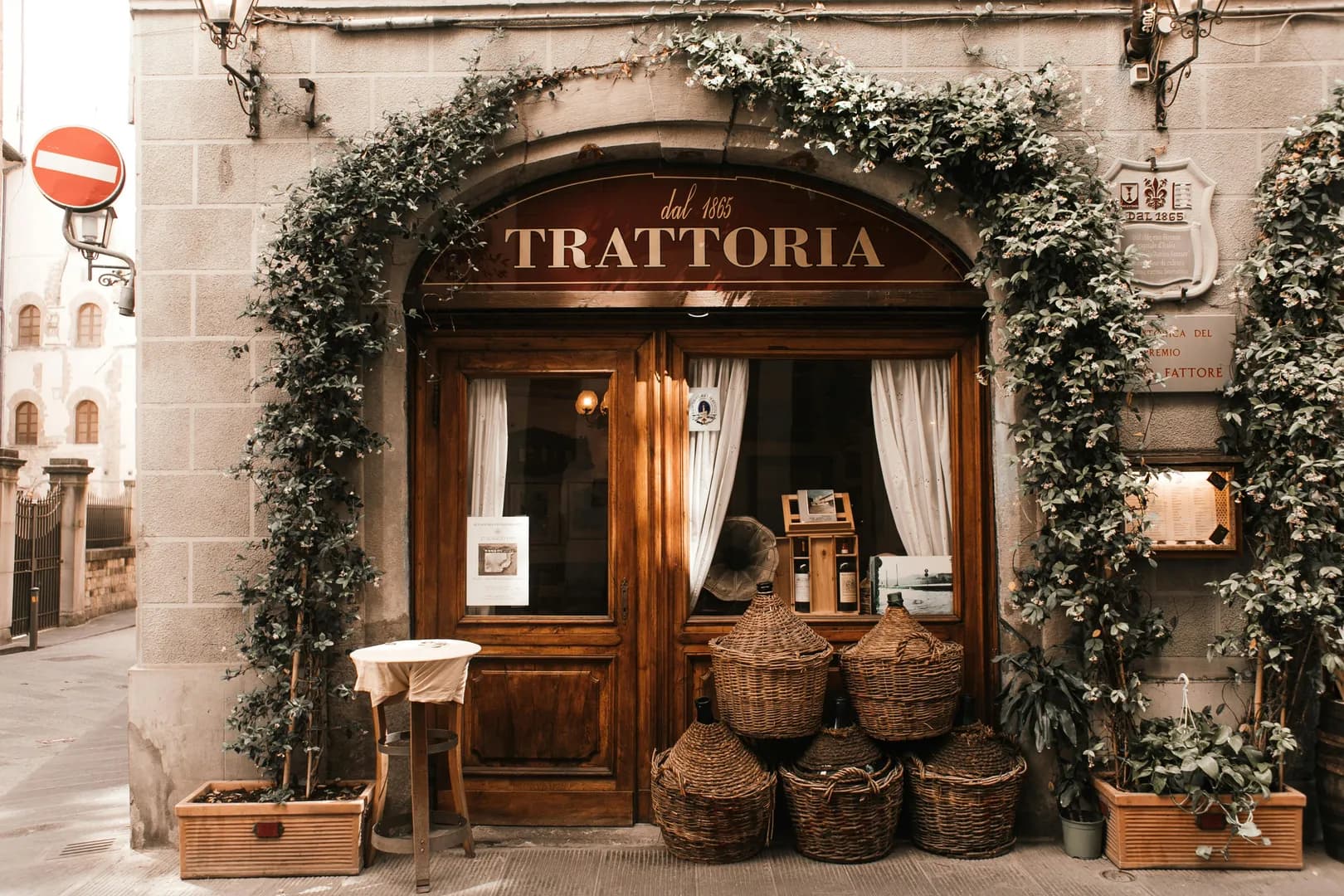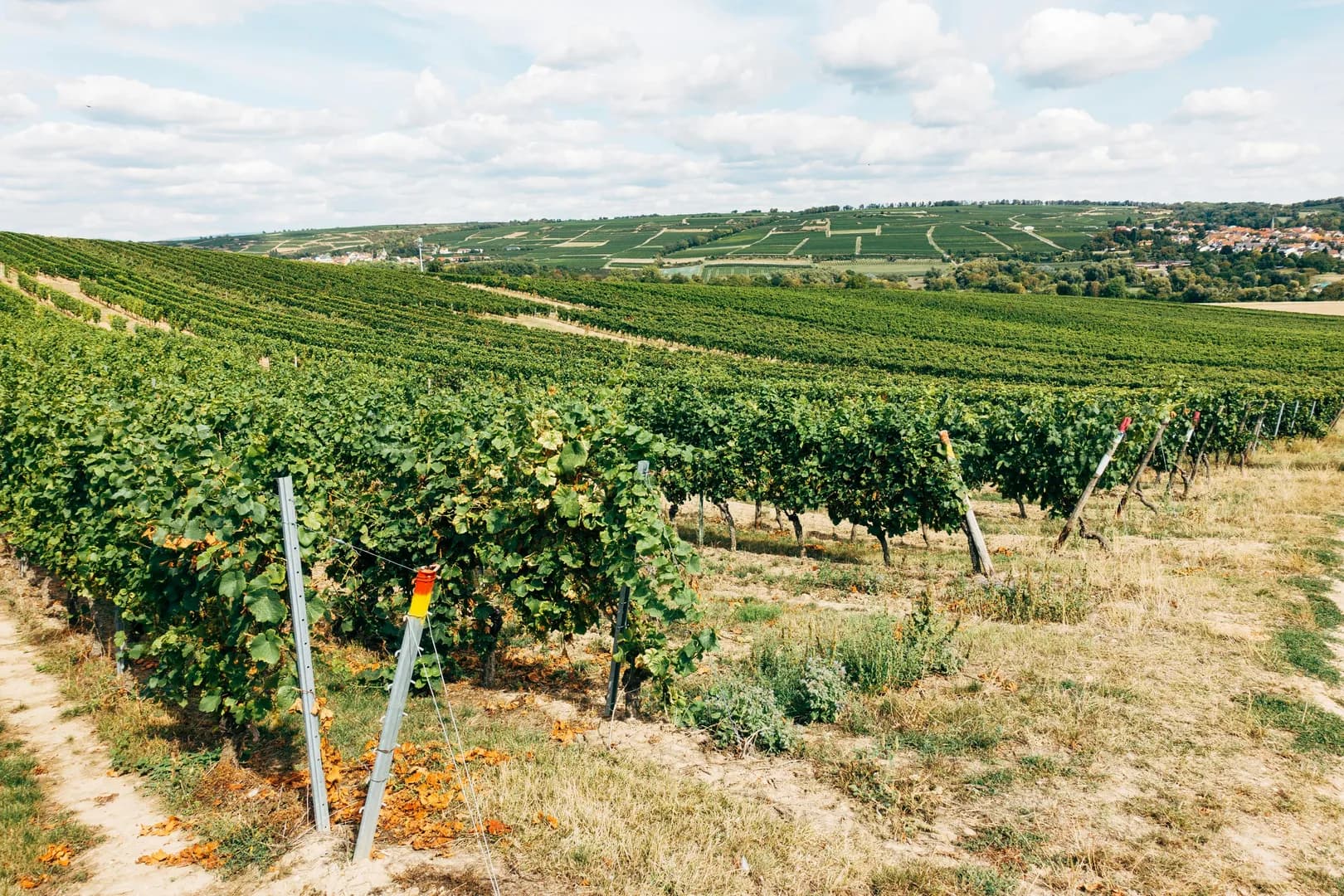

While Tuscany often dominates the global image of Italian wine, the south of Italy tells a deeper, older, and often more affordable story shaped by volcanoes, ancient trade routes, and intense Mediterranean sun.
Why Southern Italian Wine Deserves More Attention
When most travelers think about Italian wine, names like Chianti, Brunello di Montalcino, Barolo, and Amarone from the Valpolicella hills near Verona immediately come to mind. These iconic labels, primarily from central and northern Italy, have long dominated international wine lists and export markets. Yet Italy is not one unified wine culture. It is a mosaic of regional traditions, microclimates, grape varieties, and soils – and nowhere is that diversity more dramatic than in the south.
Southern Italy includes regions such as Campania, Puglia, Basilicata, Calabria, and Sicily. Together, these areas account for a significant share of Italy's total wine production by volume, yet they remain underrepresented in many international conversations compared to Tuscany or Piedmont.1 For travelers, this creates a unique opportunity: remarkable wines, distinctive terroirs, and often better value for money.
For guests of Italy Awaits Travel, southern Italian wine regions add depth to itineraries that already include famous destinations like Rome, Naples, the Amalfi Coast, and Sicily. For a broader survey of lesser-known regions further north, see our guide to 5 Italian wine regions not named Tuscany. These wines are not an add-on; they are part of the cultural fabric of the south.
The Importance of Volcanic Soil in the South
One of the defining features of southern Italy's wine identity is volcanic terroir. Few wine regions in the world are shaped so directly by active and dormant volcanoes. The influence of Mount Vesuvius near Naples, Mount Etna in eastern Sicily, and ancient volcanic systems throughout Campania creates soils that are radically different from those in Tuscany or Piedmont.2
Volcanic soils are typically rich in minerals such as iron, potassium, and magnesium. They tend to be well-drained, forcing vines to grow deep roots in search of water and nutrients. This struggle often results in grapes with:
- High concentration of flavor.
- Pronounced acidity.
- Distinctive mineral undertones.
These traits are especially visible in wines from Etna, Vesuvio, and parts of Campania, where lava flows, ash deposits, and ancient eruptions have layered the landscape over thousands of years.
Campania: Ancient Grapes in the Shadow of Vesuvius
A Wine Region Older Than Rome
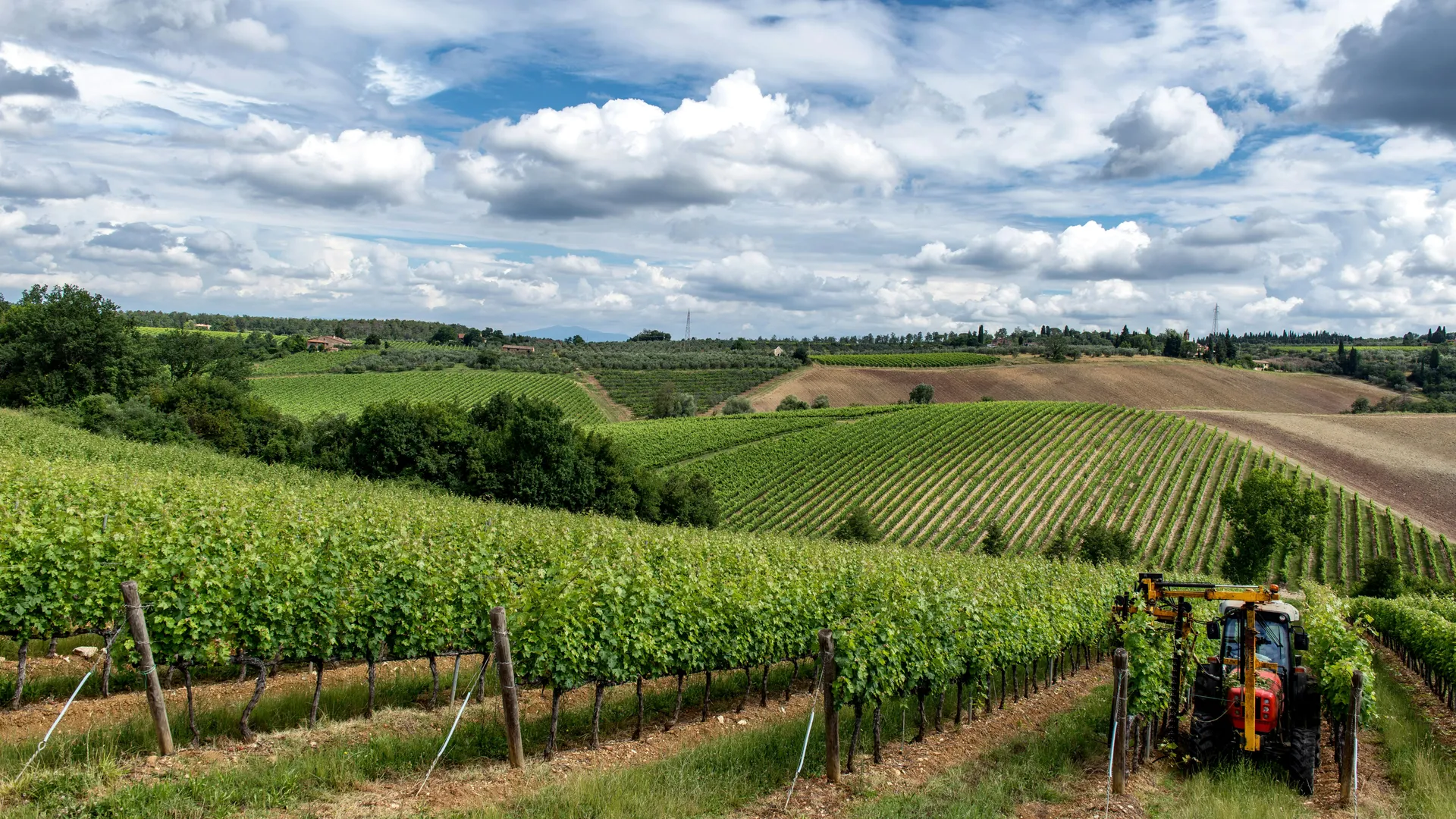
Campania, centered around Naples, is one of Italy's most historically important wine regions. The ancient Greeks, who settled parts of southern Italy more than 2,500 years ago, referred to the area as Oenotria, "the land of wine." Some grape varieties cultivated here today are genetically linked to vines grown in antiquity.
Key Grape Varieties
Campania is best known for three noble native grapes:
- Aglianico: Produces structured, age-worthy red wines often compared to Barolo for their tannic backbone.
- Fiano: A white grape capable of producing complex, aromatic, and long-lived wines.
- Greco: Another white grape known for its intensity, firm acidity, and mineral character.
Taurasi: The Powerhouse of the South
Taurasi, made primarily from Aglianico, is Campania's most famous red wine. Often described as the "Barolo of the South," Taurasi delivers dark fruit, spice, leather, and earthy minerality, supported by high tannins and acidity. These wines can age for decades.3
What surprises many travelers is price. While top Barolos and Brunellos can easily reach several hundred dollars per bottle, excellent Taurasi wines often remain accessible at a fraction of the cost, particularly when purchased locally.6
Wines from the Slopes of Vesuvius
Wines grown on the volcanic slopes of Mount Vesuvius possess an unmistakable smoky-mineral signature. Produced from grapes like Piedirosso and Falanghina, these wines reflect both geographic drama and agricultural resilience in an area still shaped by the most famous volcano in Europe.
Puglia: Italy's Sun-Drenched Wine Basket
From Bulk Production to Quality Renaissance
Puglia, the region that forms the heel of Italy's boot, was long known as a bulk-wine producer, sending enormous quantities of deeply colored, high-alcohol wine north to strengthen lighter blends. Over the past two decades, however, Puglia has undergone a quiet transformation. Many producers have shifted their focus from volume to quality, elevating native grapes into expressive, standalone wines.4
Primitivo and Negroamaro
The two most prominent red grapes in Puglia are:
- Primitivo: Known internationally through its genetic link to California Zinfandel. Produces rich, ripe, blackberry-driven wines with high alcohol and soft tannins.
- Negroamaro: Dark, savory, and structured, often showing notes of black cherry, herbs, and spice.
These wines typically offer bold flavor at exceptional value. In local markets and wine bars, high-quality bottles from respected producers are often priced far below equivalent wines from northern Italy.6
Coastal Influence and Accessibility
Puglia's geography – flat terrain bordered by the Adriatic and Ionian seas – gives its wines a unique balance of ripeness and freshness. For travelers, Puglia is also one of the easiest southern regions to integrate into an itinerary. Flights into Bari and Brindisi connect well to the countryside, beach towns, and historic villages.
Basilicata: Small Region, Serious Wine
Aglianico del Vulture
Basilicata is one of Italy's least-populated regions, but it boasts one of southern Italy's most distinctive red wines: Aglianico del Vulture. The vineyards here grow on the slopes of Monte Vulture, an extinct volcano.3
Compared to Campania's Taurasi, Aglianico del Vulture tends to show:
- Sharper mineral structure.
- Tighter tannins in youth.
- Darker, more brooding fruit character.
These wines are highly regarded by sommeliers for their aging potential and still represent extraordinary value compared to similarly structured wines from northern Italy or France.
Calabria: Wild, Rugged, and Under-the-Radar
Calabria sits at the toe of Italy's boot, facing Sicily across the Strait of Messina. It is one of the least-known Italian wine regions internationally, yet its locally consumed wines are deeply woven into daily life.
The most important grape here is Gaglioppo, used to produce Cirò, Calabria's best-known DOC wine. Cirò reds are typically earthy, savory, and medium-bodied, pairing naturally with Calabrian cuisine built on chili, cured meats, and seafood.
For adventurous wine travelers, Calabria offers authenticity in its purest form. Many producers remain small and family-run, and tastings often feel more like visiting someone's home than a polished winery.
Sicily: Italy's Volcanic Wine Powerhouse
Mount Etna and High-Altitude Viticulture
Sicily is now one of the most exciting wine regions in Europe, largely thanks to the global rise of Etna wines. Vineyards on Mount Etna grow at elevations reaching over 1,000 meters, making them among the highest in Italy.5
The primary grapes of Etna are:
- Nerello Mascalese: Produces elegant, mineral-driven reds often compared to Burgundy or Nebbiolo.
- Nerello Cappuccio: Softer, aromatic blending partner.
- Carricante: The flagship white grape, known for its laser-like acidity and saline notes.
Old Vines and Phylloxera-Free Soils
Many Etna vineyards are planted on their original roots, untouched by the phylloxera epidemic that devastated most European vineyards in the 19th century. This gives Etna wines a rare genetic continuity with the past.5
Beyond Etna: Marsala and Coastal Sicily
Western Sicily is famous for Marsala, a fortified wine once exported throughout the British Empire. While mass-market Marsala has faded from fashion, artisanal producers are now reviving the category with small-batch, serious expressions.
Coastal Sicilian wines made from Grillo, Catarratto, and Frappato deliver fresh, aromatic styles well-suited to the island's seafood-driven cuisine.
Style of Southern Italian Wines: Bold, Structured, and Food-Driven
Compared to the perfume-driven reds of northern Italy or the polished international styles sometimes found in Tuscany, southern Italian wines tend to emphasize:
- Full-bodied structure.
- Warm-climate fruit intensity.
- Earthy, savory undertones.
- Strong links to local cuisine.
These wines were never designed to be sipped alone at a tasting bar. They were created to sit alongside:
- Slow-cooked meats.
- Spicy pasta dishes.
- Grilled lamb and seafood.
- Rustic bread and aged cheeses.
In this sense, southern Italian wines remain profoundly gastronomic. They shine brightest at the table.
Why Southern Wines Often Cost Less Than Northern Icons
Despite rising international acclaim, many southern Italian wines remain remarkably affordable. Several factors contribute to this:6
- Less historical brand recognition than Tuscany or Piedmont.
- Higher agricultural yields in some areas.
- Lower land costs.
- A tradition of domestic consumption over export.
For travelers, this means access to cellar-worthy bottles at prices that would be unthinkable for comparable wines from Barolo, Brunello, or Bordeaux.
Southern Italian Wine and Travel: Where to Taste
Naples and the Amalfi Coast
Wine bars and restaurants around Naples showcase Campanian whites and Taurasi reds. On the Amalfi Coast, seafood paired with Fiano or Greco creates one of Italy's most satisfying food-and-wine combinations.
Puglia's Masserie
Fortified farmhouse estates known as masserie now host tastings, lunches, and overnight stays, allowing travelers to experience Primitivo and Negroamaro at the source.
Sicily's Etna Wine Routes
Around Mount Etna, small producers welcome visitors for tastings often just steps from lava flows. The contrast between black volcanic soil, green vineyards, and snow-capped summit is unforgettable.
How Italy Awaits Travel Integrates Southern Wine Regions
At Italy Awaits Travel, southern wine regions are not treated as "secondary" to Tuscany or Piedmont. Instead, they are positioned as:
- A powerful complement to classic itineraries.
- A source of better value.
- A deeper cultural experience tied to daily regional life.
We integrate southern wine experiences in several ways:
- Private vineyard lunches in Campania after Pompeii or Amalfi visits.
- Masseria tastings paired with coastal stays in Puglia.
- Etna wine routes linked with Taormina and eastern Sicily itineraries.
- Sommelier-led tastings in Rome focused exclusively on southern Italian regions.
Southern Italy as the Future of Italian Wine Tourism
As overtourism puts pressure on Tuscany and Piedmont, more travelers are turning south in search of space, authenticity, and better value. Wine tourism in regions like Campania, Puglia, and Sicily is evolving rapidly, with:
- Improved hospitality infrastructure.
- Internationally trained winemakers returning home.
- Rising global demand for volcanic and indigenous-grape wines.
For travelers who want to experience Italy's wine culture not as a museum but as a living tradition, the south offers some of the most exciting discoveries in all of Europe.
Conclusion: Beyond Tuscany Lies a Different Italy
Tuscany will always have its place in Italian wine history. But southern Italy represents something just as powerful: a landscape shaped by fire and sea, ancient grapes preserved through centuries, and a wine culture still deeply rooted in everyday life.
Whether you are sipping Taurasi in a stone village near Mount Vesuvius, enjoying Primitivo in a Puglian masseria, or tasting Nerello Mascalese on the slopes of Mount Etna, you are not simply drinking wine. You are tasting the geology, history, and resilience of the south.
If you want to explore this side of Italian wine as part of a thoughtfully designed itinerary, Italy Awaits Travel is ready to guide you there.
Frequently Asked Questions
What are the main wine regions in southern Italy?
The major southern Italian wine regions are Campania (around Naples and the Amalfi Coast), Puglia (the heel of the boot), Basilicata, Calabria, and Sicily. Each region has distinctive native grape varieties and terroir shaped by volcanic soil and Mediterranean climate.
What makes volcanic wine different?
Volcanic soils are rich in minerals like iron, potassium, and magnesium. They drain well, forcing vines to grow deep roots. This produces grapes with concentrated flavors, pronounced acidity, and distinctive mineral undertones that you can taste in the finished wine.
What is Taurasi wine?
Taurasi is a powerful red wine from Campania made primarily from the Aglianico grape. Often called the Barolo of the South, it offers dark fruit, spice, leather, and earthy minerality with high tannins. These wines can age for decades and offer excellent value compared to northern Italian icons.
Are southern Italian wines good value?
Yes, southern Italian wines are often remarkably affordable compared to equivalent quality wines from Tuscany or Piedmont. Lower land costs, less brand recognition internationally, and a tradition of domestic consumption keep prices accessible even for cellar-worthy bottles.
Where can I taste wine in southern Italy?
Naples and the Amalfi Coast showcase Campanian wines. Puglia offers tastings at historic masseria farmhouse estates. Sicily's Mount Etna has wine routes where you can taste directly at small producers with views of volcanic vineyards.
References
- Italian national wine production data outlining regional contributions by volume.
- Geological and enological studies on volcanic soils in Campania and Sicily.
- DOCG and DOC classifications for Taurasi, Aglianico del Vulture, and Etna Rosso.
- Puglian wine industry reports on the quality renaissance of Primitivo and Negroamaro.
- Sicilian wine authority summaries on indigenous grape preservation and Etna's elevation.
- European wine market analyses on pricing differences between northern and southern Italian regions.