
Umbria is known for its verdant mountains and hills, and some of its special places are best known for their colorful flowers and ancient history. Spello, an ancient Roman colony dating back to the 1st century B.C., is a beautiful hilltop town located on the southern side of Mount Subasio. Known for its flower-filled balconies and porches, it is located just 15 minutes south of Assisi and worth a visit or perhaps an extended stay.
Medieval Charm with Ancient Roots
Although its foundations are ancient Roman, the current town is medieval, complete with fortified walls characteristic of hilltop towns during the Middle Ages. While Umbria's northern Tuscan neighbor boasts some of the most famous Renaissance art, Umbria can claim some impressive Renaissance works of its own.
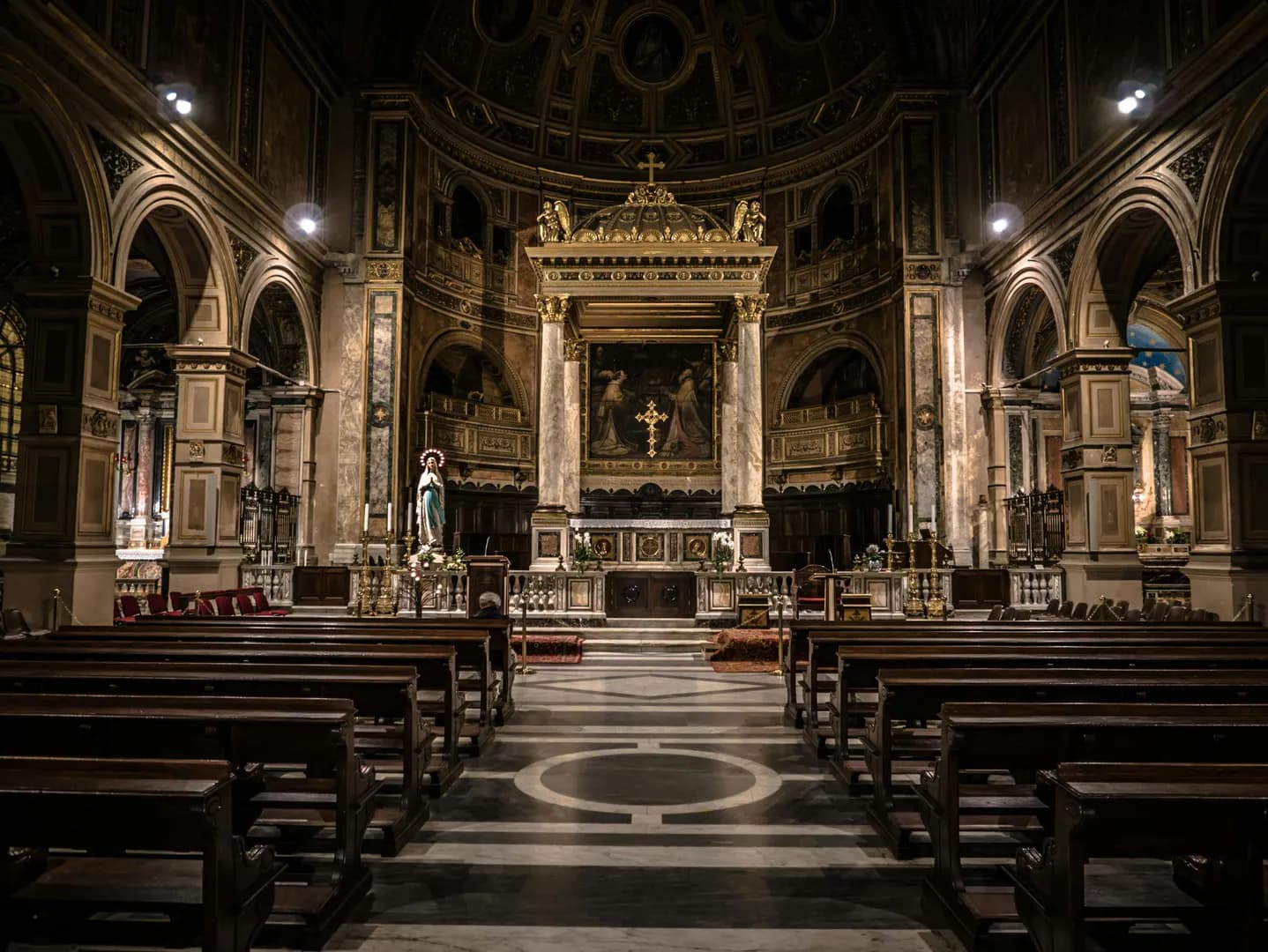
Spello's Santa Maria Maggiore Church has the famous frescoes of the renowned Pinturicchio. His work can also be viewed at the Church of Sant'Andrea located just a few minutes from Santa Maria Maggiore.
Roman Archaeology
If you are interested in Spello's ancient past, pay a visit to the Villa of the Mosaics located at the bottom of the old town. Discovered in July 2005 during construction of a public car park just outside the walls, the modern complex built to protect the excavation site is a worthy stop and highlights Spello's importance in Roman archaeology. Inside, roughly 500 square meters of intricately preserved floor mosaics span ten of the villa's twenty excavated rooms, including an impressive triclinium, or banquet hall, decorated with scenes of wine-pouring and wild animals.
In fact, it was reported in January 2024 that a large Roman temple complex had been discovered underneath a Spello parking lot. American researchers, working from a rediscovered 4th-century letter attributed to Emperor Constantine, used underground imaging to pinpoint the site before excavating it, uncovering what has been described as one of the largest known temples of the Imperial Cult from the late Roman Empire. It's a striking reminder that this small Umbrian town holds a wealth of Roman archaeology still waiting to be explored, quite literally beneath its everyday streets.
Le Infiorate di Spello
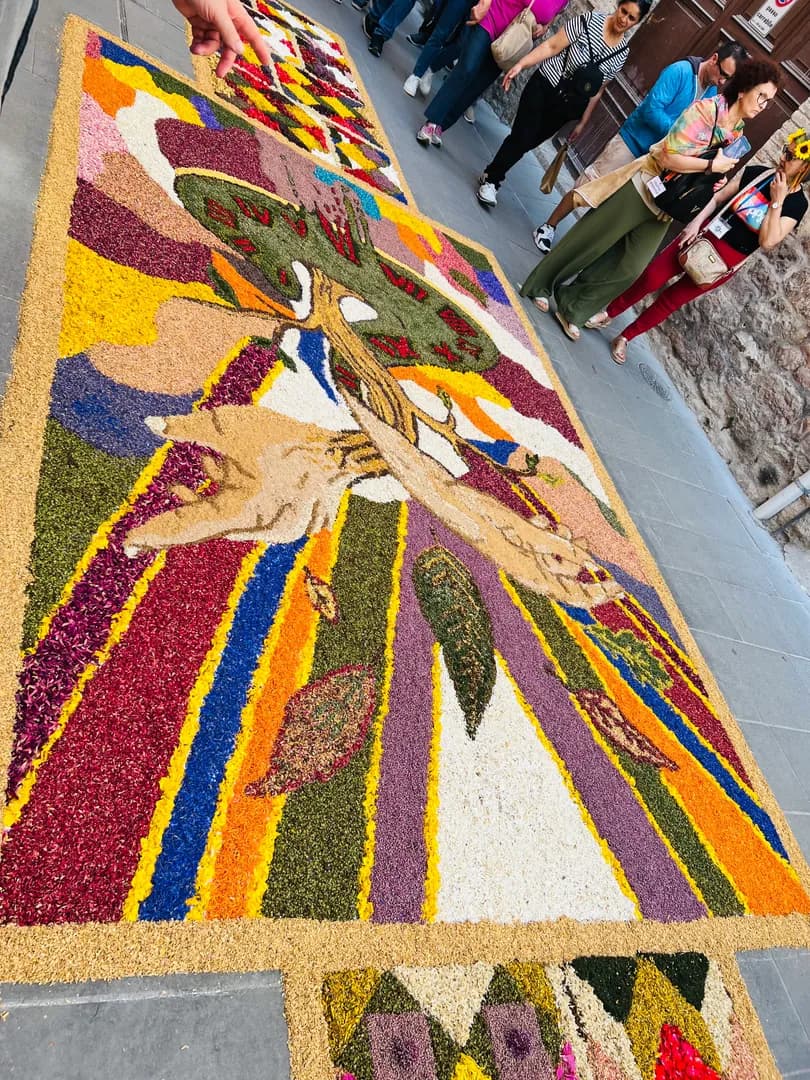
If you are lucky enough to be in Spello in June, you may be able to experience Le Infiorate di Spello, the famous flower festival. I was fortunate enough to be staying in Spello during the Flower Festival and it was absolutely stunning.
Building up to the weekend, locals meticulously place flower petals on the ground, creating intricately designed flower carpets. The carpets cover the cobblestoned streets and continue for blocks throughout the town. Visitors come from near and far to witness the flower carpets, so expect huge crowds and traffic on the flower festival days.
Tip: If you decide to visit during Le Infiorate di Spello, make sure you book a local restaurant ahead of time. We had to leave Spello to eat lunch and dinner because we had not made reservations.
The Infiorata is timed to the Feast of Corpus Domini, a moveable feast on the Catholic calendar that typically falls in early to mid-June, so the exact weekend shifts slightly from year to year. If you want to witness the flower carpets without fighting the biggest crowds, arrive on the Saturday to watch the artists at work through the night rather than waiting for the Sunday procession, when the town is at its most packed.
Getting There and Getting Around
Spello sits on the regional train line between Foligno and Perugia, and the station is an easy, mostly level walk from the edge of the old town, making it one of the more accessible hilltop towns in the region for travelers without a car. By road, it's about 15 minutes south of Assisi and roughly 30 minutes from Perugia, so it works well as a day trip from either base or from Lake Trasimeno further west.
Once inside the walls, expect steep, cobbled streets and staircases connecting the different levels of town; comfortable shoes are essential. The main gates, Porta Consolare at the bottom and Porta Venere near the top, bookend a pleasant uphill walk that takes you past most of the sights described above.
The Best Time to Visit
Beyond the Infiorata, Spello rewards a visit in any season. Spring brings the flower-filled balconies and window boxes that give the town its everyday charm, even outside festival weekend. Autumn is harvest season across this stretch of Umbria, with the olive and grape harvests bringing a rhythm of activity to the surrounding countryside and fresh olive oil appearing on restaurant tables. Summer, aside from the Infiorata weekend itself, is quieter here than in nearby Assisi, and winter offers a nearly deserted, atmospheric version of the same medieval streets, with far fewer visitors and a slower pace overall.
Who Spello Suits
Spello is an excellent fit for travelers who have already ticked off Assisi's major sights and want a smaller, less crowded hill town with an equally serious art and history pedigree. It suits couples and independent travelers happy to explore on foot, food lovers chasing truffle season, and anyone building a slower-paced Umbria itinerary rather than a checklist of big-name stops. Travelers who need a wide range of hotel choices, elevators, or step-free access should be aware that the town's steep, historic layout and thin lodging options may be better suited to a day trip than a multi-night stay.
Where to Stay
Accommodations in Spello are scarce. You will find ample apartment and villa rentals in and around Spello, but the cities of Assisi and Spoleto offer more diverse options of hotels and bed and breakfasts. Luxury villa rentals are available through local hosts who can arrange experiences, private chefs, and housekeeping services.
Where to Eat
If food is more your currency than art, Spello has delicious restaurants and wine bars. My personal favorite is Enoteca Properzio located in Piazza Giacomo Matteotti. The menu is wonderful and features local specialties like Tagliatelle al Tartufo, preferably washed down with a full-bodied Sagrantino red.
Tip: Umbria is home to the black truffle, so it is often used in multiple dishes and is inexpensive compared to other regions of Italy.
Pairing Your Visit
Spello pairs naturally with a wider northern Umbria loop. Combine it with Assisi for the region's major pilgrimage sites, Montefalco for its Sagrantino wineries, and Spoleto for opera and Roman ruins of its own. Travelers coming from Tuscany can easily add Spello onto a longer swing through central Italy, entering Umbria near Lake Trasimeno before continuing east.
Do not let Assisi be your one and only Umbrian destination. Take a short trip to its southern smaller neighbor, Spello, and bask in the beauty and history of one of Italy's most beautiful and historical hilltop towns. For help weighing Spello's home region against its more famous neighbor, see our guide to Tuscany or Umbria, and for another quiet Umbrian escape, consider Lake Trasimeno.
Frequently Asked Questions
Where is Spello located?
Spello is a hilltop town in Umbria, located on the southern side of Mount Subasio. It is just 15 minutes south of Assisi and makes an easy day trip or a peaceful base for exploring the region.
What is Le Infiorate di Spello?
Le Infiorate di Spello is an annual flower festival held in June where locals create elaborate flower petal carpets that cover the cobblestone streets. It is a spectacular event that draws visitors from across Italy and beyond.
What should I see in Spello?
Must-see attractions include the Pinturicchio frescoes at Santa Maria Maggiore Church, the Villa of the Mosaics with its Roman archaeological remains, and the medieval fortified walls. The flower-filled balconies throughout the town are also a highlight.
Is Spello worth visiting?
Absolutely. Spello offers a quieter alternative to nearby Assisi with equally impressive history, beautiful Renaissance art, Roman archaeology, and excellent Umbrian cuisine featuring local truffles and Sagrantino wine.
Where should I stay when visiting Spello?
Accommodations within Spello are limited, mostly villa and apartment rentals. For more hotel options, consider staying in nearby Assisi or Spoleto and visiting Spello as a day trip.
References
- Historical records on Spello as a Roman colony dating to the 1st century BCE.
- Villa of the Mosaics archaeological site information discovered in 2005.
- News reports from January 2024 on the discovery of a Roman temple complex beneath Spello.
- Le Infiorate di Spello festival documentation and schedule information.
- Pinturicchio fresco documentation at Santa Maria Maggiore and Sant'Andrea churches.