
Pack layers over one heavy coat, cushioned shoes over anything new, and a carry-on-plus bag over a hard-sided giant for Italy's cobblestones and trains.
The short version: bring broken-in shoes with real cushioning, a bag you can carry up stairs without help, one modest outfit for churches, and layers rather than a single bulky coat. Everything else changes by season and trip type. After years of packing for my own trips to Italy and fielding the "what do I actually need" question from clients at Italy Awaits Travel, I've found the packing mistakes are far more predictable than the solutions — so this guide is built around avoiding those mistakes first.
What's the single biggest packing regret travelers report in Italy?
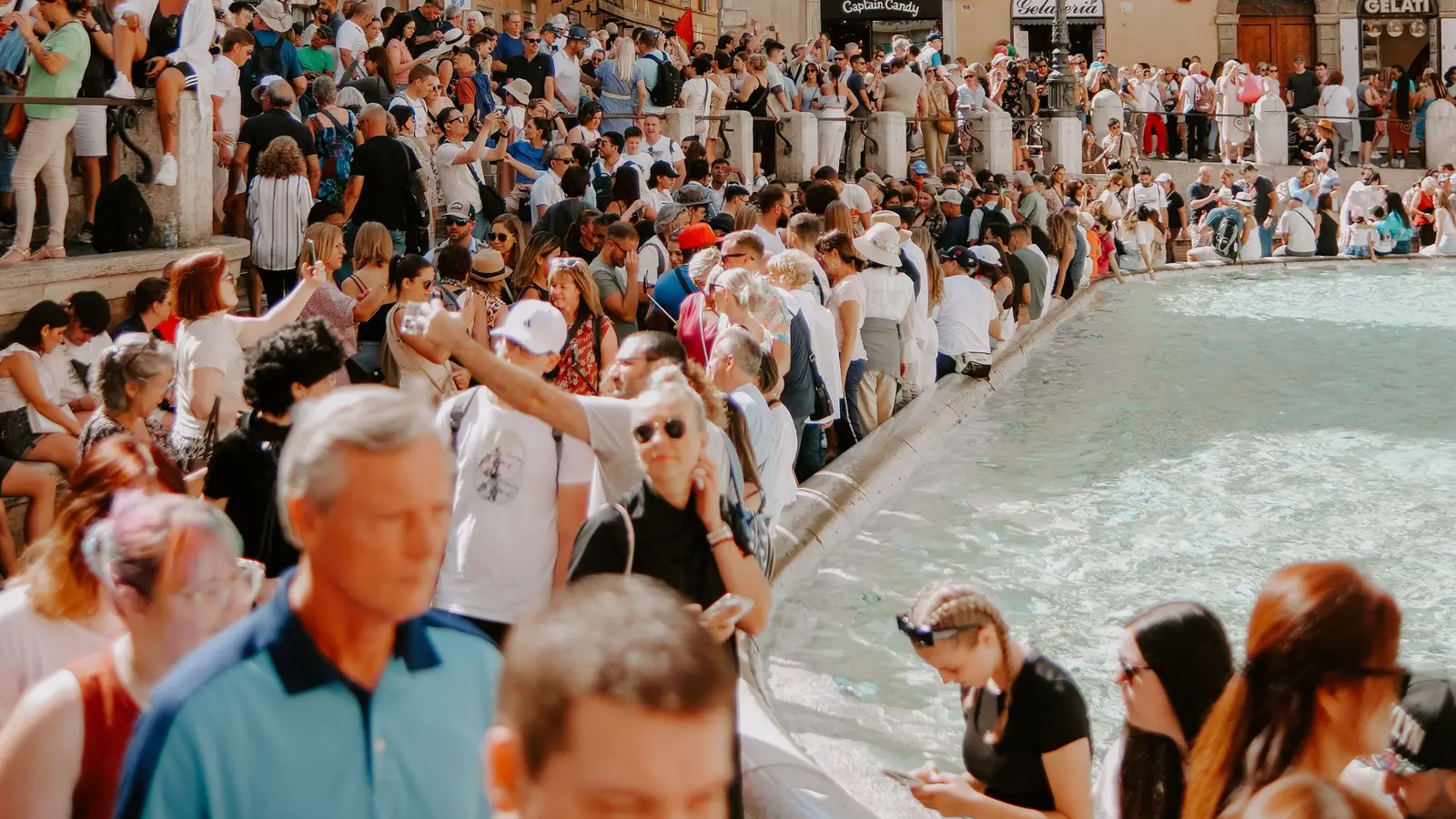
Footwear. More than anything else, travelers tell me they wish they'd packed different shoes. Italy's historic centers are paved in sampietrini — the small, uneven stone blocks that look beautiful in photos and are punishing on unprepared feet, especially in Rome, Florence, and the older parts of Naples and Palermo.
The fix is cushioning and flexibility, not fashion. Look for a sole that bends at the ball of the foot rather than the arch, real arch support, and a shoe you've already worn several times before you fly. Clean fashion sneakers are genuinely what many Italians wear day to day, so they double as a way to blend in. Avoid anything brand new, anything with a rigid or very thin sole, and — worth saying plainly — heels or wedges for daily sightseeing, which are miserable on cobblestones and on steep coastal stairs like Positano's.1 Pack a second pair so one can air out while you wear the other; rotating shoes also reduces blisters on longer trips.
What are the actual dress code rules for Italian churches?
Both shoulders and knees need to be covered to enter major basilicas, and the rule is enforced at security, not suggested. At St. Peter's Basilica, the Vatican's own visitor guidance states that men must wear long trousers, women must wear skirts below the knee or trousers, and shoulders must be covered for all visitors — sleeveless tops, low-cut necklines, and shorts above the knee get you turned away even with a valid, timed-entry ticket.2
The Duomo di Milano applies the same standard: shoulders and knees covered, no sleeveless or low-cut clothing, no shorts, miniskirts, or hats. If you climb the Duomo's rooftop terraces or descend into the archaeological area beneath the cathedral, the official regulations also call for comfortable, secure shoes rather than heels, since some passages are narrow and steep.3
Practically, this means:
- Pack one lightweight scarf or wrap per traveler that can cover shoulders in seconds.
- Choose knee-length shorts or skirts if you're touring in summer heat, rather than anything shorter.
- Keep this outfit accessible in your day bag on any day that includes a major church, not buried at the bottom of your suitcase.
I go deeper on the history and role of Rome's two great basilicas in St. John Lateran and St. Peter's: Understanding Rome's Two Great Basilicas — this packing guide sticks to what to wear, not the history behind what you're seeing.
How should I pack differently by season?
Layer for spring and fall, plan around heat and mosquitoes in summer, and treat the north and south as two different winters. "Pack for Italy" without a season and region attached is close to meaningless.
Spring (March–May)
Spring is layering season. Daytime temperatures are pleasant but mornings and evenings stay cool, and a sudden shower is common, especially in April. A packable rain jacket earns its space far more than a bulky raincoat. Bring a light sweater or fleece for evenings, and keep your cobblestone-proof shoes as the anchor of the bag.
Summer (June–August)
Summer means real heat, especially inland and in cities like Rome and Florence, plus a mosquito reality most first-time visitors underestimate. The Asian tiger mosquito (zanzara tigre) is active roughly April through October and, unlike many mosquito species, bites throughout the day rather than just at dusk. Coverage is heaviest in the Po Valley and regions like Tuscany, Veneto, and Emilia-Romagna, but it shows up nationwide.4 Pack a repellent with 20–30% DEET or 20% picaridin, which travel medicine sources put at roughly 4–6 hours of protection per application.4 A small battery or USB portable fan is one of the most-used items my summer clients pack, since air conditioning in older Italian buildings is often less aggressive than what Americans expect.
Breathable natural fabrics (linen, cotton) outperform synthetics in summer humidity. Sunscreen, a wide-brim hat, and a reusable water bottle round out the essentials.
Fall (September–November)
Fall is the rainiest stretch of the Italian year, particularly October and November, with average rainfall increasing noticeably in the north and center of the country.5 A real rain jacket (not just packable and light, but genuinely water-resistant) and a compact umbrella belong in every fall bag. Layer as in spring, but plan for cooler evenings, especially by late November.
Winter (December–February)
Winter in Italy is really two different trips. In the north — Milan, the Veneto, the Dolomites — daytime highs commonly sit in the low-to-mid 40s°F (roughly 6–7°C), with nights at or below freezing and real potential for snow and fog.6 A proper insulated coat, gloves, and a warm hat aren't optional. In the south — Naples, Sicily, Puglia — winter is far milder, with daytime temperatures often in the mid-to-high 50s, sometimes higher on the islands.6 A mid-weight coat and layers usually suffice south of Rome, but pack for coastal rain and wind even there.
How do I dress to blend in without overdoing it?
Aim for smart-casual and put-together, not costume-y and not overly formal — Italians dress with intention even for errands, but that mostly means well-fitting, clean clothes rather than anything flashy. The classic American tourist markers are easy to avoid once you know them: baggy athletic wear worn as street clothes, obvious logo-covered gear, and — the most common one — sightseeing shoes that are clearly built for a gym, not a piazza.
For dinner, especially at better restaurants, "smart-casual" is genuinely the norm: collared shirts or a nice top, real shoes rather than sandals or sneakers for men, and a dress or trousers for women covers most restaurants you'll visit. You don't need cocktail attire outside a handful of formal dining rooms, but athletic wear at dinner reads as underdressed almost everywhere. A couple of versatile outfits that layer well — a blazer or cardigan you can dress up or down — go further than a suitcase of single-use outfits.
What luggage actually works in Italy?
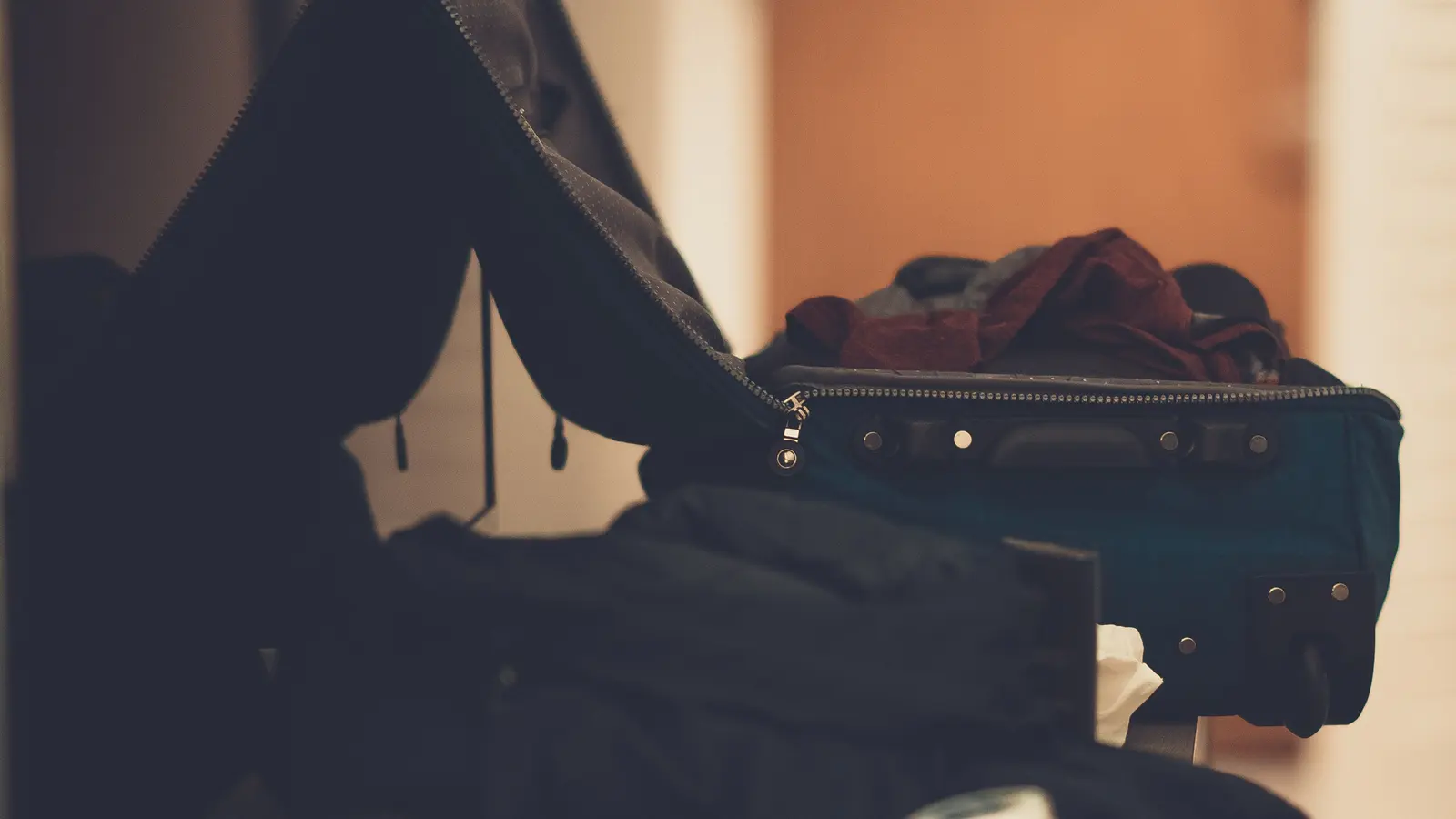
A carry-on-plus-one-checked-bag approach, ideally with wheels that can be lifted by one person, beats a giant hard-sided suitcase almost every time. The reasons come down to Italy's physical geography as much as style: narrow cobblestone streets that swallow small spinner wheels, station platforms and hotel entrances with stairs and no elevator, and coastal towns — Positano above all — where "your hotel" can mean 60-plus steps from the drop-off point.
Trains reinforce the same logic. On Trenitalia's high-speed Frecciarossa trains, overhead racks fit roughly cabin-sized bags (around 55 x 40 x 23 cm), while larger suitcases go in the dedicated luggage area at the end of each carriage — useful, but limited and often contested during busy periods.7 Trenitalia doesn't enforce a hard piece limit, but bags can't block aisles or doors, and hauling an oversized suitcase with no porter and a tight connection isn't a scenario I recommend.7
My practical rule: one bag per person that you could carry up a flight of stairs yourself if you had to. If your itinerary includes a hill town, the Amalfi Coast, or multiple train changes, a soft-sided or hybrid bag with sturdy wheels beats a rigid hard-shell every time.
What tech and practical items should I actually bring?
Italy runs on 230V power and uses plug Type L (three round pins in a line) as its national standard, alongside Type C (the two-pin round Europlug) and, increasingly, Type F in newer buildings.8 Most US electronics with USB-C or laptop-style charging bricks are dual-voltage and work fine with a simple plug adapter — no separate voltage converter needed. Check the fine print on hair dryers, curling irons, and other high-wattage appliances specifically, since those are most likely to be single-voltage.
Beyond the adapter, I'd pack:
- A portable charger/power bank for long sightseeing days.
- A universal adapter rather than a single Type C plug — Type F is common enough to leave you stuck otherwise.
- A portable fan for summer trips, as noted above.
- A crossbody bag with a zip closure for pickpocket-prone areas near stations and monuments.
- A refillable water bottle — Rome alone has hundreds of public drinking fountains (nasoni) with safe, cold water.
What should you leave at home?
A few categories consistently take up suitcase space without earning it:
- A single giant hard-sided suitcase. It fights you at every cobblestone and staircase.
- New, unbroken-in shoes. Break them in before you fly, or don't bring them.
- A full formal wardrobe "just in case." Two or three versatile smart-casual outfits outperform a suitcase of unlikely scenarios.
- A voltage converter. Check your chargers first; most modern devices only need a plug adapter.
- Multiple pairs of jeans for summer. Heavy denim is uncomfortable in July and August heat.
- An umbrella for a July trip. Summer rain is brief and infrequent compared with fall.
Season-by-Season Packing Table
| Season | Key Items | Watch Out For |
|---|---|---|
| Spring (Mar–May) | Packable rain jacket, light sweater/fleece, layers, cushioned walking shoes | Cool mornings/evenings, sudden April showers |
| Summer (Jun–Aug) | Linen/cotton clothing, DEET or picaridin repellent, portable fan, sun hat, refillable water bottle | Daytime heat, all-day-biting tiger mosquitoes, humidity |
| Fall (Sep–Nov) | Real water-resistant rain jacket, compact umbrella, layered sweaters | October–November is Italy's rainiest stretch |
| Winter, North (Dec–Feb) | Insulated coat, gloves, warm hat, waterproof boots | Highs near 43–45°F (6–7°C), possible snow and freezing nights |
| Winter, South (Dec–Feb) | Mid-weight coat, layers, light rain gear | Milder (often mid-to-high 50s°F) but coastal wind and rain still occur |
| All year | 1 church-modest outfit, 2 pairs of broken-in shoes, universal plug adapter, crossbody bag | Skip the giant hard-sided suitcase |
If you're still finalizing your itinerary, our Amalfi Coast destination guide and the wider destinations section are good starting points. If you're basing yourself on the Sorrento Peninsula, read why I recommend Sant'Agnello instead of central Sorrento first, since it changes how much stair-climbing you'll do daily. For more avoidable missteps beyond packing, see first-time Italy mistakes.
FAQ
Do I really need to cover my shoulders and knees at every church in Italy?
At the major basilicas and cathedrals — St. Peter's, the Duomo di Milano, and most large churches — yes, enforced at the door regardless of ticket status. Smaller parish churches vary, but one modest, easily accessible outfit removes the guesswork.
Is a hard-sided suitcase really a problem in Italy?
It can be. Small spinner wheels struggle on cobblestones, many hotels and stations involve stairs without elevators, and coastal towns like Positano can mean dozens of steps between the road and your room. A lighter bag you can carry yourself is more reliable than a large rigid one.
What plug adapter do I need for Italy?
Italy's standard is Type L (three round pins), with Type C and increasingly Type F also in use, all on 230V/50Hz. A universal adapter covering all three is safer than a single-type one, and most modern phone and laptop chargers are dual-voltage, so a separate converter usually isn't necessary.
How bad are mosquitoes in Italy really?
The tiger mosquito is active roughly April through October and bites during the day, not just at dusk, which surprises many first-time visitors. It's most concentrated in the Po Valley, Tuscany, and Emilia-Romagna, but repellent with DEET or picaridin is worth packing nationwide.
Should I pack differently for northern versus southern Italy in winter?
Yes, treat them as different trips. Northern Italy sees near-freezing nights and highs in the low-to-mid 40s°F, sometimes with snow, while southern Italy and the islands are noticeably milder, often reaching the mid-to-high 50s°F by day.
What's one item almost every traveler wishes they'd packed?
A second pair of broken-in, cushioned walking shoes. Cobblestones and long sightseeing days wear out feet faster than most people expect, and having a backup pair to rotate into makes a real difference over a week or more.
Getting the packing list right is a small part of a well-planned trip, but it's the part that shows up every day you're on the ground. If you'd like help building an itinerary where the logistics — pacing, church visits, seasonal timing — are handled before you start packing, visit our services page or contact Italy Awaits Travel.
References
- Mom In Italy, "The Best Shoes for Italy," and related Italy travel guidance on cobblestone-appropriate footwear, cushioning, and sole flexibility for historic city centers.
- Basilica di San Pietro, official Vatican FAQ, "What is the dress code to visit St. Peter's Basilica," basilicasanpietro.va — https://www.basilicasanpietro.va/en/faq/what-is-the-dress-code-to-visit-st-peter-s-basilica
- Duomo di Milano, official "Rules of Conduct and Access Regulations for the Milan Duomo Monumental Complex" (July 2025) and official regulations page, duomomilano.it — https://www.duomomilano.it/en/regulations/regulation/
- Travel health guidance on the Asian tiger mosquito (Aedes albopictus) in Italy, including active season (April–October), daytime biting behavior, regional concentration in the Po Valley and central/northern regions, and DEET/picaridin repellent effectiveness windows.
- Climate and seasonal rainfall data for Italy in October and November, including average rainfall figures and regional rainy-day counts for the autumn season.
- Regional winter temperature comparisons for northern Italy (Milan, the Veneto) versus southern Italy and the islands (Naples, Sicily) for December and January.
- Trenitalia luggage and onboard storage guidance for Frecciarossa high-speed trains, including approximate overhead rack dimensions and end-of-carriage luggage area policy.
- World Standards, "Italy — Power plug, socket & mains voltage in Italy," detailing Type C, Type F, and Type L plug standards and 230V/50Hz mains supply — https://www.worldstandards.eu/electricity/plug-voltage-by-country/italy/