
Learn what ZTL zones are, how to avoid costly fines, and when renting a car in Italy makes sense versus taking trains or hiring private drivers.
The Unexpected Souvenir: ZTL Fines
You have booked your holiday to Italy and have rented the cutest cinquecento for the adventure. The trip goes as planned and you cannot wait for your return visit next summer. However, when you arrive back home you end up with a souvenir you did not expect: multiple traffic fines in your mailbox. The fines explain you were in violation of a ZTL zone.
This scenario plays out for thousands of travelers every year. Understanding what ZTL zones are and how to avoid them can save you hundreds of euros and a great deal of frustration.
What Is a ZTL Zone?
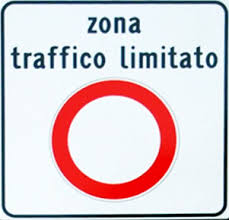
ZTL stands for Zona Traffico Limitato, or Limited Traffic Zone. These are clearly marked areas in Italian cities, most notably Florence, Pisa, Milan, and Rome. These zones limit traffic in historical centers to residents and authorized vehicles during specific daily hours.
Individuals who reside within the city centers, taxi drivers, delivery services, and certain businesses have special permits allowing entry without a fine. Tourists in rental cars do not have these permits and are subject to fines if they enter.
How Do You Get a Fine?
If you do not have a special permit and enter a ZTL zone, cameras within the zones automatically photograph your license plate. This triggers the process of issuing a citation. If your car is rented, the ticket is issued to the billing address of the credit card used to purchase the rental.
The rental company will also typically charge an administrative fee on top of the fine itself, making the total cost even higher. Citations can arrive weeks or even months after your trip, long after you have returned home.
What About GPS Navigation?
Most navigation systems will not alert you to ZTL zones. They are simply trying to get you from point A to point B the quickest way possible, which often has the driver cutting through regulated traffic zones to save time.
Waze now alerts to some ZTL cameras, however, cities can change ZTL boundaries and this information will not always be updated in navigation apps. Relying solely on GPS is not a reliable way to avoid fines.
How to Avoid ZTL Zones and Fines
Do Not Follow Other Cars
If you see a car in front of you entering the city center, do not assume that you can follow. This may be a local resident or business owner who has a special permit. Following them will still trigger a fine for your vehicle.
Plan Your Rental Car Strategy
Avoid renting a car if you are only staying in major city centers. Always ask the rental company about ZTL boundaries in the area where you will be driving.
If you are a hotel guest and want to drop your luggage off and park your car near the hotel, always alert the hotel that you are driving there and pre-arrange parking in advance. Some hotels offer on-site parking within the ZTL zone and can register your license plate temporarily, while others have partnerships with parking garages outside of these zones.
Use Parking Garages Outside Historical Walls
Many Italian cities have large parking garages located just outside the ZTL boundaries, often near the old city walls or main gates. You can park there and walk or take a taxi into the center. Google Maps can help you locate these garages in advance.
How Much Are ZTL Citations?
Most citations are 100 euros or more per violation and can be paid either by credit card or bank transfer. If you trigger multiple cameras on the same trip, or enter a zone multiple times, you will receive multiple fines. This can get very expensive very quickly.
Rental car companies also charge administrative fees to process each fine, typically 30 to 50 euros per citation on top of the actual fine amount.
City-by-City Advice
Florence
Florence is notoriously strict about ZTL enforcement. The historical center is tightly regulated and cameras are everywhere.
If you are spending time in Florence and want to explore the Tuscan countryside, consider a private driver for the day or a small group tour. This allows you to relax and enjoy that wine pairing at lunch without worrying about driving.
If you are staying outside the city center and want the freedom to explore the countryside, pre-arrange parking at your accommodations and use maps to locate parking garages outside the historical walls. I often recommend booking accommodations outside the city center on the same street as a parking garage. This allows you to quickly exit the city without worrying about ZTL fines and be within close proximity of the autostrada.
Rome
Rome is a large city but you will more than likely be staying within the historical center most of the time. Taxis and rideshare services are widely available, and a car is completely unnecessary. In fact, a rental car would be a huge burden while paying steep parking fees at hotels and garages.
If you are continuing on to the Amalfi Coast, this is far easier without a car than with one. You can take a fast train to Naples and either take a shuttle or have a private driver transport you to your seaside accommodation. While you are on the Amalfi Coast you will be walking, using taxis, and taking ferries to get around. There are few parking areas and again, your car would become a hindrance.
Milan
The historical center of Milan is easily walkable with good public transportation. Taxis and rideshare services are abundant, and Milan has a robust metro system that covers most areas visitors want to see.
If you are venturing into the Lake Region or the Ligurian Coast, consider renting your car at the Linate airport, a 20-minute metro ride from the center of Milan with easy access to the autostrada.
However, if you are going to Como or Cinque Terre, a rental car is not advisable. Como is quickly reached by train, and ferries will become your main mode of transportation on the lake. Cinque Terre is connected by a rail system and cars are strictly regulated in the villages.
Pisa
Many people fly into Pisa to explore the Ligurian and Tuscan coasts. Pisa has four separate ZTL zones, so if you are spending a few days in Pisa, consider renting a car right before you leave to avoid hefty fines.
The Pisa airport is ideal for car rentals because most car rental offices near the main train station are about 10 minutes away from Pisa Centrale, requiring a taxi or walking with luggage to find the rental agency.
When to Rent a Car in Italy
A rental car makes sense when you are:
- Exploring the Tuscan or Umbrian countryside, with accommodations outside major city centers
- Visiting small hill towns and villages that are not well connected by train
- Staying in rural areas like the Val d'Orcia, Chianti, or the Marche region
- Traveling with a group or family where private transfers would cost more than a rental
This is especially true in driving-oriented regions such as Puglia or Sicily, where towns are spread far apart and rail coverage is limited.
A rental car does not make sense when you are:
- Staying primarily in major cities like Florence, Rome, Milan, or Venice
- Traveling along the Amalfi Coast where roads are narrow and parking is scarce
- Visiting Lake Como or Cinque Terre where ferries and trains are the primary transport
- On a tight schedule where train travel would be faster than driving
My Travel Expert Advice
Renting a car for a city-only trip is one of the classic first-time Italy mistakes. If you are only travelling to cities within Italy like Florence, Rome, Milan, and Venice, take the train. Trains are incredibly user friendly and take the stress out of driving and parking in a foreign country. You can grab a taxi from the train station to your accommodation and not have to worry about navigation, parking, or fines.
For countryside exploration, consider whether the freedom of a rental car is worth the complexity. Often a combination of trains between cities and private drivers for day trips offers the best of both worlds: you get flexibility and local expertise without the stress of driving unfamiliar roads and avoiding ZTL zones.
How Italy Awaits Travel Can Help
If you are unsure how best to get around Italy with the least resistance, reach out to Italy Awaits Travel. We can advise you on the best combination of trains, private drivers, and rental cars for your specific itinerary. We know which areas require a car and which do not, and we can help you pre-arrange parking and hotel coordination to avoid ZTL hassles.
Our goal is to help you avoid unnecessary fines and create an itinerary where transportation enhances your trip rather than causing stress.
Frequently Asked Questions
What is a ZTL zone in Italy?
ZTL stands for Zona Traffico Limitato, or Limited Traffic Zone. These are restricted areas in Italian city centers where only residents, taxis, and authorized vehicles with special permits can drive. Cameras automatically photograph vehicles entering without permits and issue fines.
How much is a ZTL fine in Italy?
Most ZTL fines are 100 euros or more per violation. If you trigger multiple cameras or enter a zone multiple times, you will receive multiple fines. Rental car companies also charge administrative fees of 30 to 50 euros per citation on top of the actual fine amount.
Will my GPS warn me about ZTL zones?
Most GPS navigation systems do not alert you to ZTL zones. Some apps like Waze now include ZTL camera alerts, but cities can change boundaries and this information is not always current. You cannot rely solely on GPS to avoid ZTL fines.
Should I rent a car in Italy?
It depends on your itinerary. Rental cars are useful for exploring the Tuscan countryside, hill towns, and rural areas not well served by trains. They are not recommended for major cities like Florence, Rome, and Milan, or for the Amalfi Coast where parking is scarce and roads are narrow.
How can I avoid ZTL fines when staying in a city center hotel?
Contact your hotel before arrival and let them know you are driving. Many hotels can temporarily register your license plate with the city or direct you to parking garages just outside the ZTL boundaries. Never follow other cars into restricted areas assuming they give you permission to enter.
References
- Italian traffic regulations and municipal ordinances establishing ZTL zones in major cities including Florence, Rome, Milan, and Pisa.
- Rental car company policies and traveler reports regarding ZTL fine processing and administrative fees.
- Navigation app documentation regarding ZTL camera alerts and limitations in coverage updates.
- Municipal parking authority information for Florence, Rome, Milan, and Pisa regarding garage locations outside ZTL boundaries.
- Trenitalia and Italo train schedules and route information for intercity travel in Italy.