
The biggest first-time-in-Italy mistakes are almost never about taste — they're about pacing and paperwork. Travelers pack too many cities into too few days, skip advance booking on museums that sell out, misjudge how Italian trains and restaurants actually work, and pack the wrong clothes for a basilica visit. None of these mistakes ruins a trip, but each one costs real money, hours, or a reservation you can't get back once it's gone.
I'm Tamar Miller, founder of Italy Awaits Travel. I hold a Masters in Roman Archaeology and have spent decades traveling Italy and building custom itineraries for American travelers. These are the twelve mistakes I see most often from first-timers — and exactly how to sidestep each one.
1. Cramming Too Many Cities Into One Trip
The fix is simple: budget at least 2 to 3 nights per city, and treat any travel day between cities as a half-day, not a bonus sightseeing day. A common first-timer itinerary tries to hit Rome, Florence, Venice, the Amalfi Coast, and Cinque Terre in ten days — which mostly means ten days of packing and unpacking suitcases in taxi lines.
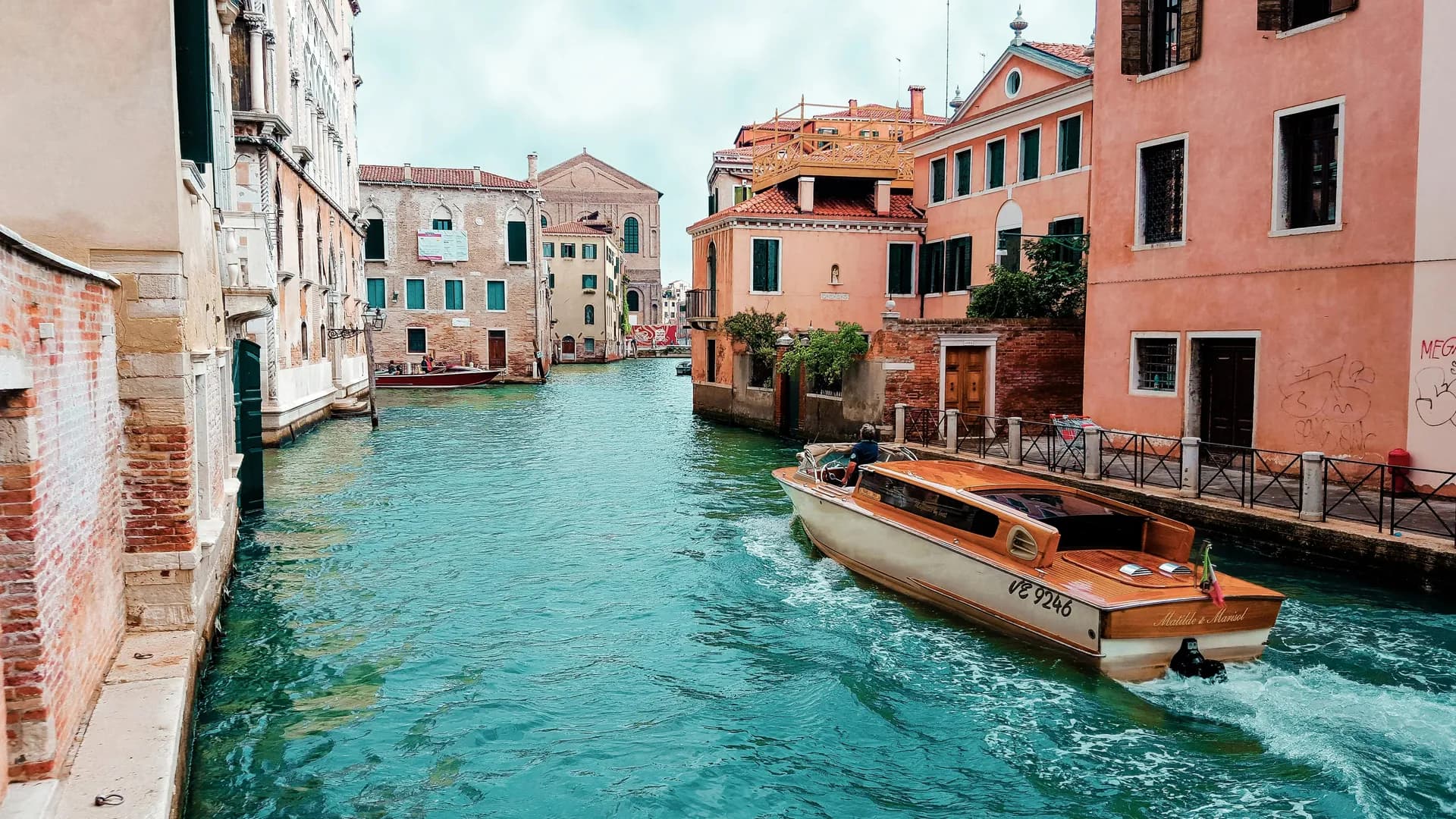
Italy rewards depth over checklist-hopping. Rome alone easily fills 3 to 4 days; Florence, 2 to 3; Venice, 2. If you only have a week to ten days, pick two or three regions that pair naturally rather than trying to see the whole boot. Our destinations page groups regions by how well they connect, which is a good starting point for building a realistic route before you fall in love with a 14-stop Pinterest itinerary.
2. Not Booking Major Museums Far Enough in Advance
Several of Italy's top sights now require a timed reservation and genuinely sell out — this isn't just travel-blog caution, it's operational reality. The Galleria Borghese in Rome requires a reservation for every visitor, including free admission, and its two-hour timed slots regularly sell out weeks in advance during spring, summer, and fall.6 The Uffizi Gallery in Florence sells timed-entry and skip-the-line tickets online, and waiting to buy at the door in high season usually means a long queue or no same-day availability.7 Milan's Last Supper is strictest of all: there is no walk-up option, visits run in 15-minute windows, and tickets release in batches well ahead of the visit date.
The safe rule: book the Vatican Museums, Borghese Gallery, Uffizi, Last Supper, and Colosseum arena-floor access as soon as your dates are firm — ideally 4 to 8 weeks out for the Uffizi and Colosseum, and as far ahead as the booking window allows for the Last Supper and Borghese. Verify current sell-out patterns for your travel month before finalizing a day-by-day plan, since demand shifts year to year.
3. Renting a Car for a Cities-Only Trip
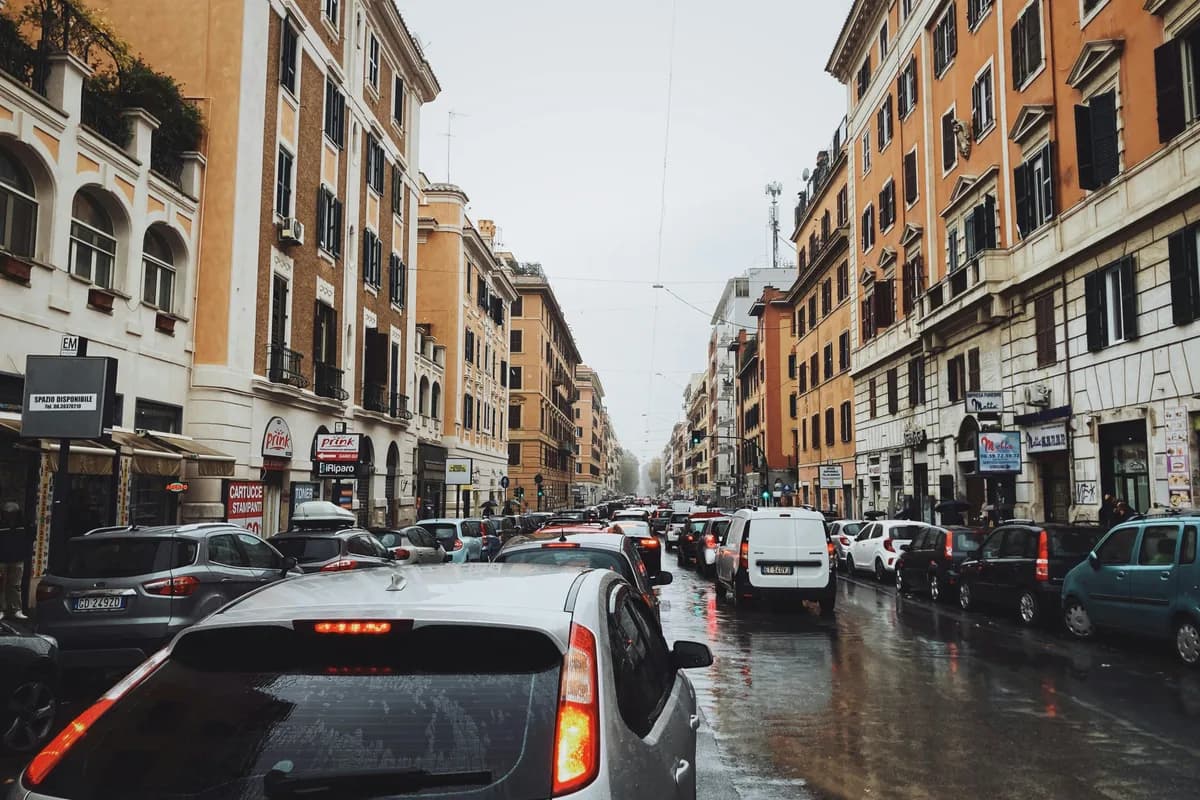
If your itinerary is Rome, Florence, Venice, and maybe Milan, you almost never need a rental car — and driving one into a historic center can turn into an expensive mistake. Italian cities enforce ZTL (Zona Traffico Limitato) zones with cameras that fine unauthorized vehicles automatically, and the citations often arrive by mail weeks after you've already flown home.
I've written a full breakdown of how ZTL zones work city by city, what the fines actually cost, and when a rental car genuinely makes sense (rural Tuscany or Umbria, mostly) in our guide to ZTL zones and renting a car in Italy. Read it before you book a car for a trip that's really just cities connected by train.
4. Skipping Train Ticket Validation
On Italy's regional trains, a paper ticket must be validated at the small green or white machine on the platform before boarding, and a digital regional ticket must be checked in through the Trenitalia app; this rule does not apply to Frecce or Italo tickets, which are already tied to a specific train and seat.1 Skip validation and get caught, and you're looking at a fine — commonly around €50 if you pay the conductor on the spot, rising toward €100 to €200 if it isn't resolved immediately, with exact figures varying somewhat by region and operator.2
If you genuinely forget, tell the conductor as soon as they reach you; most will let you validate on board for a small fee instead of issuing a full fine. For the bigger picture on how Italian trains run, including how to plan around strikes announced in advance, see our guide to train travel, strikes, and reliability in Italy.
5. Eating at the Restaurant Facing the Monument
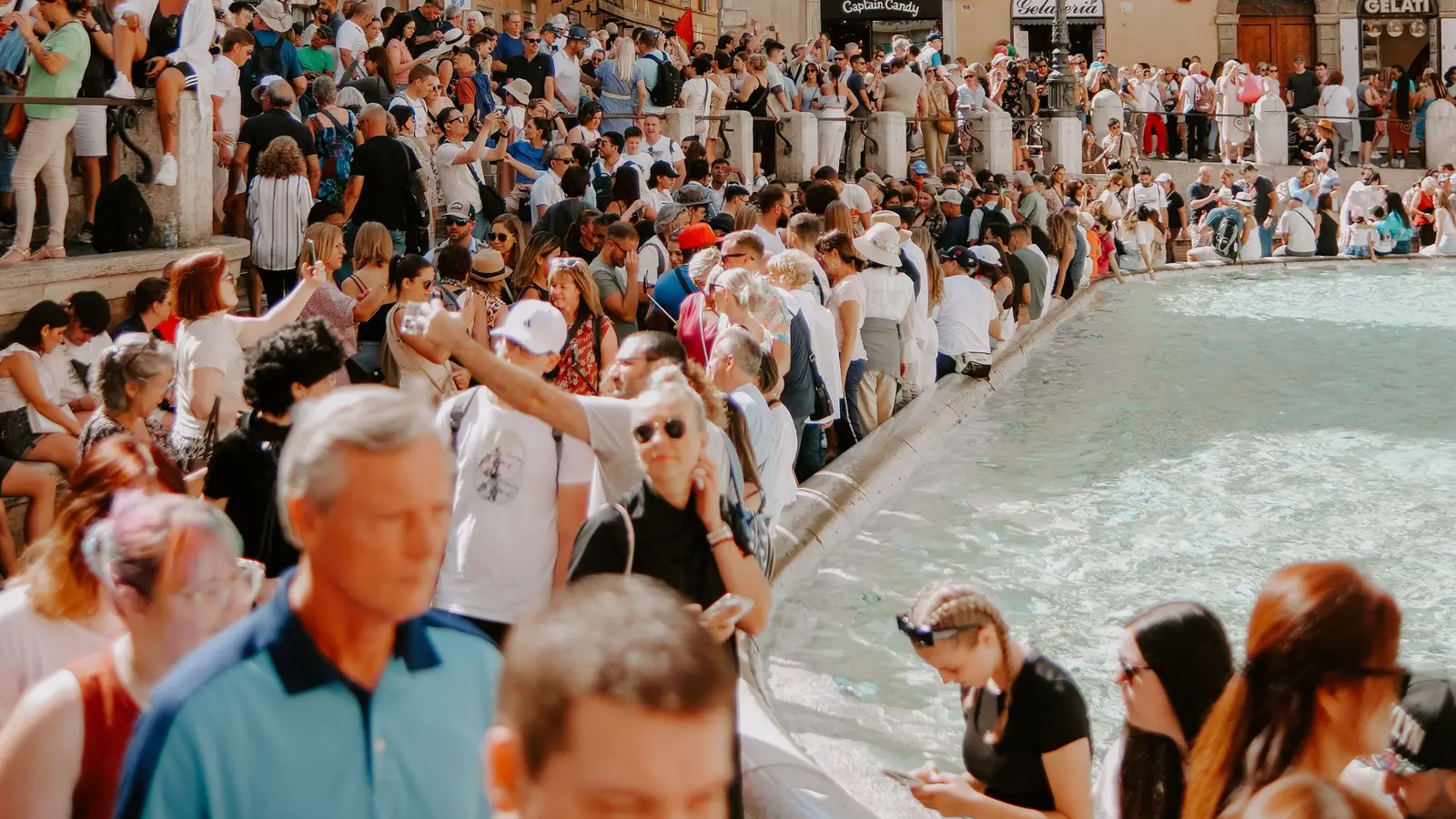
The restaurant with an unobstructed view of the Trevi Fountain, the Colosseum, or the Rialto Bridge is priced for the view, not the food, and it is almost always aimed at one-time visitors rather than repeat local customers. Walk two or three streets back from any major monument and prices tend to drop while quality goes up.
This is a small piece of a much bigger shift in how Italian dining works right now — reservations, closing days, and crowding all interact in ways first-timers don't expect. I cover the full picture, including how far ahead to book and how to find places locals actually eat, in reservations, restaurants, and overtourism in Italy.
6. Tipping Like You're Still in the United States
Tipping in Italy is not expected the way it is in the US, and leaving 20% on every bill marks you as a first-timer fast. The normal pattern at a standard restaurant is to round up the bill or leave a couple of euros in cash; a 5 to 10% tip is reasonable at high-end or fine-dining restaurants, and it's completely acceptable to leave nothing if service was simply adequate.3
Check your bill first: many restaurants already add a coperto (a small per-person cover charge, typically €1 to €3, for bread and table setting) or a servizio (service charge, often 10 to 15%) — if servizio is already included, there's no need to tip on top of it.3 Tip in cash left on the table rather than adding it to a card payment, since card tips rarely make it back to the server.
7. Visiting in August Without Knowing About Ferragosto
Ferragosto, on August 15, is a national holiday, and closures cluster heavily in the ten days surrounding it — roughly August 10 through 20. Many neighborhood restaurants, small shops, and family-run businesses in cities close for a stretch around the holiday, while restaurants and hotels in the major tourist zones and coastal resorts generally stay open, since summer is their busiest season.5
If your trip lands in mid-August, this isn't a reason to cancel — coastal and mountain destinations are in full swing — but it does mean booking key restaurants and checking your target sights' August hours further ahead than usual, and not counting on a specific neighborhood trattoria being open on a whim.
8. Underestimating Travel Time Between Regions
Italy's high-speed Frecciarossa network is genuinely fast between major cities: Rome to Florence runs about 1 hour 15 minutes, Rome to Naples around 1 hour 10 minutes, and Rome to Venice roughly 3 to 3.5 hours on the fastest departures.1 But those numbers only hold city-center to city-center on the Frecciarossa line — they don't apply once you're headed to the Amalfi Coast, Puglia, Sicily, or hill towns off the main rail corridor, where regional trains, transfers, and winding coastal roads add hours that a quick Google Maps search will understate.
Build real buffer into any day that involves changing regions, and don't schedule a museum reservation or dinner booking the same evening you're relocating three hours away.
9. Packing Nothing to Cover Shoulders and Knees
St. Peter's Basilica and most of Italy's major churches enforce a real dress code: shoulders and knees must be covered for everyone, regardless of the weather, and there are no exceptions made at the door.4 Sleeveless tops, shorts, and short skirts will get you turned away at security, even in August heat, and the same standard generally applies at Florence's Duomo, Milan's Duomo, and most other major basilicas.
The fix is easy: pack one lightweight scarf or wrap that can cover shoulders in seconds, and keep a pair of knee-length pants or a longer skirt in your day bag whenever a church visit is on the itinerary. Don't assume you'll swing back to the hotel to change — plan the outfit for the day around the church, not the other way around.
10. Skipping Travel Insurance
US travelers don't need a Schengen visa for short trips to Italy, so travel insurance isn't a legal entry requirement the way it is for some visa applicants — but that doesn't make it optional in practice.8 US health insurance, including Medicare, generally does not cover treatment in Italy, so an injury or illness abroad can mean paying out of pocket for care and, in a worst case, medical evacuation.8
Given that a typical Italy trip runs well into four figures once flights, hotels, and experiences are booked, a policy covering trip cancellation, emergency medical care, and evacuation is a small cost against real exposure. Buy it when you book your first non-refundable deposit, not the week before you fly.
11. Assuming Shops and Restaurants Stay Open All Afternoon
Outside major tourist hubs, plenty of shops — and some restaurants between lunch and dinner service — still close for a few hours in the early-to-mid afternoon, a rhythm often called riposo. Smaller towns and southern Italy hold to this more consistently than Rome, Florence, or Milan city centers, where flagship stores and tourist-facing businesses increasingly stay open through the day.
Don't plan a shopping stop or assume a walk-in lunch is available at 3:30 p.m. in a smaller town — check hours ahead, or shift errands to the morning or early evening when everything reliably reopens.
12. Booking Only Day Tours Instead of Sleeping in Small Towns
Day trips from Florence or Rome are convenient, but they also mean you arrive with the tour-bus crowd around 10 a.m. and leave before towns like Civita di Bagnoregio, Orvieto, or the Cinque Terre villages empty out and turn quiet in the evening. Staying even one night in a small town completely changes the experience — you get golden-hour light, a table at dinner without a crowd, and a morning walk before the day-trippers arrive.
Day tours still have their place for logistics-heavy destinations, but they shouldn't be the default for every stop. I go through how to choose between guided tours, private drivers, and independent exploration in tour booking strategies for Italy — worth reading before you book a full slate of day trips and skip overnight stays entirely.
FAQ
What is the single biggest mistake first-time Italy travelers make?
Overpacking the itinerary. Trying to see too many cities in too few days leaves no room for delays, long lines, or simply enjoying a place, and it's the root cause behind several other mistakes on this list, from missed museum bookings to underestimated travel times.
Do I really need to book museum tickets months in advance?
For the Vatican Museums, Galleria Borghese, and Milan's Last Supper, yes — book as far ahead as the ticketing window allows, since these have strict daily capacity and can sell out weeks or months ahead in high season. The Uffizi and Colosseum are more flexible but still worth booking 4 to 8 weeks out.
Is it rude not to tip in Italian restaurants?
No. Tipping is not expected the way it is in the US. Rounding up the bill or leaving a couple of euros in cash is standard at most restaurants, and 5 to 10% is reasonable only at fine dining. Check whether a servizio charge is already on the bill before adding anything extra.
Should I avoid Italy in August because of Ferragosto?
Not necessarily. Coastal and resort areas are in full swing around August 15, but many city-center neighborhood restaurants and small shops close for a stretch around the holiday. If you're traveling in mid-August, book key restaurants and check attraction hours further ahead than usual.
Do I need a car if I'm only visiting Rome, Florence, and Venice?
No. All three are easily connected by high-speed train, and driving a rental car into any of their historic centers risks a ZTL fine. A car only makes sense if you're spending significant time in the countryside, such as rural Tuscany or Umbria.
What should I pack that first-timers usually forget?
A lightweight scarf or wrap for church visits, since shoulders and knees must be covered at St. Peter's Basilica and most major churches with no exceptions. It's also worth packing layers, since many restaurants and shops don't run heavy air conditioning even in peak summer heat.
If you'd rather avoid learning these lessons the hard way, that's exactly what Italy Awaits Travel is for. Explore our services to see how we build custom, correctly-paced itineraries — with the right museum bookings, train logistics, and small-town overnights already built in — so your first trip to Italy feels like your fifth.
References
- Trenitalia — Travelling on Regional Trains, official ticket validation and schedule information (2026). https://www.trenitalia.com/en/information/travelling-on-regional-trains.html
- Islands.com — The Common Ticket Mistake Tourists in Italy Should Avoid When Taking the Train (2026). https://www.islands.com/1708741/mistakes-to-avoid-in-italy-train-ticket-validation/
- Mom in Italy — Tipping in Italy: A 2026 Guide to When and How Much (2026). https://mominitaly.com/tipping-in-italy/
- Basilica di San Pietro (official Vatican site) — What Is the Dress Code to Visit St. Peter's Basilica? https://www.basilicasanpietro.va/en/faq/what-is-the-dress-code-to-visit-st-peter-s-basilica
- Summer in Italy — Ferragosto, or Why Italy Closes in August. https://www.summerinitaly.com/traveltips/ferragosto-or-why-italy-closes-in-august
- Galleria Borghese — official tickets and reservation information (2026). https://borghese.gallery/tickets/
- Uffizi Galleries — official Tickets page. https://www.uffizi.it/en/tickets
- VisitorsCoverage — Travel Insurance for Italy: Requirements, Coverage & Entry Rules 2026. https://www.visitorscoverage.com/travel-insurance-requirements/italy/