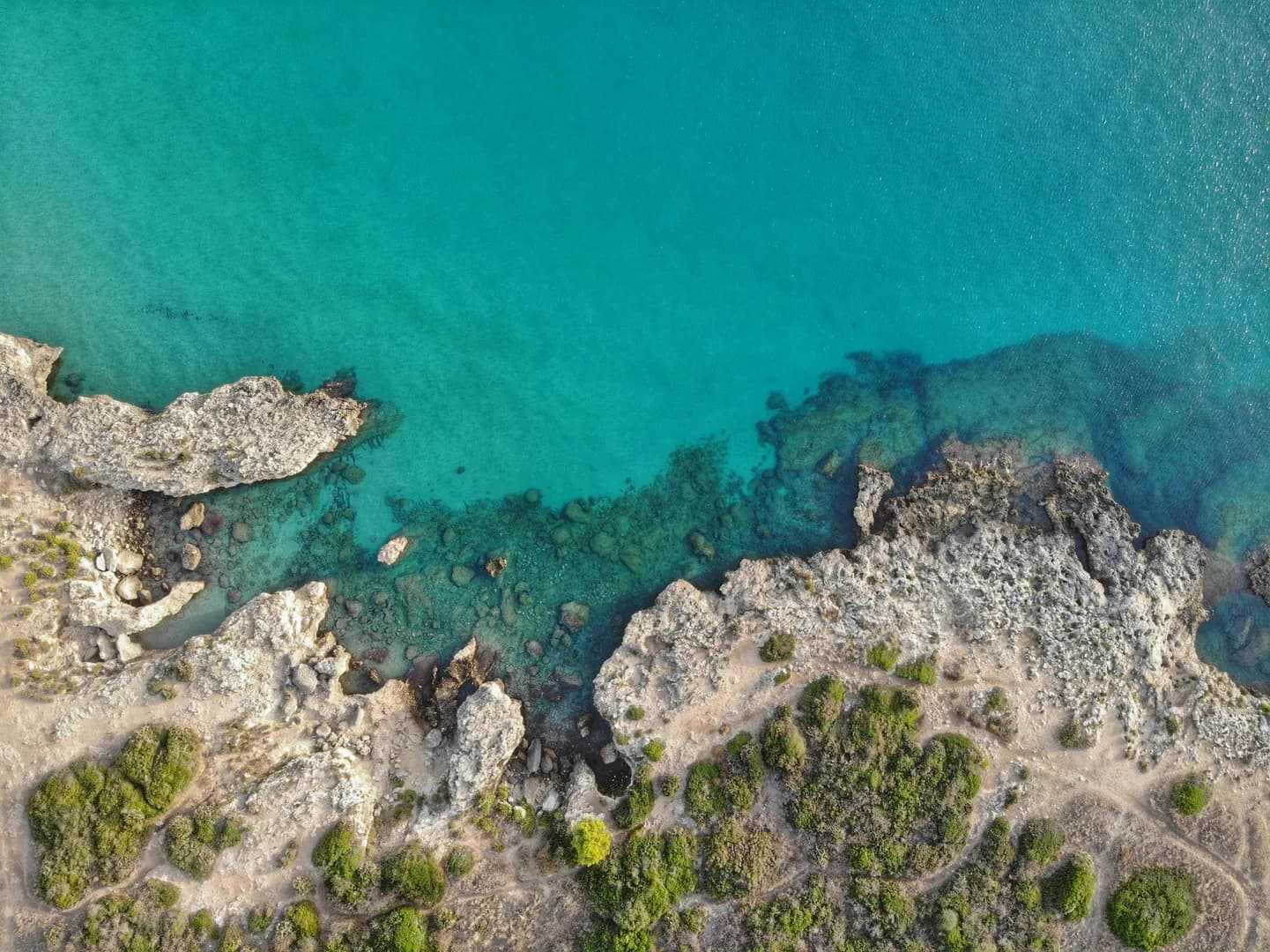
Sicily
Ancient ruins, volcanic drama, and bold flavors
Sicily operates on its own terms, always has. This island at the crossroads of the Mediterranean has been invaded, colonized, and ruled by a succession of civilizations that left their marks on everything from architecture to cuisine to the Sicilian character itself. Greeks, Romans, Arabs, Normans, Spanish, and mainland Italians have all controlled Sicily at various points, and the result is a culture that feels distinct from the rest of Italy, richer and more complex, with flavors and attitudes all its own.
The ancient Greeks considered Sicily the jewel of their western colonies, and the ruins they left behind rank among the most impressive in the Greek world. The Valley of the Temples at Agrigento preserves a row of Doric temples that rival anything in Athens for their preservation and setting. Syracuse once rivaled Athens itself as a center of Greek civilization, and its archaeological park contains a massive theater carved into the hillside, still used for classical performances during the summer festival. These sites offer not merely ruins but windows into a sophisticated civilization that flourished here more than two thousand years ago.
Taormina has attracted visitors since the days of the Grand Tour, and its appeal remains easy to understand. The town occupies a spectacular position on a terrace overlooking the sea, with Mount Etna's volcanic cone forming a dramatic backdrop. The ancient Greek theater, modified by the Romans, provides the setting for summer concerts and film festival screenings. The main street, Corso Umberto, offers shopping and people-watching in equal measure. Critics dismiss Taormina as too touristy, but the beauty of the setting transcends such concerns for most visitors.
Mount Etna dominates the eastern coast of Sicily, Europe's highest and most active volcano, its presence felt throughout the region. The volcano has shaped Sicilian history and culture, destroying cities and enriching the soil with volcanic minerals that make the surrounding farmland extraordinarily fertile. Visiting Etna can mean anything from a gentle drive through vineyards on the lower slopes to a guided hike toward the summit craters. The wines produced from grapes grown in volcanic soil have gained increasing recognition, with Etna DOC becoming one of Italy's most exciting wine regions.
Palermo, the island's capital, presents a more challenging face than picture-perfect Taormina. This is a city of contrasts, where baroque churches stand near bombed-out buildings from World War II, where elegant streets open onto chaotic markets. The markets themselves offer one of Sicily's most visceral experiences, with vendors shouting prices for swordfish steaks, spleen sandwiches, and seasonal produce. The Arab-Norman architecture, recognized by UNESCO as World Heritage, demonstrates how different cultures blended in medieval Sicily to create something unique.
The baroque towns of southeastern Sicily emerged from catastrophe. The earthquake of 1693 devastated this corner of the island, and the rebuilding produced a remarkable concentration of baroque architecture. Noto, Ragusa, and Modica compete for visitors with their honey-colored stone buildings, elaborate church facades, and a sense of coherent urban planning unusual in Sicily. These towns also produce exceptional food, including the chocolate of Modica, made using pre-Columbian techniques brought from Spain, with a grainy texture quite different from modern chocolate.
Syracuse deserves particular attention as one of Sicily's most rewarding destinations. The archaeological park in the modern city preserves the ancient theater, Roman amphitheater, and the mysterious ear-shaped cave known as the Ear of Dionysius. But the heart of Syracuse lies on the island of Ortigia, connected to the mainland by bridges, where narrow streets open onto baroque piazzas and the waterfront promenade offers views across the harbor. Staying in Ortigia puts you in the middle of Syracuse's evening passeggiata, when residents emerge to stroll, socialize, and enjoy the cooling air.
The Aeolian Islands off Sicily's northern coast offer a different character entirely. This volcanic archipelago includes Stromboli, whose constant eruptions provide natural fireworks visible from boats that circle the island at night. Lipari serves as the main hub, with good museums and comfortable infrastructure. Salina produces the sweet Malvasia wine and capers that appear throughout Sicilian cooking. Visitors seeking tranquility might choose tiny Alicudi or Filicudi, where cars are absent and daily life moves at a pace that has barely changed in generations.
Sicilian food stands apart from the rest of Italian cuisine, reflecting all the cultures that have influenced the island. Arab traders introduced citrus fruits, almonds, and rice, which appears in arancini, the fried rice balls stuffed with ragù or cheese that make perfect street food. Caponata, the sweet and sour eggplant preparation, shows Arab influence as well. Pasta with sardines and wild fennel represents one of Sicily's signature dishes. Granita, the icy preparation that locals eat for breakfast with brioche, provides relief from summer heat. And the pastries, from cannoli to cassata, achieve heights of sweetness that reflect the island's sweet tooth.
Getting around Sicily requires planning, as the island is larger than many visitors expect and public transportation does not reach everywhere. Having a car opens up possibilities that bus and train travel cannot match, allowing you to explore at your own pace and reach sites that would otherwise require organized tours. The driving itself can be an adventure, with Sicilian road customs requiring adjustment, but the freedom is worth the effort. Those preferring not to drive can base themselves in well-connected cities and use organized day trips to reach more distant attractions.
Planning a Sicily trip means accepting that you cannot see everything in a single visit. The island rewards return trips, each one revealing new corners and deeper understanding. First-time visitors might focus on the eastern side, combining Taormina, Etna, Syracuse, and perhaps the baroque towns. The west, with Palermo, the temples at Agrigento, and the coastal towns, could fill another trip entirely. However you approach it, Sicily offers experiences found nowhere else in Italy, a destination as rich and complex as any in the Mediterranean world.
Experiences We Can Arrange
Quick Facts
Best Time to Visit
April to June and September to October offer ideal conditions. July and August are very hot, especially inland. Spring brings wildflowers and the famous Infiorata festivals.
Recommended Duration
Seven to ten days minimum to do Sicily justice. The island is larger than many realize, and distances take time.