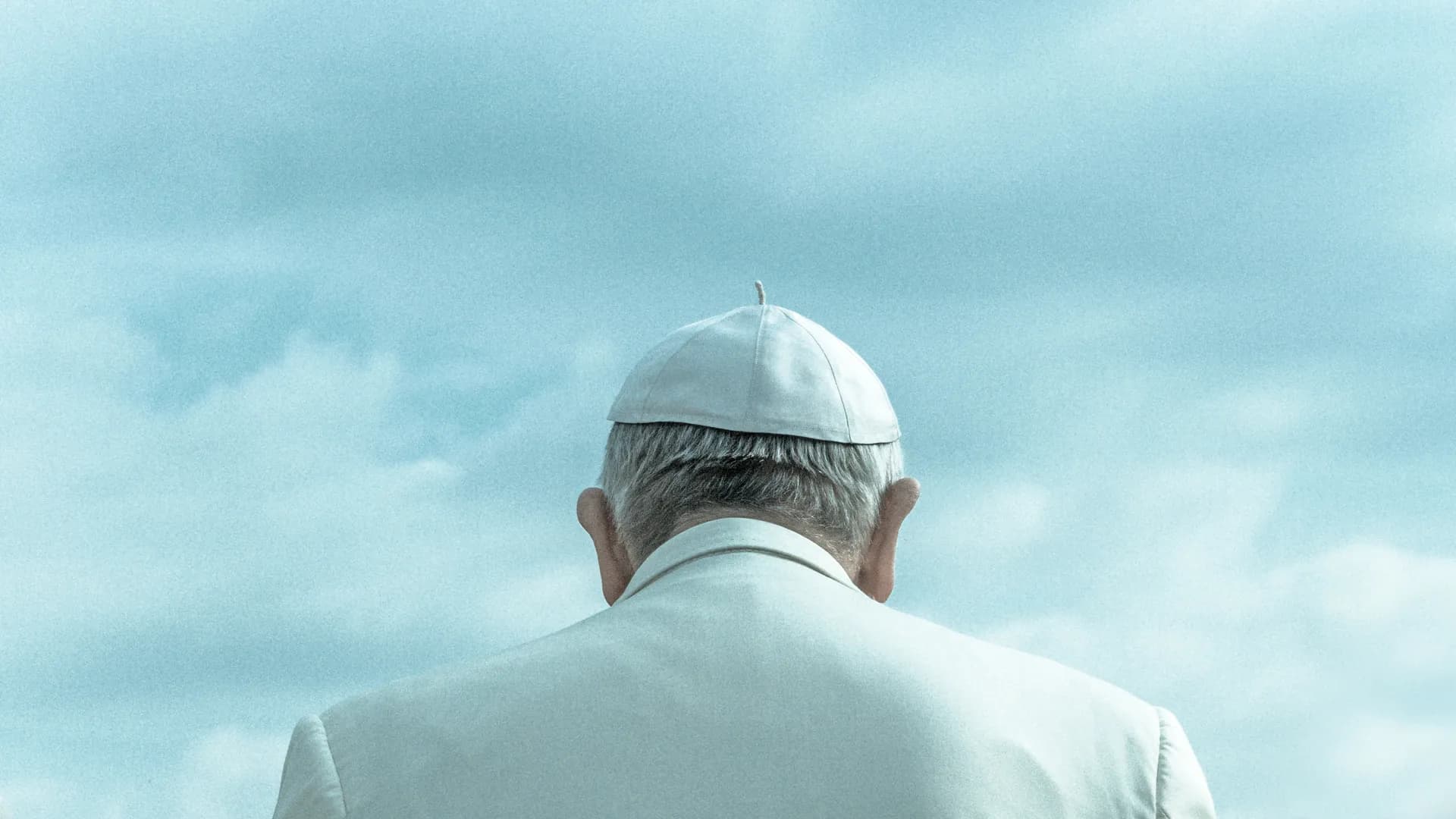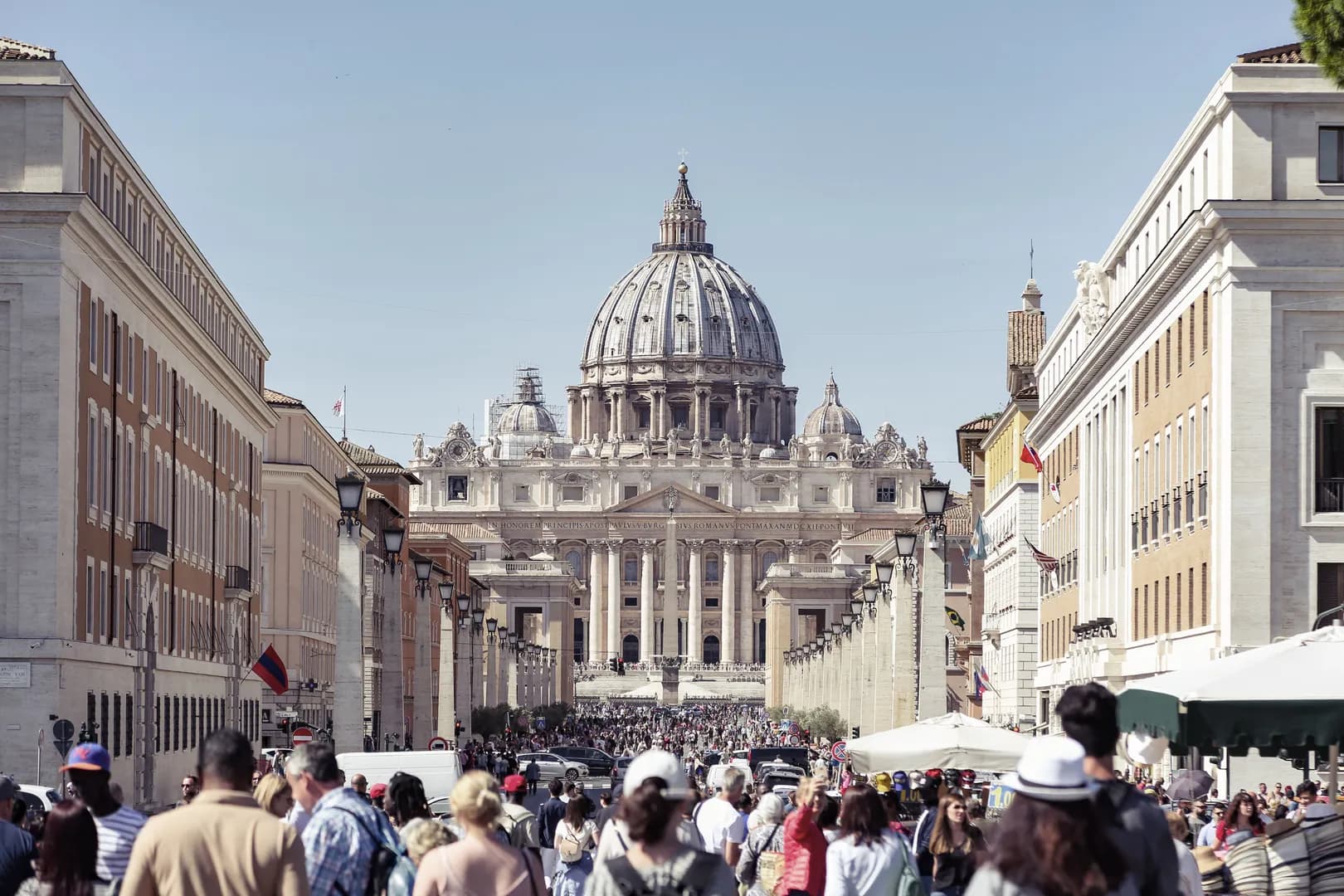

The Jubilee closed its final Holy Door on January 6, 2026, after drawing more than 33 million pilgrims to Rome. The upside for anyone planning a trip now: the city spent 4.8 billion euros pedestrianizing piazzas, cleaning monuments, and expanding the metro, and almost all of it is staying. Rome in 2026 is quieter than during the Holy Year and structurally easier to move around than it was in 2024.
Did the Jubilee Really Bring 33 Million People to Rome?
Yes. The Vatican's Dicastery for Evangelization put the final count at 33,475,369 pilgrims from 185 countries, roughly 90,000 people moving through the city on an average day across the Holy Year.1 That is well above the 30 million originally forecast, and on top of Rome's normal annual tourist volume of around 12 million.2 European visitors made up about 62% of the total, with Italy, the United States, and Spain leading the list of countries of origin.1 The last of the four Holy Doors, at St. Peter's Basilica, was closed by Pope Leo XIV on January 6, 2026, officially ending the Jubilee Year.3
What Actually Got Built, and Is It Still There?
Most of it, yes, and that is the real story for travelers now. Rome's Jubilee plan covered more than 600 projects, and the visible ones are permanent public infrastructure rather than temporary event dressing.4
- Piazza Pia is now a genuine pedestrian square at the foot of Via della Conciliazione, the main approach to St. Peter's. An 85-million-euro project rerouted traffic underground through an extended Lungotevere in Sassia underpass, and the surface plaza can hold up to 150,000 people.5 Walking from Castel Sant'Angelo toward the Vatican no longer means dodging traffic across a chaotic intersection.
- The Trevi Fountain was cleaned of pollution and limescale buildup ahead of the Jubilee, and it now operates under a timed-entry system: visits are capped at 400 people at a time, booked online for a 2-euro fee per 30-minute slot.6 That booking requirement is staying in place for 2026 and is worth building into any Rome itinerary.
- Bernini's fountains in Piazza Navona — the Fountain of the Four Rivers, the Moor, and Neptune — were restored for the first time in twenty years and have reopened without scaffolding.7
- The angel statues on Ponte Sant'Angelo, also Bernini's work, were cleaned and are visibly brighter crossing the bridge toward Castel Sant'Angelo.7
- Metro Line C gained two new central stations, Colosseo–Fori Imperiali and Porta Metronia, which opened to the public on December 16, 2025, finally bringing the city's newest subway line within walking distance of the Colosseum.8
- Piazza Risorgimento and Via Ottaviano, both key walking routes between the metro and St. Peter's, were partially pedestrianized, and the area around Termini Station, including Piazza dei Cinquecento, was repaved with reorganized taxi and bus lanes.4
None of this was torn down when the Jubilee ended. It is now simply how Rome works.
Is Rome Less Crowded Now That the Jubilee Is Over?
Meaningfully, yes, though "quiet" is relative for a city that hosts 12 million visitors a year even in an ordinary one. Vatican Museums attendance in January and February 2026 ran roughly 30% below the same months during the Jubilee year, and tour operators are reporting shorter standalone queues that have carried through into spring.9 Hotel rates in central Rome have eased back from Jubilee peaks, and restaurants that required advance reservations throughout 2025 are, in many cases, taking walk-ins again.9
What is different from pre-Jubilee Rome, though, is capacity. Wider pedestrian zones near the Colosseum along Via di San Gregorio, upgraded transit with contactless "tap and go" payment across buses and metro, and the new fee-based entry systems at sites like the Trevi Fountain and the Pantheon mean the same volume of visitors now moves through the city with less friction than it did in 2023 or 2024.10 A number of travelers who postponed trips to skip the Jubilee crowds are now arriving in 2026, so Rome is not empty, but it is handling its crowds far better.9
Is 2026 a Good Year to Book a Trip to Rome?
For most travelers, yes, and arguably a better year than 2025 was. You get the benefit of the restoration work and infrastructure upgrades without the daily pilgrim volume that defined the Holy Year. If you want the calendar's easiest stretch, March and the second half of October through mid-November tend to bring cooler crowds along with mild weather.9 If your dates are fixed to summer, book accommodations and skip-the-line tickets early regardless, since Rome's underlying popularity has not gone anywhere. Our guide to the best time to visit Italy holds up well against 2026 conditions.
What Should You Actually See Differently Now?
Build your Rome days around the corridors that changed. Start at Rome itself with a walk from Castel Sant'Angelo across the new Piazza Pia toward St. Peter's Square, something that was genuinely unpleasant to do on foot before the Jubilee works. Reserve your Trevi Fountain time slot in advance rather than assuming you can walk up. If the Colosseum and Roman Forum are on your list, the new Colosseo–Fori Imperiali metro stop makes them easier to reach without a taxi. Our perfect three-day Rome itinerary already builds in these routes, and if Rome is one stop on a longer trip, our ten-day first-time Italy itinerary shows how to balance it against the rest of the country.
I have been coming back to Rome regularly since I finished my graduate work in Roman archaeology, and I have not seen this many restoration projects land at once since the run-up to the Jubilee 2000. Whatever you think about the reasons behind the construction, the result is a city that is easier to walk, easier to photograph, and, for the first time in years, easier to book without panic.
What Was the Jubilee, for Anyone Catching Up
For readers who missed the original coverage: a Jubilee, or Holy Year, is a Catholic tradition rooted in the biblical concept of a jubilee, from the Hebrew "yobel," a ram's horn trumpet marking a year of liberation described in Leviticus. Pope Paul II fixed the interval at 25 years in 1470. During a Jubilee, Holy Doors are opened at Rome's four papal basilicas — St. Peter's, St. Paul Outside the Walls, Santa Maria Maggiore, and St. John Lateran — and pilgrims who pass through them receive a special blessing. The 2025 Jubilee, themed "Pilgrims of Hope," ran from December 24, 2024 through January 6, 2026, and included a rare public display of the Shroud of Turin in the Turin Cathedral during May and June 2025.
If you are curious about how the Church chose its current pope during this period, or want the full story behind the Shroud of Turin's rare public display, those are topics we have covered in depth elsewhere on this blog.
If you're weighing how much of this to build into your own itinerary, or want help booking around the sites that still require advance reservations, that is exactly the kind of planning our travel planning services are built for.
FAQ
How many pilgrims came to Rome during the 2025 Jubilee?
The final Vatican count was 33,475,369 pilgrims from 185 countries, exceeding the original forecast of roughly 30 million and averaging about 90,000 visitors in Rome per day across the Holy Year.
When did the Jubilee officially end?
The Jubilee closed on January 6, 2026, when Pope Leo XIV closed the Holy Door at St. Peter's Basilica, the last of the four papal basilicas to close its door. The other three basilicas' Holy Doors were closed in late December 2025.
Is Rome still crowded in 2026?
Less than it was during the Jubilee, but Rome remains a heavily visited city year-round. Vatican Museums attendance in early 2026 ran about 30% below the same months in 2025, and queues have shortened, but summer and major holidays still draw significant crowds.
Do I need to book the Trevi Fountain in advance now?
Yes. Since the Jubilee-era restoration, visits to the Trevi Fountain area are capped at 400 people at a time, and you need to reserve a 30-minute slot online for a small fee. This system stayed in place after the Jubilee ended and is worth building into your Rome plans.
Are the Jubilee construction projects finished?
Most of the major ones are complete, including Piazza Pia, the Trevi Fountain and Piazza Navona fountain restorations, the Ponte Sant'Angelo statues, and two new Metro Line C stations. A handful of smaller neighborhood projects, including further pedestrianization near the Roman Forum, are still in progress into 2026.
References
- Vatican News, "Over 33 million pilgrims came to Rome for Jubilee Year," January 2026. vaticannews.va
- Culturae Heritage Services, "Visiting Rome After the Jubilee 2026," independent Vatican Museums ticketing guide. vatican.museum
- Wikipedia, "2025 Jubilee." en.wikipedia.org
- Eurocities and Rome city planning coverage of the Jubilee 2025 infrastructure plan, 4.8 billion euro investment across 600+ projects. eurocities.eu
- FS Italiane / ANAS press release, "Jubilee: completed the works on Piazza Pia and the extension of the Lungotevere in Sassia underpass," December 2024. fsitaliane.it
- CNN Travel, "Trevi Fountain: Rome's iconic attraction reopens after renovation work in time for the Jubilee Holy Year," December 2024. cnn.com
- Through Eternity Tours, "Rome Restored," and euroweeklynews.com coverage of Piazza Navona and Ponte Sant'Angelo restorations. througheternity.com
- Roma-O-Matic / Metro C Scpa, coverage of the Colosseo-Fori Imperiali and Porta Metronia station openings, December 16, 2025. roma-o-matic.com
- Romewise, "Rome Has Transformed: What to Expect in Rome in 2026." romewise.com
- Romewise, infrastructure and pedestrianization updates for Via di San Gregorio, Metro Line C, and public transit payment systems. romewise.com