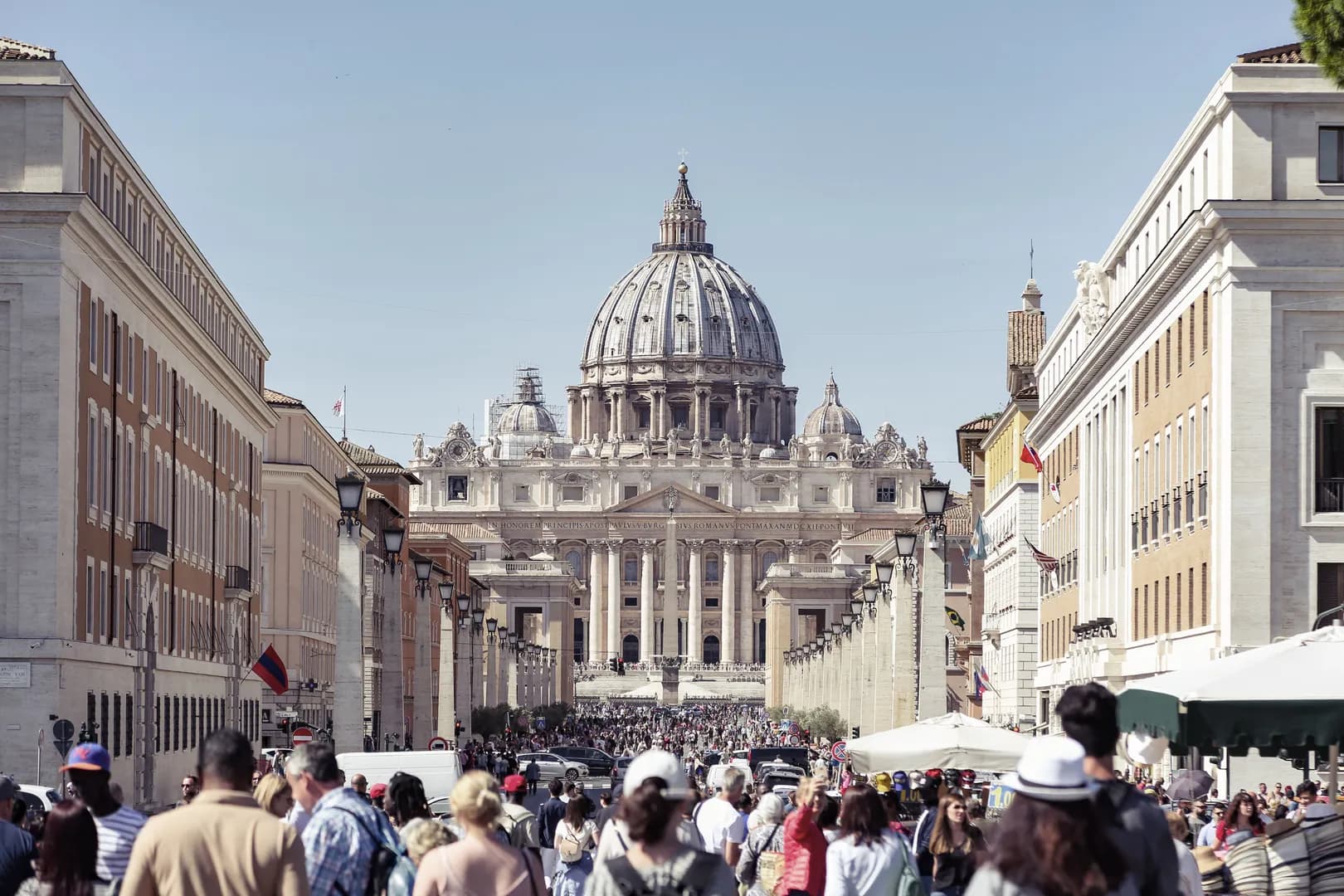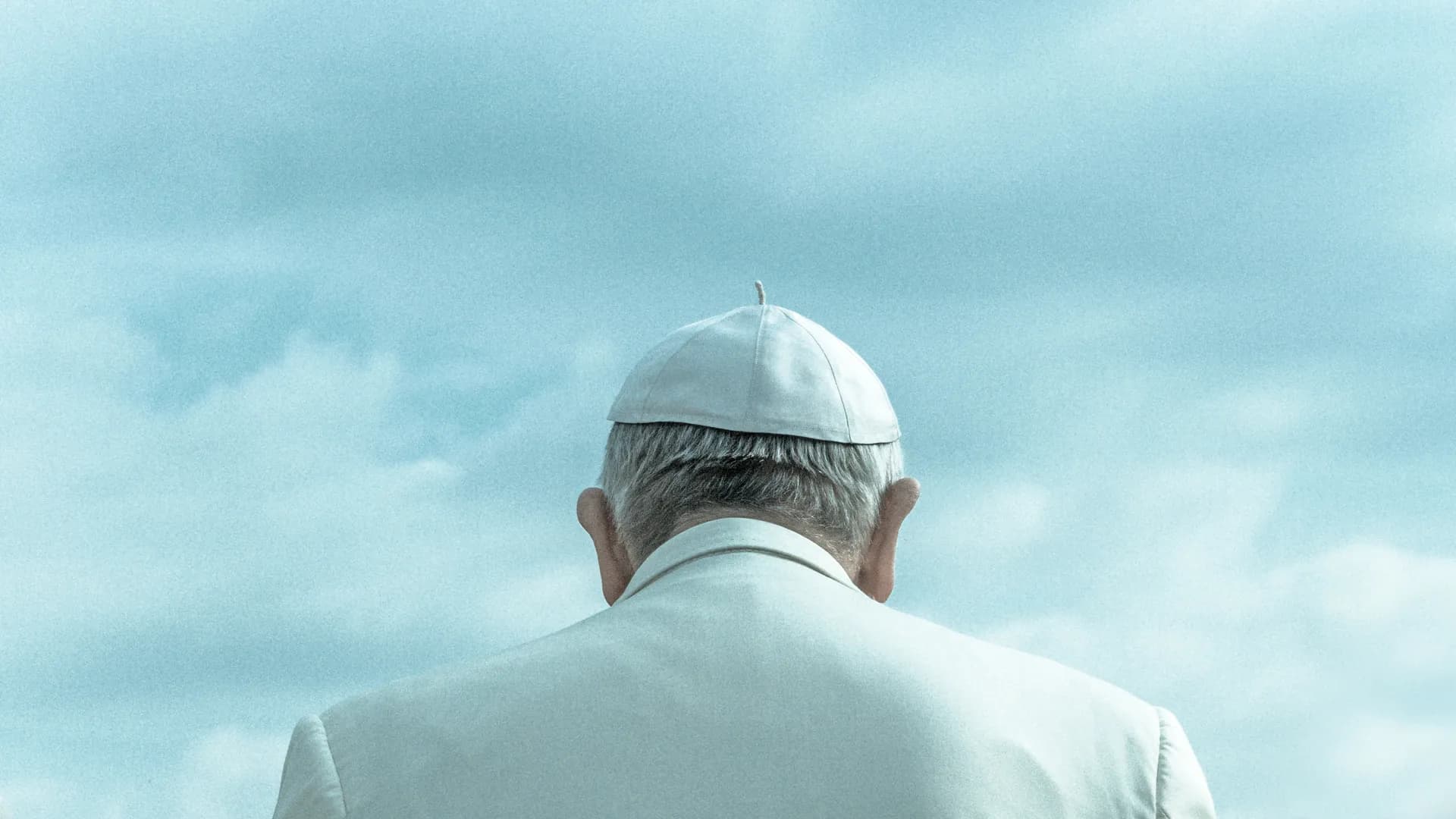

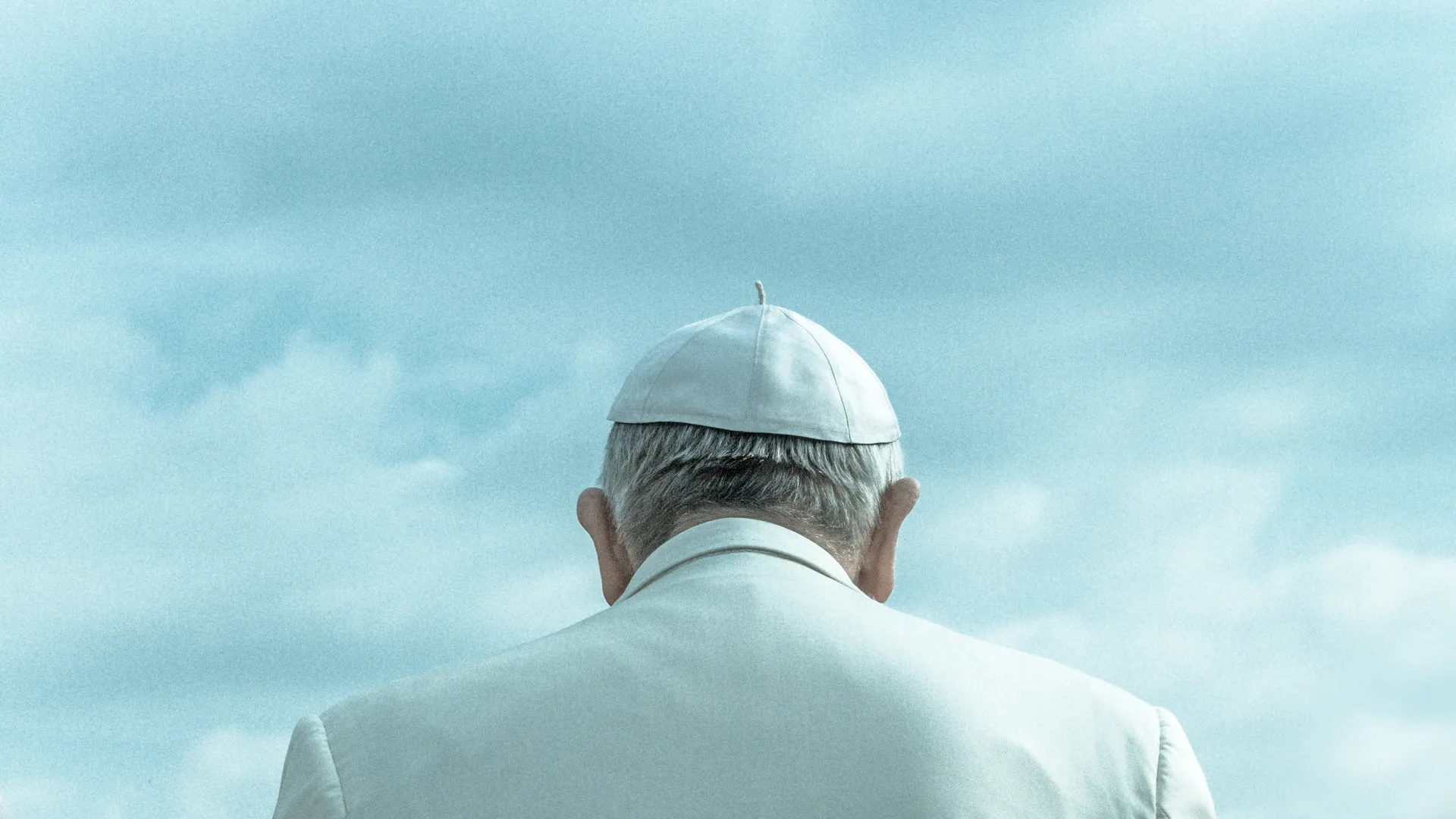
Church rituals have withstood the test of time in remarkable ways, and travelers planning a Jubilee-year trip to Italy often find themselves curious about the traditions behind the headlines. The conclave stands among the most enduring traditions, an ancient ritual cloaked in secrecy but of absolute importance in sustaining the life of the Catholic Faith. A conclave is held to elect a new Pope when the current Pope resigns or dies while in office. Hollywood has produced many films depicting the drama of papal elections, but only a few humans ever witness the inner workings of this centuries old tradition.
Who Are the Members of the Conclave?
A conclave is made up of the College of Cardinals and is called specifically for the purpose of selecting a new Pope. A cardinal is a bishop or archbishop, and this College of Cardinals is represented by bishops and archbishops from all over the globe. It is truly a uniting of nations. To be a member of the College of Cardinals, one must be personally chosen by the Pope himself. Cardinals are recognized by their bright red vestments.
A conclave consists of 120 electors, and only cardinals under the age of 80 are allowed to vote for Pope. Church law states that only a bishop can be chosen as Pope, and therefore the College of Cardinals will select one of their own members to serve as the new leader of the Church.
During the conclave, nine cardinals are chosen at random to serve as support staff during the vote. Three serve as scrutineers or voting judges, three serve as ballot collectors for cardinals who are too ill to leave their quarters, and three serve as revisors who check the work of the scrutineers.
Preparation and distribution of paper ballots is handled by two Masters of Ceremonies who are among a handful of non-cardinal members allowed into the chapel.
How Does the Conclave Work?
The conclave operates under strict secrecy and isolation so that no outside influence can affect the voting process. On Day 1 of the conclave, morning mass is held and then the cardinals enter the Sistine Chapel. On this first day, one ballot vote is allowed in the afternoon session. On days two and three, ballot votes can occur twice in the morning session and twice in the afternoon session. If no decision is reached, the cardinals pause on day four and resume the daily ballot voting on day five.
The Voting Process
During voting sessions, each cardinal receives a paper ballot. The top half of the ballot reads "Eligo in Summum Pontificem" which translates to "I elect as Supreme High Pontiff." The bottom half is blank for writing in their chosen candidate.
While voting takes place, all non-cardinals leave the chapel while the cardinals secretly fill out their paper ballots. The cardinals fold their ballots two times. Each cardinal then walks their ballot to the altar, holding up the folded ballot for all to see. He places the ballot on a plate and then slides it inside a chalice.
Once all ballots are cast, the first scrutineer shakes the chalice and transfers the ballots to an urn. The ballots are counted to verify that the number of ballots corresponds to the number of voting cardinals. Each ballot is read aloud, and all three scrutineers analyze each ballot, recording names as votes are counted.
A two thirds majority is required for a new Pope to be elected. The last scrutineer pierces each ballot with a needle and thread through the word "eligo." Ballots are then burned immediately after each count.
The Smoke Signals
The smoke rising from the Sistine Chapel chimney is the only signal of what is occurring inside.
If a Pope has been chosen, the ballots are burned dry to produce white smoke. Church officials also add special chemicals to ensure the smoke appears clearly white.
If the vote has failed to produce a winner, the ballots are burned with wet straw or chemical additives, and the smoke appears black.
People gathered in St. Peter's Square watch the chimney anxiously, waiting to see whether the smoke will be black or white. When white smoke finally appears, the crowd erupts in celebration knowing that a new Pope has been chosen.
The Sistine Chapel: More Than a Tourist Attraction
Many tourists see the Sistine Chapel as a magnificent work of art and architecture, a place to admire the genius of Michelangelo's Last Judgement and the beautifully painted ceiling. The walls are adorned with frescoes by other Renaissance masters including Botticelli, Perugino, and Ghirlandaio. However, the Sistine Chapel is one of the most important areas of the Vatican and has been the site of countless conclaves throughout history.
Experiencing the Vatican as a Visitor
If you are fortunate enough to spend time in Rome and visit the Vatican Museums along with St. Peter's Basilica, take a moment to see it as something more than a tourist attraction. This is the home of the Catholic Church and the residence of the Pope. It is a privilege that they open their doors to visitors from all over the world.
If you find yourself sitting along the benches in the Sistine Chapel, take time to look away from the ceiling and focus on the central altar. Consider that this very space has witnessed the election of popes for centuries. The rituals that take place here connect the modern Church with its ancient traditions. You are basking in living history.
Frequently Asked Questions
How long does a papal conclave last?
There is no set time limit for a conclave. Some have concluded after just one day with a few ballots, while others have lasted for weeks. The cardinals continue voting until one candidate receives a two thirds majority.
Can anyone become Pope?
Technically, any baptized Catholic male can become Pope. However, in practice, the College of Cardinals always selects one of their own members. Church law requires that the Pope be a bishop, and all cardinals eligible to vote in the conclave hold that rank.
Why is the Sistine Chapel used for the conclave?
The Sistine Chapel has been used for papal elections since the 15th century. Its location within the Vatican provides the necessary isolation and security, and its sacred significance makes it an appropriate setting for such an important spiritual decision.
What do the different smoke colors mean?
White smoke signals that a new Pope has been successfully elected. Black smoke indicates that the vote did not produce a winner and the conclave continues. The smoke signals allow people waiting in St. Peter's Square to know the outcome without any verbal announcement.
References
- Vatican documentation on papal conclave procedures and the Apostolic Constitution governing papal elections.
- Historical records of papal conclaves held in the Sistine Chapel since the 15th century.
- Canon law requirements regarding the composition and voting procedures of the College of Cardinals.