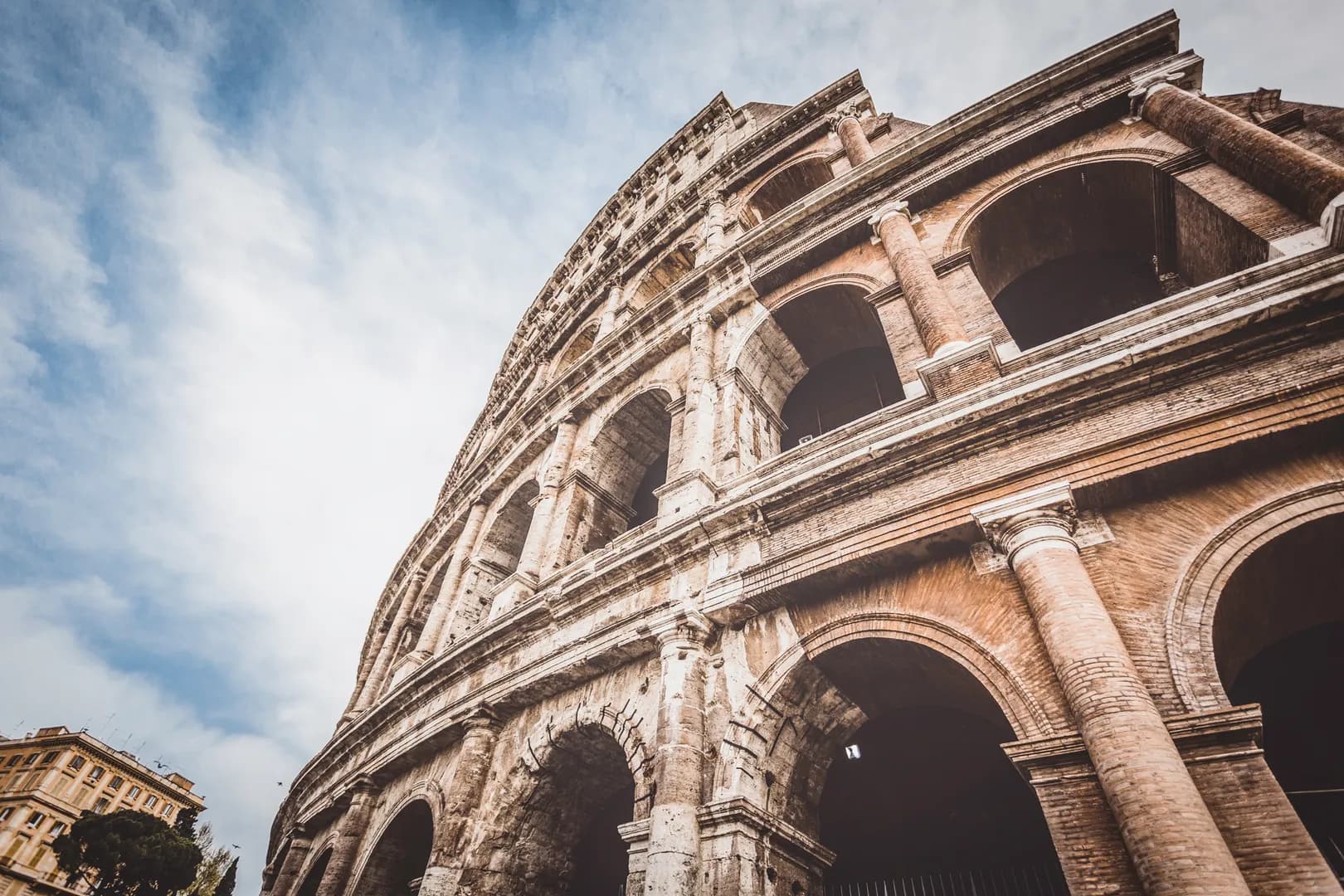

The best 10-day Italy itinerary for first-time visitors is Rome (4 nights), Florence (3 nights, with one day trip into Tuscany), and Venice (2 to 3 nights), connected by high-speed train. It is the classic route for a reason: three cities is the realistic maximum for ten days without turning your trip into a series of train platforms, and this order lets you fly into Rome and out of Venice without backtracking. Below is the exact day-by-day plan I give clients booking their first trip to Italy, along with verified train times, museum booking windows, and where this route can flex.
What Is the Best 10-Day Italy Itinerary for First-Time Visitors?
The best first-time itinerary is Rome for 4 nights, Tuscany's capital Florence for 3 nights, and Venice for 2 to 3 nights, in that order. This sequencing follows the natural geography of the peninsula from south to north, keeps every train leg under three hours, and matches an open-jaw flight into Rome and out of Venice. Here is how I lay out the ten days for someone visiting Italy for the first time:
| Day | Base | Focus |
|---|---|---|
| 1 | Rome | Arrive Fiumicino (FCO), settle in, easy orientation walk near your hotel |
| 2 | Rome | Vatican Museums, Sistine Chapel, St. Peter's Basilica, Trastevere |
| 3 | Rome | Christian catacombs, Piazza del Popolo, Spanish Steps |
| 4 | Rome | Colosseum, Roman Forum, Palatine Hill, Pantheon, Trevi Fountain |
| 5 | Rome to Florence | Morning free in Rome, Frecciarossa or Italo to Florence, Duomo and Piazza della Signoria |
| 6 | Florence | Accademia Gallery (Michelangelo's David), Uffizi Gallery, Oltrarno and Ponte Vecchio |
| 7 | Tuscany day trip | Chianti countryside, Siena, and/or San Gimignano |
| 8 | Florence to Venice | Morning in Florence, high-speed train to Venice, St. Mark's Square and Doge's Palace |
| 9 | Venice | Grand Canal by vaporetto, Rialto Market, Murano and Burano |
| 10 | Venice | Depart from Venice Marco Polo (VCE), or add a 3rd night here |
I cover the full Rome sequence in detail, hour by hour, in The Perfect 3-Day Itinerary for Rome — that post is the deep dive for days 1 through 4 above, including which Vatican tour format to book and how to handle the catacombs' ticketing quirks. Use it alongside this itinerary rather than re-reading the details here.
How Do You Travel Between Rome, Florence, and Venice?
You travel between all three cities by high-speed train, and the whole route runs on two competing operators: state-owned Trenitalia (Frecciarossa) and privately run Italo. Both serve Roma Termini, Firenze Santa Maria Novella, and Venezia Santa Lucia directly, with no need to change trains.
Rome to Florence is the shortest leg. Trenitalia's fastest Frecciarossa services cover it in as little as 1 hour 12 minutes, with typical journeys closer to 1 hour 30 minutes, and both operators run well over 100 departures a day between the two cities combined.1 Italo's base economy fares on this route start around €14.90, though realistic day-of-travel pricing for a reserved seat is more often in the €25 to €90 range depending on time of day, class, and how far ahead you book.2
Florence to Venice is the longer leg, at roughly 1 hour 51 minutes on the fastest direct high-speed services and closer to 2 to 2.5 hours on average, with around 15 to 17 direct trains a day.2 Both companies release most high-speed fares 90 to 120 days ahead of travel, and you can typically still buy a ticket the day before departure if seats remain, so there is no need to lock in exact train times when you first book your trip. I do recommend booking your specific departures 3 to 4 weeks ahead in shoulder season and 6 to 8 weeks ahead in summer, since the cheapest fare tiers sell out first.
One more thing worth knowing before you build a tight connection around a train: Italy's rail unions strike with some regularity, and it is announced in advance rather than random. I have written a full breakdown of how strike notices work, which trains are protected, and how to build buffer time into a trip like this one in Train Travel in Italy: What to Know About Strikes, Reliability, and Planning Your Journey — read that before you finalize connection times to a cruise or flight.
Which Museums Need Advance Booking, and How Far Ahead?
Every major sight on this itinerary now requires a timed-entry ticket, and each one opens its booking window at a different point, so you cannot book them all on the same day. Here is what I verify for every client before I build their trip:
- Colosseum, Roman Forum, and Palatine Hill: Tickets are released exactly 30 days in advance through the official Parco Archeologico del Colosseo platform, typically going live around 8:30 AM Rome time. In practice, book 2 to 3 weeks ahead in spring and fall, and 4 to 6 weeks ahead (as early as the slot allows) in summer, since underground and arena-floor access sells out within hours of release.3
- Vatican Museums and Sistine Chapel: Tickets open 60 days ahead on the official Vatican site. Reserve at least a month out for a preferred early-morning slot; summer Saturdays, Easter week, and the Christmas period can sell out weeks in advance.4
- Uffizi Gallery: Florence's state museums release tickets on a rolling roughly two-month window (the April to December 2026 window opened in early February 2026). Book 3 to 4 weeks out in shoulder season, and 1 to 2 months out for summer or Easter week visits.5
- Accademia Gallery (Michelangelo's David): Book through the official Firenze Musei system 2 to 4 weeks ahead for summer, 1 to 2 weeks for spring and fall. As of March 2026, a combined ticket covering both the Accademia and the Bargello Museum is available for 48-hour access.6
- The Last Supper (a note, not a stop on this route): Leonardo's Last Supper lives in Milan, which is not part of this itinerary. It is worth knowing anyway, because it is the single hardest-to-book sight in Italy: tickets release in three-month blocks roughly four months out and routinely sell out within 48 hours.7 If you want a Last Supper without a Milan detour, Florence has its own, far less crowded, alternative: Domenico Ghirlandaio's 1480 fresco at the Convent of Ognissanti is free to visit and rarely has more than a handful of other visitors, though it is only open Mondays and Saturdays, 9 AM to 1 PM.8
I generally tell clients to book the Colosseum and Vatican first, since their windows are shortest and least flexible, then work backward from there once flight dates are locked.
Why Is Three Cities the Maximum for Ten Days?
Three cities is the practical ceiling for a 10-day Italy trip because each destination change costs the better part of a day once you account for checkout, transfer, check-in, and re-orientation, even with train legs under three hours. With 4 nights in Rome, 3 in Florence, and 2 to 3 in Venice, you get two travel days total and eight or nine full days of actual sightseeing. Add a fourth city and you are trading one more full day for two half-days spent moving luggage.
I have watched plenty of first-time itineraries try to squeeze in Cinque Terre, the Amalfi Coast, and Milan on top of this route in the same ten days, and it is almost always a mistake. You end up with one rushed morning per place and no memory of any of them beyond a train platform. Rome alone rewards four full days; trying to "also" fit in a fourth region on the same trip usually means shortchanging the cities that actually justify the flight.
Should You Fly Into Rome and Out of Venice?
Yes — an open-jaw flight into Rome Fiumicino (FCO) and out of Venice Marco Polo (VCE) is the most efficient way to book this itinerary, since it follows the same south-to-north direction as the trains and avoids any backtracking. Multiple daily flights connect the two airports directly in just over an hour if you ever need a backup option, which confirms the route is well served, though you will not need that flight for the itinerary itself.9
Open-jaw tickets (into one city, home from another) are priced by most airlines as two one-way segments or a single combined fare, and in my experience they rarely cost meaningfully more than a round-trip into a single airport. It is worth pricing both ways before you book, but do not let a small fare difference talk you into flying back to Rome just to fly home — the extra travel day is rarely worth the saving.
Should You Swap Venice for the Amalfi Coast in Summer?
Yes, this is a reasonable swap if you are traveling in July or August, when Venice's heat, humidity, and cruise-ship crowds are at their worst and the Amalfi Coast is at its most alive. The trade-off is logistics: the Amalfi Coast is south of Rome, not north of Florence, so this variation works best as Amalfi Coast (or Sorrento) first, then Rome, then Florence, flying into Naples and out of Rome or Florence instead of the Rome-to-Venice open jaw described above.
Rome to Naples by Frecciarossa takes about 1 hour 10 minutes at its fastest, with roughly 50 direct trains a day, and Naples connects onward to Sorrento and the coast by regional rail or private transfer.1 I usually recommend this swap only for travelers who have already done Venice, or who are visiting in peak summer and prioritize swimming and coastal scenery over canals. If it is genuinely your first trip to Italy, I still lean toward keeping Venice on the list and simply front-loading your Venice days with the vaporetto and islands early in the morning, before the day-trip crowds arrive.
How Italy Awaits Travel Helps First-Time Visitors Plan This Route
Getting the sequencing right is only part of the job — the real work is matching train departures to museum slots, choosing which neighborhood to sleep in in each city, and building in enough slack that one delayed train does not unravel the whole trip. At Italy Awaits Travel, this is what I do for a living: I hold a Masters in Roman Archaeology and have spent decades building itineraries across Italy for US-based travelers, and a first Rome-Florence-Venice trip is one of the routes I plan most often.
If you would like this itinerary built around your actual dates, hotel preferences, and interests rather than a generic template, take a look at our trip planning services — I would be glad to help you turn this outline into a real, bookable trip.
FAQ
Is 10 days enough time for Rome, Florence, and Venice?
Yes, 10 days is enough for a well-paced first visit to all three cities, provided you accept that you are seeing the highlights rather than every possible sight. Four nights in Rome, three in Florence, and two to three in Venice gives you roughly eight full days of sightseeing once travel days are subtracted.
Should I book Rome, Florence, and Venice hotels before or after train tickets?
Book your hotels first, since availability and neighborhood matter more to your trip than the exact train time, then book trains once your dates are fixed. Trenitalia and Italo both release most fares 90 to 120 days ahead, and you can usually still find a seat the week of travel if needed.
Do I need to pre-book every museum on this itinerary?
For the Colosseum, Vatican Museums, Uffizi, and Accademia, yes — all four now require timed-entry tickets and the popular slots sell out, especially in summer. Smaller sights and churches generally do not require advance booking.
Is Florence to Venice a long train ride?
No, it is a comfortable trip: the fastest direct high-speed trains cover it in under 2 hours, with most journeys closer to 2 to 2.5 hours. It is an easy half-day travel window that still leaves you time to sightsee in Venice the same evening.
Can I do this itinerary in the opposite direction, Venice to Rome?
Yes, the itinerary works in either direction; I default to Rome-Florence-Venice mainly because it pairs well with a Rome-in, Venice-out flight. If your flights favor the reverse, flip the order and the pacing advice still holds.
What is the biggest mistake first-time visitors make with this route?
Adding a fourth city or region to save on a future trip. Ten days already asks a lot of three cities; a fourth stop usually means two rushed half-days instead of one more full day somewhere you already planned to be.
References
- Trenitalia, official Frecciarossa service page, describing high-speed network coverage, top speeds, and journey times on the Rome-Florence and Rome-Naples corridors (2026).
- Italo (NTV), official route and fare pages for Rome-Florence and Florence-Venice, listing base fares, journey times, and daily departure counts (2026).
- Parco Archeologico del Colosseo, official ticketing platform and visitor guidance describing the 30-day advance release window for Colosseum, Roman Forum, and Palatine Hill tickets (2026).
- Vatican Museums, official tickets and pricing page, describing the 60-day advance booking window and seasonal demand patterns (2026).
- Uffizi Galleries, official tickets page, describing the rolling roughly two-month advance booking window and 2026 seasonal release dates.
- Galleria dell'Accademia di Firenze (Firenze Musei), official tickets page, describing recommended booking lead times and the March 2026 combined ticket with the Bargello Museum.
- Museo del Cenacolo Vinciano, official website, describing the quarterly ticket release schedule and typical sellout timing for Leonardo da Vinci's Last Supper in Milan.
- Visit Florence, guide to the Cenacolo di Ognissanti, describing Domenico Ghirlandaio's 1480 Last Supper fresco, its free admission, and its limited Monday and Saturday opening hours.
- Flight route data for Rome Fiumicino (FCO) to Venice Marco Polo (VCE), showing multiple daily direct flights and a flight time of just over one hour (2026).