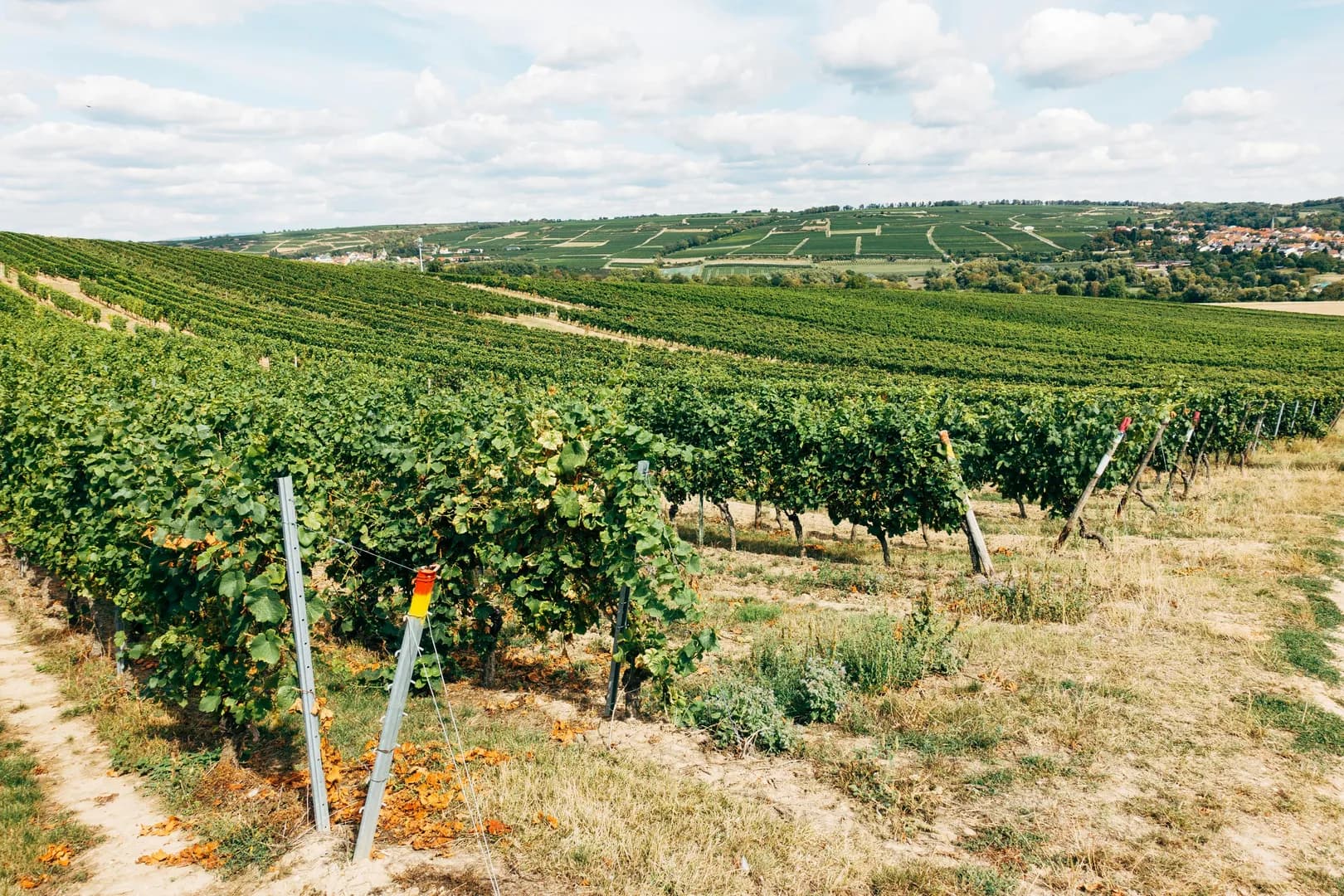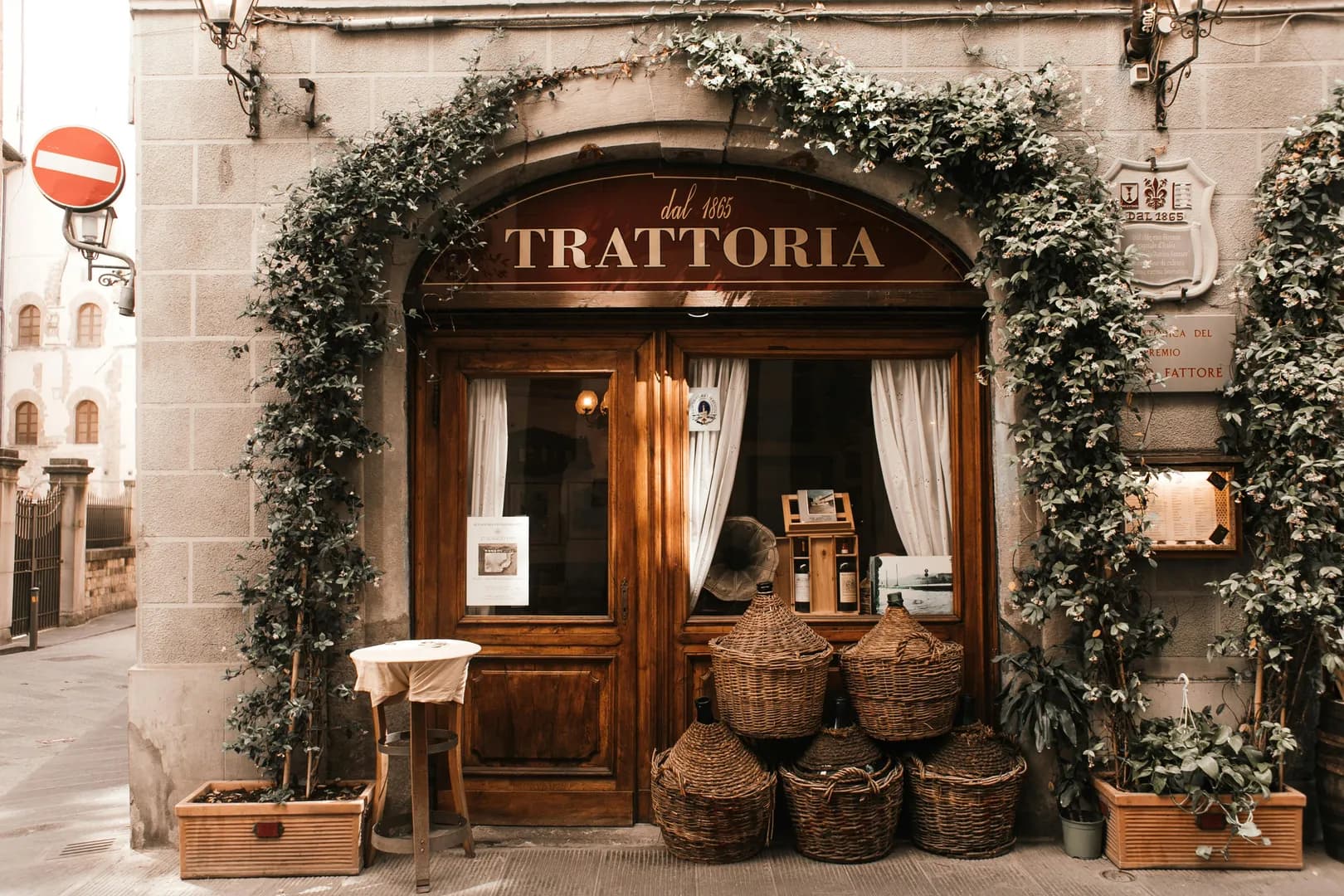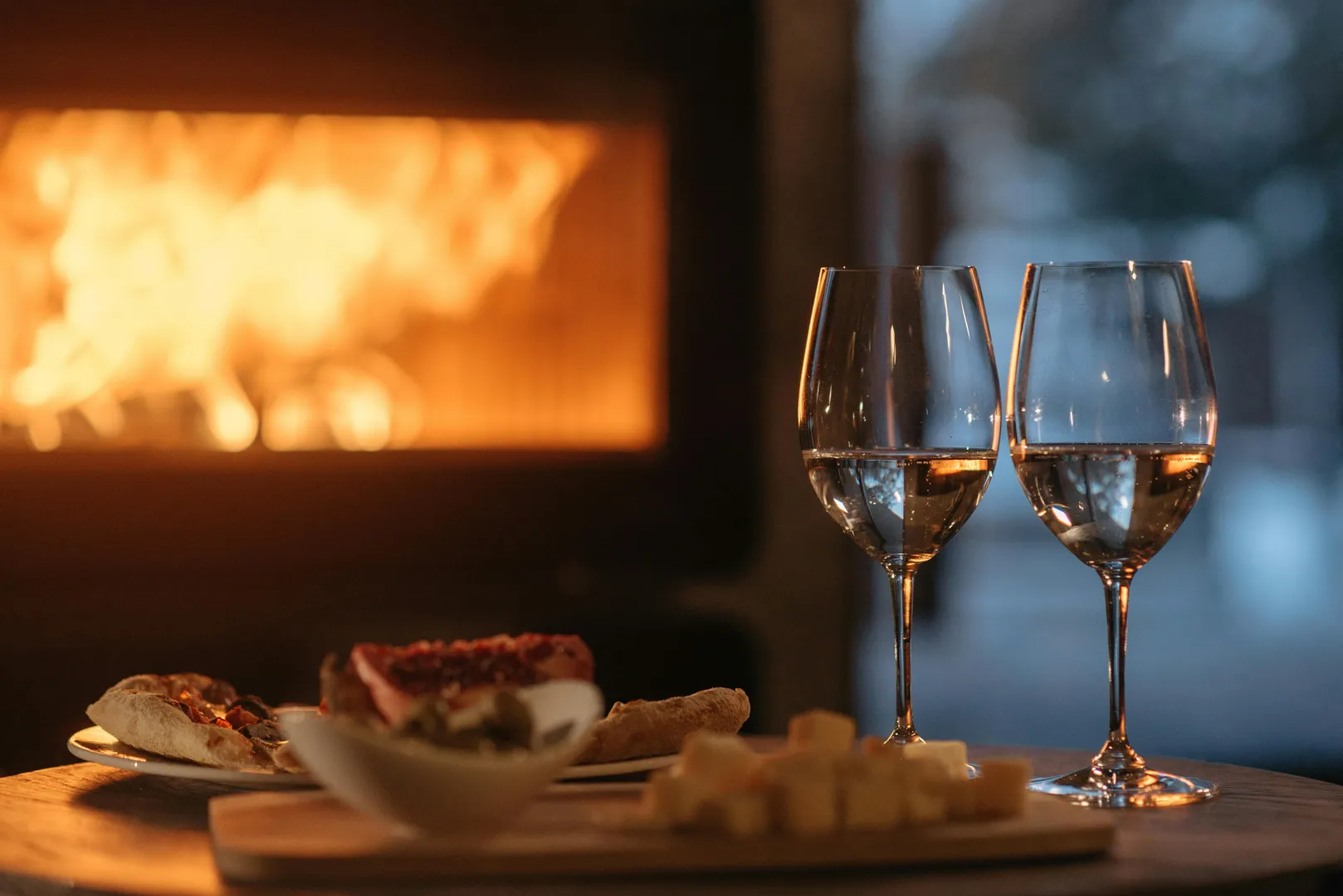

From Paris to Provence, Rome to Florence, Michelin-starred restaurants can be unforgettable. The secret is choosing the right one, at the right time of day, for the right reasons.
Michelin in France and Italy: The Big Picture
The Michelin Guide remains one of the most influential restaurant rating systems in the world. Created in France in 1900, it introduced the now-famous three-star system in the 1920s. Stars are awarded based on the quality of the cooking – not décor or social media fame – using criteria such as ingredient quality, mastery of technique, personality of the chef, value for money, and consistency over time.1
In the mid-2020s, France counts well over 600 Michelin-starred restaurants, with Paris alone hosting more than 120 starred addresses, second only to Tokyo in global rankings.2,3 For a closer look at that scene, see our practical guide to Michelin dining in Paris. Italy is also a heavyweight: the 2024–2025 guides list roughly 380–400 Michelin-starred restaurants across the country, including three-star temples such as Osteria Francescana (Modena), La Pergola (Rome), and Enoteca Pinchiorri (Florence).4,5
For travelers working with Italy Awaits Travel, this abundance is both good news and a challenge. Good, because you are spoiled for choice. Challenging, because you probably don't want every night of your vacation to feel like a formal tasting menu. The key is deciding:
- How often – if at all – you want a Michelin experience.
- Whether to prioritize France, Italy, or both for that splurge.
- And whether to experience it at lunch or dinner.
What You Actually Get When You Pay for Stars
It helps to clarify what Michelin-starred restaurants generally offer that a good bistro or trattoria might not:
- Highly technical cooking: precision in sauces, textures, timing, and plating.
- Curated, often seasonal menus: tasting menus that tell a story from first bite to last.
- Deeper wine programs: especially in France and Italy, where wine is woven into the experience.
- Highly trained service: teams that anticipate allergies, preferences, and pacing.
- Consistency: inspectors revisit restaurants, and stars can be revoked if standards slip.1,2
What you don't get automatically is "authenticity" in the rustic sense. A tiny, family-run trattoria without any stars can be just as emotionally satisfying as a palace restaurant, but the experience is different: less choreographed, more spontaneous. Most travelers enjoy a mix of both.
Budget Reality Check: Typical Costs in France and Italy
Prices move around every year, but comparative surveys of Michelin restaurants in Europe show clear patterns: France and Italy sit in the mid-to-high range for tasting menu costs, with big differences between one, two and three stars – and between lunch and dinner.6,7
France (Paris, Provence, Riviera, Wine Regions)
- Three-star destinations: In Paris and top wine regions, dinner tasting menus can easily cost €300–€450+ per person before wine. Special experiences (chef's counter, rare wines) can push this higher.6
- Two-star restaurants: Dinner menus commonly fall in the €180–€280 range, depending on location (Paris vs countryside) and how elaborate the menu is.
- One-star bistros and modern tables: Dinner experiences often start around €70–€120 per person before drinks; some in Paris and larger cities now sit slightly higher.6,8
- Lunch deals: Many French one- and two-star restaurants offer a midday "menu déjeuner" for roughly €40–€70, substantially less than their dinner tasting menus.6,8
Italy (Rome, Florence, Milan, Countryside)
- Three-star flagships: Iconic restaurants such as La Pergola in Rome and Enoteca Pinchiorri in Florence price dinner tasting menus in a similar band to top French houses: €250–€400+ per person before wine, depending on the menu.5,7
- Two-star venues: Dinner menus often range from €150–€250, with some more experimental restaurants trending higher.
- One-star restaurants and "contemporary trattorie": Expect many dinner menus in the €70–€130 range, with à la carte options sometimes slightly cheaper.7,9
- Italian lunch values: Just as in France, numerous high-end Italian restaurants offer pranzo fisso or tasting menus at lunch that can be 40–50% cheaper than dinner, sometimes starting around €40–€60 in less touristed regions.7,9
For travelers with champagne taste but a realistic budget, these numbers point to a simple conclusion: if you want Michelin in your trip without compromising everything else, lunch is your best friend.
Why Lunch Is Often the Sweet Spot
Restaurant price analyses and travel writers consistently highlight lunch as the most cost-effective way to enjoy Michelin-level cooking in both France and Italy.6,7,9 Here's why:
- Lower menu prices: Many starred restaurants treat lunch as a way to fill seats, so they design shorter, more accessible menus at significantly lower prices.
- Same kitchen, same standards: The chef and team are the same; you still experience their approach to ingredients and technique, just in a condensed format.
- Daylight and pacing: Especially in wine regions or cities with beautiful views, lunch lets you enjoy natural light and then walk it off through vineyards, gardens, or historic streets.
- Less pressure on the rest of the day: After a multi-course dinner with wine pairings, you might not feel like doing anything but sleep. A long lunch leaves your evening free for a simple aperitivo and stroll.
In practical terms, you might:
- Enjoy a one-star lunch in Paris or Nice for €50–€70 per person, then have a relaxed bistro dinner.
- Book a starred lunch in Florence or Rome around sightseeing, freeing evenings for trattorie, wine bars, or casual pizzerias.
France vs Italy: Where to Prioritize Your Star Splurge?
If your itinerary includes both France and Italy, you might not want to pay for high-end tasting menus in both countries. A helpful way to decide is to think about what each destination does best for your tastes.
Reasons to Choose France (Paris, Provence, Riviera)
- Haute cuisine tradition: France is the birthplace of Michelin and classical fine dining. If you are fascinated by sauces, complex pastry, and technical desserts, a French star can be a dream.1,2
- Wine pairings from legendary regions: Bordeaux, Burgundy, Champagne, Rhône – French wine lists are deep and often include older vintages.
- Riviera glamour: On the Côte d'Azur, starred restaurants often pair food with dramatic sea views or hotel terraces, making the setting as memorable as the menu.
- Convenient pre-Italy timing: If your itinerary starts in Paris or southern France, a French Michelin lunch or dinner can serve as an elegant "prologue" before heading into Italy.
Reasons to Choose Italy (Rome, Florence, Milan, Countryside)
- Produce-driven cooking: Italian high-end cuisine often starts from extraordinary ingredients – vegetable-driven tasting menus, regional pastas elevated with precision, and seafood along the coasts.
- Wine regions with personality: Tasting menus paired with Barolo, Chianti Classico, Etna Rosso, or Aglianico can feel more intimate and less formal than some French counterparts.5,9
- Strong value outside capitals: In smaller cities and rural regions, one- and two-star restaurants can offer comparatively gentle prices for their level, especially at lunch.
- Cultural continuity: A Michelin meal in Italy often feels like a refined continuation of what you have been eating in trattorie and osterie, rather than a completely separate universe. For a firsthand look at one standout, read our review of Ristorante All'Oro in Rome.
Many travelers ultimately decide to:
- Choose one "big" splurge – for example, a two- or three-star dinner in either Paris or Rome.
- Add one or two star-level lunches in the other country (for instance, a one-star lunch in Provence and a one-star lunch in Florence).
Using Lunch Menus Strategically in Both Countries
To make the most of fixed-price lunch menus in France and Italy:
- Check the restaurant's website carefully. Many starred restaurants publish distinct lunch and dinner menus; some list a very attractive "menu du midi" or "pranzo degustazione" at a lower price.6,7
- Book well in advance for popular dates. Even lunch slots at top places in Paris, the Riviera, Rome, or Florence can fill quickly in high season and on weekends—see our guide to restaurant reservations in the age of overtourism for strategy.
- Plan your day around the meal. Treat a star-level lunch as the main event of the day's middle hours, with lighter sightseeing in the morning and a very casual evening.
- Watch the extras. Tasting menus might be "only" €65–€80, but wine pairings, mineral water, coffee, and supplements can add up. If budget matters, set a rough limit in advance.
- Tell them if you are celebrating. Both French and Italian teams generally love hosting special occasions; a note about a birthday or honeymoon can make the welcome warmer (without any obligation to spend more).
When to Skip Michelin Altogether
Despite the prestige, it is perfectly reasonable to decide that Michelin-starred dining is not the right fit for a particular trip. It may be better to skip it if:
- You prefer spontaneous, unstructured eating and don't enjoy long, multi-course meals.
- Your budget would be stretched so far that one meal would force major compromises elsewhere (fewer days, fewer experiences).
- You are traveling with young children or as a large group that might feel constrained in a formal setting.
- You are more excited by markets, street food, wine bars, and trattorie than by tasting menus.
In both France and Italy, extraordinary food exists well outside the Michelin ecosystem – from neighborhood bistros and bouchons to osterie, agriturismi, and enoteche. A carefully chosen, unstarred restaurant can easily become the most memorable meal of your trip.
How Italy Awaits Travel Helps You Decide and Book
With so many choices, the hardest part is not finding Michelin-starred restaurants but fitting them gracefully into your wider journey through France and Italy. That is where Italy Awaits Travel comes in.
When we design your itinerary, we:
- Start with your budget, tastes, and comfort level around formal dining and long meals.
- Help you decide whether to prioritize a star experience in France, Italy, or both, based on your route and interests.
- Suggest specific restaurants – starred and unstared – that match your style (classic vs modern, seafood vs land-based cooking, adventurous vs comforting).
- Coordinate lunch vs dinner reservations with your sightseeing, train schedules, and cruise departures from ports such as Civitavecchia and Ravenna.
- Balance "big" meals with casual nights in bistros and trattorie, so your trip feels luxurious without being exhausting or overly structured.
The goal is simple: if you choose to include Michelin-starred dining in France or Italy, it should feel like a natural highlight, not an obligation or a budget shock. Whether your star moment is a sunlit lunch in Provence, a candlelit dinner in Paris, or a vineyard-framed tasting menu in Tuscany, we help you place it gently in the center of a broader story – one that includes markets, cafés, wine bars, trattorie, and the everyday flavors that make France and Italy so beloved.
Frequently Asked Questions
How much does a Michelin-starred meal cost in Italy?
One-star restaurants in Italy typically offer dinner menus in the 70 to 130 euro range per person. Two-star venues range from 150 to 250 euros, while three-star restaurants like La Pergola in Rome can cost 250 to 400 euros or more before wine. Lunch menus are often 40 to 50 percent cheaper.
Is lunch cheaper than dinner at Michelin restaurants?
Yes, significantly. Many Michelin-starred restaurants in both France and Italy offer fixed-price lunch menus that cost far less than their dinner tasting menus. A one-star lunch might cost 40 to 70 euros compared to 100 euros or more for dinner.
Should I splurge on Michelin in France or Italy?
It depends on your preferences. France excels at classical technique, elaborate sauces, and legendary wine regions. Italy shines with produce-driven cooking and regional ingredients. Many travelers choose one big dinner in one country and enjoy starred lunches in the other.
How far in advance should I book a Michelin restaurant?
Popular restaurants in Paris, Rome, and Florence can fill up weeks or even months in advance, especially for dinner and weekend reservations. Book as early as possible, particularly during high season or if you have specific date requirements.
Is Michelin dining worth it on vacation?
It can be a memorable highlight if you enjoy multi-course tasting menus and appreciate technical cooking. However, extraordinary food exists outside the Michelin system too. Consider your budget, travel style, and whether long formal meals fit your trip.
References
- Michelin Guide official explanations of star criteria and history, outlining the five core assessment factors and the meaning of one, two and three stars.
- Michelin Guide France summaries and press releases noting that France has more than 600 Michelin-starred restaurants in recent editions, with stars updated yearly.
- City rankings and Michelin data placing Tokyo first and Paris second worldwide in number of Michelin-starred restaurants.
- Michelin Guide Italy announcements listing around 380–400 starred restaurants nationwide in the 2024–2025 guides.
- Restaurant profiles and guide coverage for top Italian three-star restaurants such as Osteria Francescana, La Pergola, and Enoteca Pinchiorri, including indicative menu prices.
- European restaurant price comparisons and travel journalism analyzing typical costs of tasting menus in French Michelin restaurants, with three-star dinners often above €300 per person and more affordable lunch options.
- Comparative studies and media pieces on Michelin pricing across Europe showing that France and Italy sit in the mid-to-high range, and that lunch menus are frequently far cheaper than dinner tastings.
- Paris-focused lists and guides to "affordable Michelin" restaurants demonstrating lunch menus around €50–€70 in selected one-star establishments.
- Italian dining guides and food media noting that many high-end Italian restaurants offer fixed-price lunch menus significantly cheaper than dinner, especially outside the largest cities.