
From the Venice Simplon-Orient-Express to Italy's La Dolce Vita and France's Le Grand Tour, how luxury rail is redefining European travel.
Introduction: Why Luxury Trains Are Back
Luxury train travel in Europe is experiencing a genuine renaissance. Far from being a nostalgic curiosity, high-end rail journeys are now one of the fastest-growing segments in the wider luxury travel market. Global luxury rail and train travel was estimated at roughly $1.9–2.4 billion in 2024 and is projected to almost double by the early 2030s, with annual growth rates approaching 8%.1 Europe holds a particularly strong position, representing close to 38% of the global luxury train market and hundreds of millions of dollars in revenue thanks to its dense rail network and famous named trains.2
At the same time, luxury rail fits a wider shift toward experiential travel. High-net-worth travelers are increasingly willing to pay for journeys that offer a strong sense of place, slow immersion, and curated experiences rather than simply a new hotel room in another city.3 Rail-focused tour companies report record-breaking sales, with some operators seeing luxury rail bookings up by more than 40% year-over-year in 2024 alone.4
Within this landscape, three trains stand out in Europe:
- The Belmond Venice Simplon-Orient-Express (VSOE), often considered the benchmark for classic luxury rail.
- Italy's La Dolce Vita Orient Express, a new generation of Italian luxury sleeper trains.
- France's Le Grand Tour, a multi-day train journey that circles some of the country's most evocative landscapes and historic sites.
For guests of Italy Awaits Travel, these trains offer a powerful way to connect multiple regions without the stress of airports, while enjoying fine dining, exceptional service, and a sense of romance that is hard to find elsewhere.
The Venice Simplon-Orient-Express: Icon of European Rail Glamour
A Living Link to the Golden Age of Travel
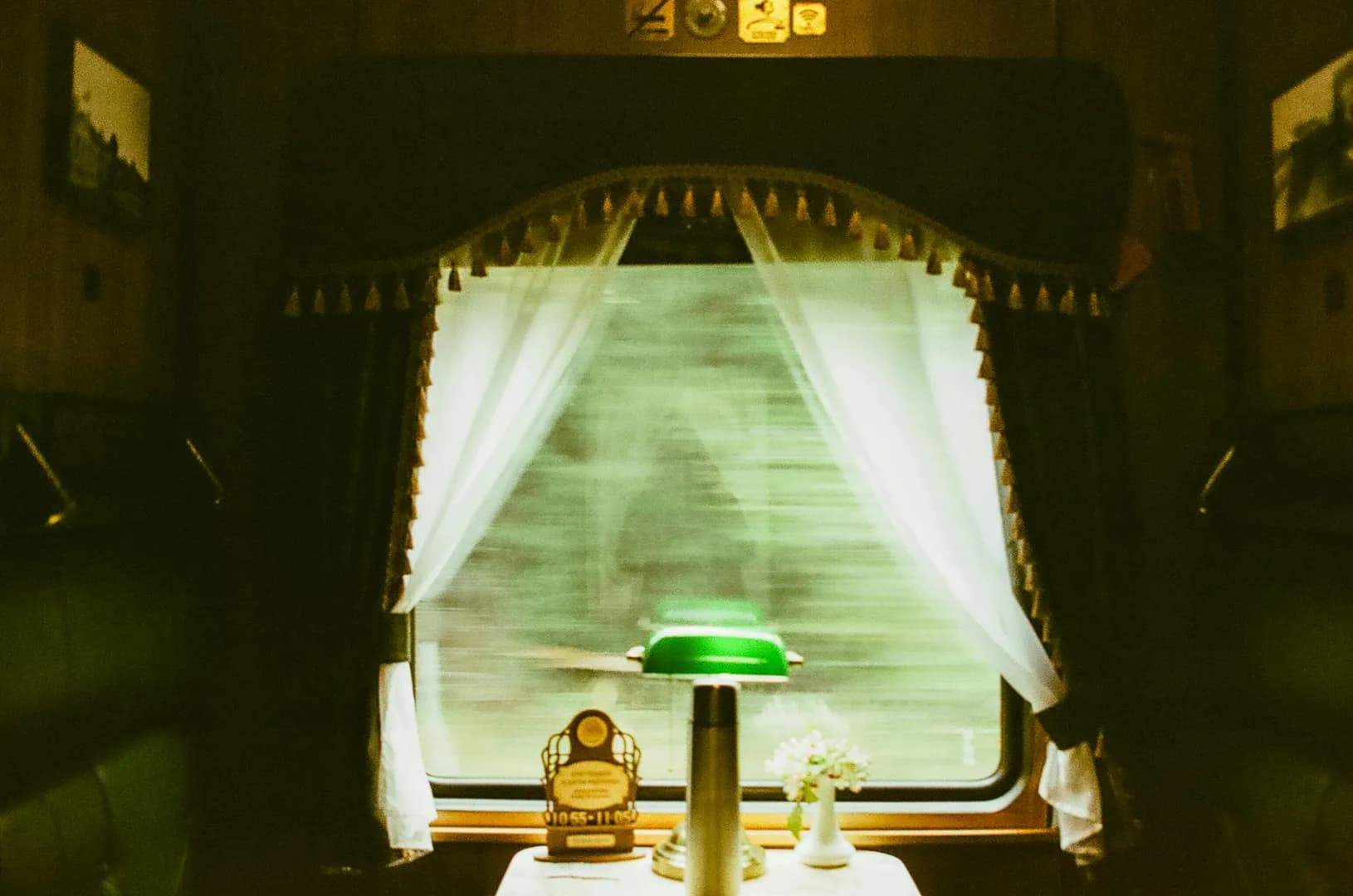
The Venice Simplon-Orient-Express, operated by Belmond, is often described as the world's most famous luxury train. The carriages currently in service date from roughly 1926 to 1949 and have been painstakingly restored to their Art Deco and Belle Époque glory.5 Many of these cars once formed part of the historic Orient Express and related Wagons-Lits services that carried royalty, diplomats, writers, and film stars across Europe in the early twentieth century.
The modern VSOE began operations in 1982 as a private luxury train linking London and Venice, and today its routes extend to other European cities such as Paris, Florence, Geneva, and occasionally Istanbul and Amsterdam.6 On board, passengers find polished wood paneling, Lalique glasswork, white-tablecloth dining, and bar cars where cocktails are served to live piano music well into the night.
Cabins, Service, and Routes
Accommodation on the Venice Simplon-Orient-Express ranges from historic twin cabins that convert from seating by day to bunks by night, to Grand Suites with private bathrooms, living areas, and butler service. Recent refurbishments have also introduced top-tier suites with en-suite facilities and underfloor heating, designed in opulent Art Deco style by specialist hospitality designers.7
The classic itinerary runs between London and Venice via Paris, often over one or two nights, but the train also offers journeys that connect to cities like Florence, Geneva, Rome, Amsterdam, and Brussels.6,7 Dining is a major focus: multi-course menus feature regional European ingredients, and the service culture on board resembles that of a grand hotel, with staff trained to anticipate guests' needs in subtle ways.
Who the VSOE Suits Best
The Venice Simplon-Orient-Express is ideal for travelers who:
- Romanticize the 1920s–1930s era of European travel.
- Value design, craftsmanship, and heritage as much as destination ticking.
- Prefer a train-centric journey where the experience on board is the main event.
For an Italy-focused itinerary, Italy Awaits Travel often recommends using the VSOE as a connector between Venice and other European hubs—perhaps arriving in Italy via the train, then continuing by private transfers, high-speed rail, or cruises from ports such as Ravenna or Civitavecchia.
La Dolce Vita Orient Express: Italy's New Luxury Sleeper
A Contemporary "Love Letter to Italy"
While the Venice Simplon-Orient-Express draws on interwar glamour, Italy's new La Dolce Vita Orient Express takes inspiration from the country's 1960s design heritage. Operated under the revived Orient Express brand, it uses refurbished Italian State Railways carriages with interiors crafted by renowned design studio Dimorestudio and aesthetics that pay homage to classic Italian cinema, fashion, and architecture.8,9
The train is explicitly positioned as a "love letter to Italy," celebrating the country's culture, landscapes, and gastronomy. On board, dining is overseen by three-Michelin-starred chef Heinz Beck, who curates menus that showcase regional Italian ingredients and wines.8
Cabins, Suites, and Onboard Atmosphere
At launch, La Dolce Vita features a mix of 18 suites and 12 deluxe cabins, with an even larger "La Dolce Suite" slated to join the consist, offering expanded living space and elevated finishes.10 Cabins include en-suite bathrooms—a modern comfort that sets the train apart from many historic sleepers—and are arranged in a way that promotes privacy and quiet. Public spaces include:
- A restaurant car with multi-course tasting menus and carefully paired wines.
- A bar car for cocktails, live music, and late-night conversation.
- Observational lounges where guests can watch Italian landscapes slide past.
Italian Itineraries: From Tuscany to Sicily
Itineraries on La Dolce Vita typically last 2–3 nights and are designed as loops or arcs starting and ending in major hubs such as Rome, Venice, or Palermo. Official program details outline routes including:
- Rome – Siena – Rome, focusing on Tuscany and the Palio di Siena, over three days and two nights.
- Rome – Matera – Pescocostanzo – Rome, highlighting the UNESCO-listed cave city of Matera and historic mountain towns in central and southern Italy.11
- Additional itineraries that reach Sicily, the Dolomites, and coastal regions, often paired with curated off-train excursions to vineyards, archaeological sites, or art towns.9,11
Prices for these journeys generally start in the low thousands of euros per person for shorter trips—for example, press coverage notes entry points around €3,000 per person for a two-day experience, depending on cabin category and season.9
How La Dolce Vita Fits an Italy-Focused Itinerary
For guests of Italy Awaits Travel, La Dolce Vita is particularly interesting because it is:
- Entirely Italy-based, making it easier to integrate with land stays, cruises, and city breaks.
- Designed around off-train excursions, allowing a deeper dive into specific regions.
- Well-suited as a high-impact "centerpiece" in a larger Italy journey.
A typical plan might combine three nights on La Dolce Vita with stays in Rome, Florence, and the Amalfi Coast, plus a cruise from Civitavecchia or Ravenna. The train becomes a dramatic interlude—an all-inclusive, mobile boutique hotel that carries you between regions while you relax, dine, and sleep on board. This kind of slow, romantic journey is also a favorite among couples planning an Italy honeymoon.
Le Grand Tour: A Moving "Stage Set" Across France
A Poetic, Immersive Tour of France
Le Grand Tour is a relatively new luxury train concept that circles France over multiple days, blending Belle Époque aesthetics with curated off-train experiences. Marketed as a "poetic and immersive luxury train journey," the train is associated with the team behind the acclaimed French historical theme park Puy du Fou, known for elaborate, story-driven shows.12,13
Journeys typically last 6–7 days and cover approximately 2,500 miles, looping through regions such as Champagne, the Loire Valley, Bordeaux, Provence, and the Atlantic coast. En route, guests disembark for private tours of châteaux, wine tastings, historical performances, and gourmet meals in carefully selected venues.
Onboard Style and Experience
Le Grand Tour's interiors are designed to evoke the 19th- and early-20th-century age of rail, with rich fabrics, soft lighting, and a strong emphasis on storytelling. One itinerary, for example, stops at Château de Chenonceau for an exclusive tour before returning to the train for lunch and onward travel to Puy du Fou for a theatrical evening experience.14
From a traveler's perspective, Le Grand Tour functions as both a luxury train and a curated country-by-country (or region-by-region) tour. Cooking, décor, and daily programming are meant to feel distinctly French—less about sleeping in a moving hotel between two endpoints, and more about living in a rolling stage set that reinterprets France's cultural memory.
Who Le Grand Tour Is For
Le Grand Tour is ideal for travelers who:
- Want a broad overview of France in a single, high-touch itinerary.
- Appreciate immersive, theatrical experiences as much as fine dining and scenery.
- Prefer to unpack once and let the itinerary come to them each day.
While Italy Awaits Travel focuses on Italy, journeys on Le Grand Tour can dovetail beautifully with Italian segments—especially when combined with high-speed TGV routes or flights between France and Italy.
Why Luxury Rail Appeals to Today's Travelers
1. Experiential, Slow Travel
Luxury train travel aligns closely with the broader shift toward experiential tourism. Industry analyses show that affluent travelers are prioritizing immersive, story-driven experiences over purely material displays of luxury.3,15 On a high-end train, the journey itself becomes the central experience:
- You wake up to changing landscapes outside your window.
- Meals are served at set times, encouraging a slower rhythm to the day.
- The bar car becomes a social space where fellow travelers share stories late into the evening.
2. Comfort Without Airports
For many travelers, airports have become the least pleasant part of international travel: security lines, baggage restrictions, tight connections. Luxury trains offer:
- Private cabins with beds, en-suite bathrooms (on newer trains), and generous luggage allowances.
- No liquid restrictions or long security queues.
- Seamless point-to-point travel between destination cities or regions.
This is particularly attractive in Europe, where rail still enjoys broad public and governmental support. EU data show that passenger rail traffic has largely recovered from pandemic-era declines, with passenger volumes in 2022 returning to around 96% of pre-2019 levels, indicating renewed confidence in train travel overall.16
3. Sustainability and Rail's Lower Emissions
While luxury trains are not mass transit in the everyday sense, rail travel generally has a significantly lower per-passenger carbon footprint than flying over similar distances. As awareness of climate impacts grows, some travelers are choosing train-based itineraries both for enjoyment and to reduce the number of short-haul flights in their trips. Night trains and long-distance services continue to be politically and environmentally debated, but the overall direction across Europe is toward more rail usage where possible.16,17
4. Heritage, Design, and Storytelling
Many luxury trains explicitly foreground design and history:
- The Venice Simplon-Orient-Express preserves original 1920s–1940s carriages and craftsmanship.5
- La Dolce Vita draws on 1960s Italian design icons, reimagining mid-century glamour for a new audience.8
- Le Grand Tour embraces Belle Époque aesthetics and narrative-driven stops like Puy du Fou.12,14
Museums and exhibitions across Europe, including recent Art Deco–focused shows in Paris that celebrate the Orient Express's design legacy, indicate strong public appetite for this mix of nostalgia and innovation.18
Practical Considerations for Luxury Train Journeys
When to Travel
Most luxury trains in Europe operate seasonally, with peak periods from late spring through early autumn. Shoulder seasons (April–May, September–October) often offer more moderate temperatures and slightly reduced demand. High-demand events—such as the Palio di Siena for La Dolce Vita or major festivals in France—can further compress availability.
Booking Windows and Availability
Because of limited cabin numbers, suites and popular departures can sell out months (or even more than a year) in advance. Some trains release their schedules on a seasonal or annual basis, and travel advisors like Italy Awaits Travel monitor these calendars to secure preferred dates for their clients. If you also plan to use Italy's regular high-speed network between destinations, it helps to understand how train travel and strikes work in Italy.
Budgeting and Value
Luxury train travel is a premium purchase. Sample price points include:
- Venice Simplon-Orient-Express: often several thousand euros per person for a one- or two-night journey, depending on cabin category and route.
- La Dolce Vita: entry-level pricing reported around €3,000 per person for a two-day itinerary in lower cabin categories, with suites commanding a higher premium.9
- Le Grand Tour: six- or seven-day journeys priced in line with top-tier escorted luxury tours, reflecting the inclusive nature of on-board accommodation, fine dining, and curated excursions.12,14
When comparing costs, it is helpful to consider what is included: typically accommodation, meals, some or all drinks, off-train excursions, and entertainment. For many travelers, the value lies not in cost-per-night but in the rarity and memorability of the experience.
Integrating Trains into a Wider Itinerary
A luxury train journey is often best treated as the centerpiece of a trip rather than the whole trip. For example:
- Combine a VSOE journey to Venice with pre- or post-stays in Ravenna, Florence, or the Amalfi Coast, plus a cruise from Ravenna or Civitavecchia.
- Use La Dolce Vita to connect regions such as Rome, Tuscany, Matera, and Sicily within a broader Italy-based itinerary that includes hotel stays, wine touring, and time in major cities.
- Pair Le Grand Tour with high-speed TGV travel and then onward flights or rail journeys into Italy.
Coordinating rail timetables, cruise departure ports, and flight schedules can be complex, which is where a specialist advisor becomes invaluable.
How Italy Awaits Travel Can Help You Board the Right Train
Luxury trains are not one-size-fits-all. Each has its own personality, from the old-world glamour of the Venice Simplon-Orient-Express to the mid-century chic of La Dolce Vita and the theatrical flair of Le Grand Tour. The key is matching the train—and the specific itinerary—to your interests, pace, and budget.
At Italy Awaits Travel, we can:
- Help you choose between different trains and departures based on your preferred regions (Venice, Tuscany, Sicily, Provence, Loire, etc.) and travel dates.
- Integrate luxury rail journeys into multi-stop Italy itineraries that may also include high-speed trains, private drivers, and cruises from ports like Civitavecchia and Ravenna.
- Coordinate logistics such as transfers, hotel nights before and after the train, and special experiences (wine tastings, museum visits, private guides) in the cities you pass through.
- Monitor booking calendars and availability so that you can secure coveted suites or routes without tracking every schedule yourself.
If you are dreaming of seeing Italy—and perhaps France—through the window of a beautifully restored carriage, savoring slow meals and waking up to new landscapes each morning, get in touch with Italy Awaits Travel. We will help you choose the right train, the right route, and the right rhythm so that your journey feels less like a transfer and more like the story you will tell for years.
Frequently Asked Questions
What is the Venice Simplon-Orient-Express?
The Venice Simplon-Orient-Express is a luxury train operated by Belmond that runs between London, Paris, Venice, and other European cities. The carriages date from 1926 to 1949 and have been restored to their original Art Deco glory, offering fine dining, private cabins, and an atmosphere reminiscent of the golden age of rail travel.
How much does the La Dolce Vita Orient Express cost?
Prices for La Dolce Vita start around 3,000 euros per person for a two-day journey in a deluxe cabin. Suite accommodations and longer itineraries command higher prices. The fare typically includes accommodations, all meals, drinks, and curated off-train excursions.
What routes does the La Dolce Vita train cover?
La Dolce Vita offers several Italian itineraries including Rome to Siena and back through Tuscany, Rome to Matera and mountain towns in central Italy, and routes that reach Sicily and the Dolomites. Most journeys last two to three nights.
How far in advance should I book a luxury train journey?
Popular departures and suite accommodations can sell out months or even more than a year in advance. It is best to book as early as possible, especially for peak season travel or special event departures like the Palio di Siena route.
Can I combine a luxury train journey with a cruise?
Yes, luxury train journeys work beautifully as part of a larger itinerary. Many travelers combine the Venice Simplon-Orient-Express or La Dolce Vita with Mediterranean cruises departing from Italian ports like Civitavecchia or Ravenna, creating a seamless mix of rail and sea travel.
References
- Market research reports on global luxury rail and train travel, estimating the sector at roughly $1.9–2.4 billion in 2024 with projected growth approaching 8% annually through the early 2030s.
- Regional market analyses showing Europe holds approximately 38% of the global luxury train market due to its dense rail network and historic named trains.
- Luxury travel industry studies documenting the shift toward experiential tourism among high-net-worth travelers, with increasing preference for immersive journeys over traditional accommodation-focused trips.
- Tour operator and travel agency reports noting significant increases in luxury rail bookings, with some companies seeing growth of more than 40% year-over-year in 2024.
- Belmond and rail heritage documentation on the Venice Simplon-Orient-Express carriages, noting their construction dates between 1926 and 1949 and subsequent restoration to Art Deco specifications.
- Venice Simplon-Orient-Express route and schedule information showing services connecting London, Paris, Venice, Florence, Geneva, and occasional extended journeys to Istanbul and Amsterdam.
- Accommodation descriptions for the Venice Simplon-Orient-Express detailing cabin categories from twin compartments to Grand Suites with private bathrooms, butler service, and Art Deco design elements.
- La Dolce Vita Orient Express official announcements and press materials describing the train as a "love letter to Italy" with 1960s design influences, interiors by Dimorestudio, and culinary direction by three-Michelin-starred chef Heinz Beck.
- Travel journalism and pricing coverage of La Dolce Vita noting entry-level fares around €3,000 per person for two-day experiences, varying by cabin category and season.
- Train consist specifications for La Dolce Vita listing 18 suites and 12 deluxe cabins at launch, with plans for an expanded "La Dolce Suite" offering additional living space.
- La Dolce Vita itinerary details describing routes including Rome–Siena–Rome for the Palio and Rome–Matera–Pescocostanzo–Rome highlighting UNESCO sites and historic towns.
- Le Grand Tour marketing and operational information describing the train as a "poetic and immersive luxury train journey" associated with the Puy du Fou team, covering approximately 2,500 miles over 6–7 days.
- Background on Puy du Fou and its reputation for elaborate, story-driven theatrical experiences that inform Le Grand Tour's approach to immersive travel.
- Le Grand Tour itinerary examples including stops at Château de Chenonceau and Puy du Fou, with descriptions of exclusive tours and theatrical evening experiences.
- Experiential tourism research documenting affluent travelers' preference for story-driven, immersive experiences over purely material displays of luxury.
- European Union railway statistics showing passenger rail traffic recovery to approximately 96% of pre-2019 levels by 2022, indicating renewed confidence in train travel across Europe.
- Environmental and policy analyses comparing per-passenger carbon footprints of rail versus air travel over similar distances, noting rail's generally lower emissions profile.
- Cultural exhibitions and museum coverage of Orient Express design heritage, including Art Deco–focused shows in Paris celebrating the train's aesthetic legacy.