
From rocky Mediterranean shorelines to elegant lidos and private beach clubs, the beach culture of France and Italy is refined, structured, and very different from the Caribbean.
Why Mediterranean Beaches Feel So Different
Travelers arriving in France or Italy after visiting destinations like Mexico, the Caribbean, or Hawaii are often surprised by their first beach experience. The Mediterranean is stunning, but it is not defined by wide white-sand beaches and endless free loungers. Instead, these coastlines are shaped by:
- Rocky terrain and pebbled shorelines, especially along the Amalfi Coast, Ligurian coast, French Riviera, and much of southern Italy.
- Compact historic towns built directly into cliffs, leaving little room for large public beaches.
- A long tradition of structured bathing culture centered on lidos and private beach clubs.
Rather than the "spread a towel anywhere" model common in tropical destinations, beachgoing in much of France and Italy is a curated experience. You reserve a sunbed, order food and drinks to your lounger, and treat the beach almost like an open-air restaurant and lounge.
For clients of Italy Awaits Travel, this difference is not really a downside. In fact, many travelers come to prefer the Mediterranean model for its comfort, service, and sense of occasion.
Public Beaches vs. Private Beach Clubs
Free Public Beaches
In both France and Italy, the coastline is legally considered public property. This means that free-access beaches (spiagge libere in Italy, plages publiques in France) do exist. However, their quality and convenience vary widely:
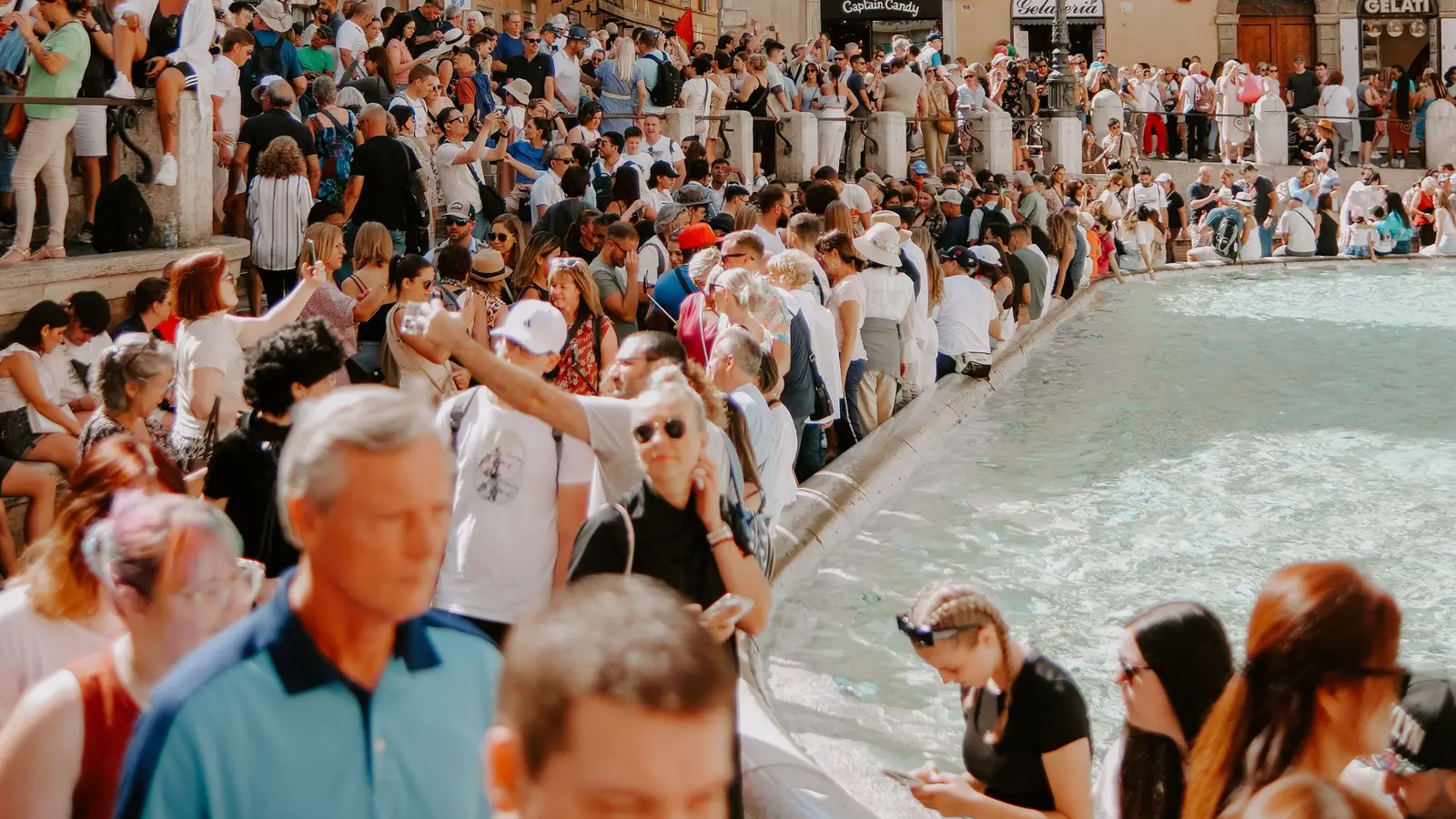
- They are often smaller, more crowded, and without amenities.
- There are usually no umbrellas, loungers, or food service.
- In peak summer, they can fill early in the morning.
Public beaches work well for locals and travelers on a tight budget, but they rarely deliver the serene, pampered beach day many visitors imagine when planning a Mediterranean trip.
Private Beach Clubs (Lidos and Stabilimenti)
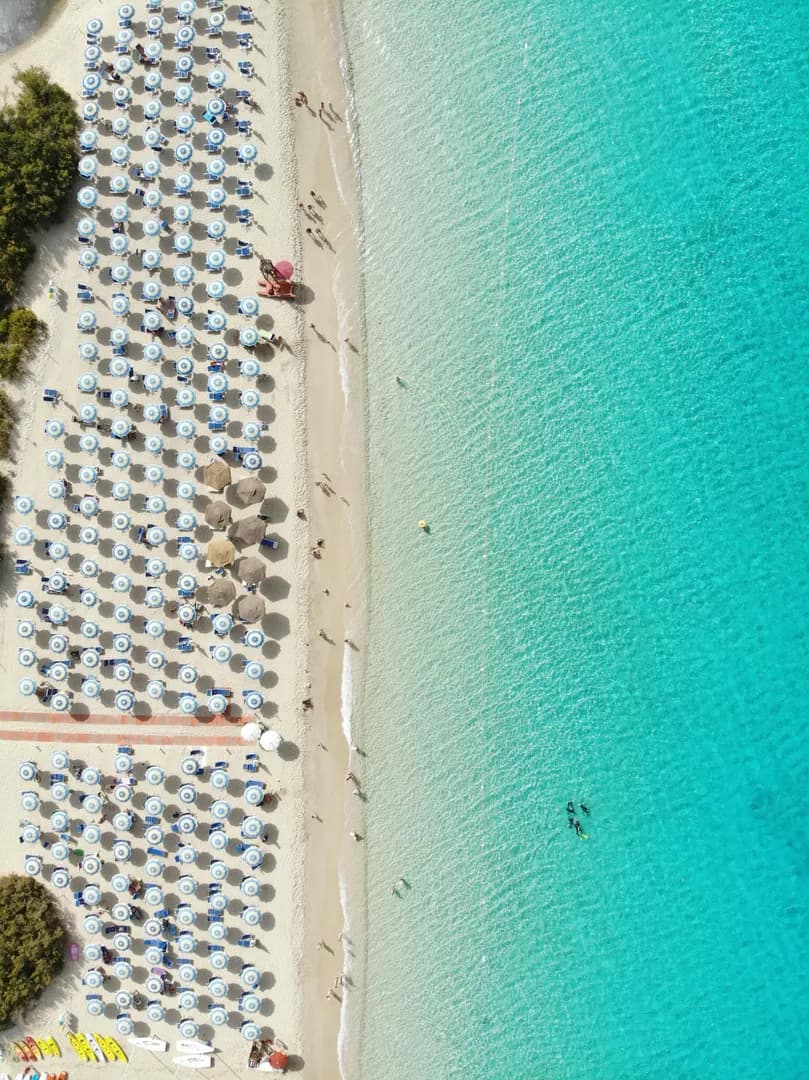
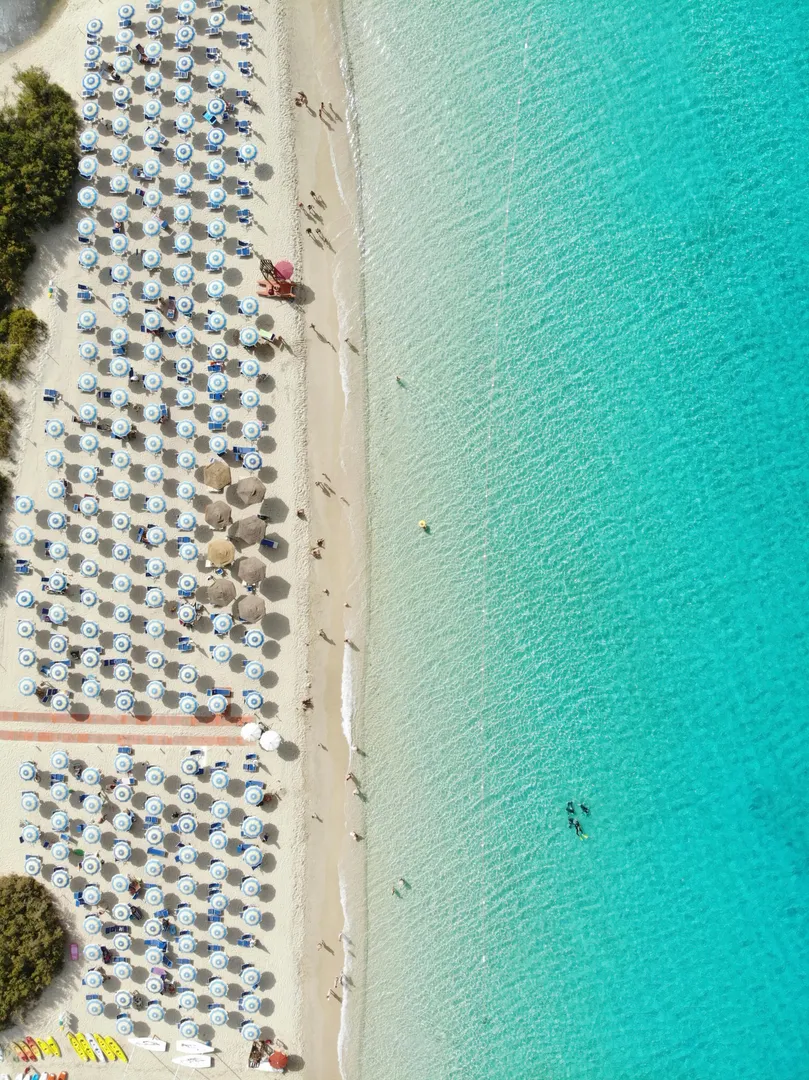
The defining feature of beach life in much of coastal France and Italy is the private beach club. These clubs rent umbrellas and sunbeds by the day and typically include:
- Padded loungers with adjustable recline.
- Umbrellas for shade.
- Changing rooms and showers.
- Full food and drink service, either at your lounger or in an on-site restaurant.
- Attendants who organize seating and service.
Think of these clubs as a hybrid between a beach and a resort pool: you are at the sea, but with structure and hospitality layered on top.
Typical Costs: What "A Day at the Beach" Actually Means
One of the most important planning points for travelers is cost. Along the most popular coasts of France and Italy, access to private beach clubs is almost always paid.
Based on destination pricing guides and beach club rate cards in the mid-2020s, typical daily costs look like this:1,2
- Amalfi Coast and Capri: €80–€150+ per person in high season for a sunbed and umbrella.
- French Riviera (Nice, Cannes, Saint-Tropez): €70–€120+ per person, depending on location and prestige.
- Puglia and Sicily: €30–€70 in most areas, often offering excellent value.
- Ligurian Coast (Cinque Terre, Portofino area): €40–€90 depending on exclusivity.
These rates generally include the lounger and umbrella only. Food, drinks, and extras (towels, premium seating, front-row access) are additional.
When many travelers hear that a "beach day" can cost around $100 per person, they are surprised. But when you compare this to the cost of:
- An all-day pool pass at a luxury resort elsewhere.
- Renting umbrellas and gear separately.
- Dining out for lunch and drinks anyway.
the pricing becomes easier to understand. You are paying for a full-service experience, not just access to sand and water.
Food and Drink as a Core Part of the Experience
One of the joys of Mediterranean beach clubs is that food is not an afterthought. Unlike many casual tropical beaches where snacks are basic, French and Italian beach clubs often treat their kitchens as serious operations.5
Italy: Long, Leisurely Beach Lunches
In Italy, a beach day often revolves around a proper sit-down lunch. Expect:
- Fresh seafood pasta.
- Grilled fish with olive oil and lemon.
- Simple salads and antipasti.
- Cold white wine or spritzes.
It is very common for Italians to spend several hours at lunch, then return to their loungers for swimming and a late-afternoon espresso or gelato.
France: Chic, Social, and Stylish
On the French side, particularly on the Riviera, the beach club is often as much about seeing and being seen as it is about swimming. Menus favor:
- Salads niçoise and grilled vegetables.
- Seafood platters.
- Rosé wine and Champagne.
- Light desserts and fruit.
Lunch may blend seamlessly into cocktails, creating a festive but refined atmosphere that lasts well into the afternoon.
Rocky Shores, Clear Water, and Why Water Shoes Matter
One of the defining features of many French and Italian beaches is that they are rocky or pebbled rather than sandy. While this may feel unfamiliar at first, it brings two major advantages:
- Exceptionally clear water, since sand is not constantly stirred up.
- Dramatic underwater landscapes for swimming and snorkeling.
The main practical implication is footwear. Travelers are strongly advised to bring:4
- Water shoes or thick-soled sandals.
- Sturdy flip-flops rather than thin rubber ones.
This is especially true on the Amalfi Coast, in Cinque Terre, parts of Sardinia, and many stretches of the French Riviera, where entering the water without foot protection can be uncomfortable.
Hotel Beach Access vs. Independent Beach Clubs
Hotels With Direct Beachfront
Some luxury hotels in Italy and France sit directly on the water and operate their own private beach areas. These usually include:
- Reserved loungers for hotel guests.
- Priority service.
- Direct access from the hotel to the sea.
Staying at such a hotel provides ultimate convenience, but the nightly room rates reflect that privilege.
Hotels Without Beachfront Access
Many excellent hotels, especially in historic towns built on cliffs, do not have direct beach access. In these cases:
- You typically transfer by foot, elevator, or car to the nearest beach club.
- You reserve a club independently for the day.
- This approach allows you to choose different beaches on different days instead of being locked into one hotel zone.
For travelers staying in places like Positano, Sorrento, Taormina, and many Riviera towns, this is the more common and flexible arrangement.
Best Regions for Beach Experiences in Italy
Amalfi Coast and Capri
This is the most iconic beach destination on the Amalfi Coast, but also one of the most expensive. Beaches are almost entirely club-based, built on narrow strips between cliffs and water or on floating platforms.
The reward is visual drama: vertical villages, turquoise water, and boats gliding past all day.
Puglia
Puglia offers a blend of sandy and rocky beaches, often at much gentler prices than the Amalfi Coast. Many clubs here feel relaxed and family-run, with outstanding seafood and fewer international crowds.
Sicily
Sicily provides incredible variety: long sandy stretches near Cefalù, lava-stone beaches near Mount Etna, and polished lidos near Taormina. Costs are generally lower than on the Amalfi Coast, especially outside August.
Sardinia
Sardinia comes closest to Caribbean-style beaches in Italy, with white sand and shallow turquoise water in the north and more rugged coastlines elsewhere. Prices range from very reasonable to ultra-luxury in Costa Smeralda.
Best Regions for Beach Experiences in France
The French Riviera (Côte d'Azur)
From Nice to Saint-Tropez, the Riviera offers the ultimate in chic beach culture. Pebbled shores dominate, but the atmosphere is energetic and glamorous.
Southern France Beyond the Riviera
In places like Languedoc and parts of Provence away from the luxury corridor, travelers find wider sandy beaches, lower costs, and a more laid-back French coastal rhythm.
Reservations: Why You Should Never "Just Show Up" in High Season
During peak months from late June through early September, beach clubs on popular coasts often sell out days in advance. Travelers who arrive hoping to secure a front-row lounger on the day itself are frequently disappointed.
Advance reservations are especially important for:
- Amalfi Coast.
- Capri.
- Saint-Tropez.
- Portofino and Cinque Terre.
For clients of Italy Awaits Travel, beach reservations are typically coordinated alongside restaurant and boat bookings, ensuring a seamless coastal experience rather than a scramble.
Using Beach Clubs Strategically in Your Trip
Not Every Day Needs to Be a Beach Day
Italy and France are rich with cities, history, wine regions, and countryside landscapes. Most travelers find the best balance by:
- Choosing one or two dedicated beach days.
- Filling the rest of the itinerary with cultural, culinary, and inland experiences.
The Arrival-Day or Recovery-Day Beach Strategy
Beach clubs work beautifully:
- On your first full day after arrival, to recover from travel.
- After an intense run of museum visits and cities.
- As a reset day before moving on to your next destination.
How Italy Awaits Travel Designs Beach Days for Clients
At Italy Awaits Travel, beach experiences are never treated as filler days. They are designed with the same care as museum visits and wine tastings:
- Matching the right beach club to your style (quiet vs social, casual vs glamorous).
- Balancing cost with overall itinerary budget.
- Coordinating transport, especially where beaches are accessed by boat or cliffside elevators.
- Layering in lunch, aperitivo, and sunset timing.
The goal is to create a beach day that feels as intentional and memorable as any historic site or countryside excursion.
Why Mediterranean Beaches Are About Atmosphere, Not Just Sand
The French and Italian beach experience is not about limitless towels and bare feet. It is about:
- Long lunches by the water.
- Clear, deep-blue seas.
- Stylish settings framed by cliffs, villages, and boats.
- Service that allows you to relax without planning what comes next.
Once travelers understand this model, they often find that a single day spent in a beautifully chosen beach club becomes one of the most restorative moments of their entire European journey.
Frequently Asked Questions
How much does a day at a beach club cost in Italy or France?
Expect to pay €80 to €150 per person on the Amalfi Coast and Capri, €70 to €120 on the French Riviera, and €30 to €70 in Puglia and Sicily. This typically covers a sunbed and umbrella, with food and drinks charged separately.
Do I need to make reservations for beach clubs?
Yes, especially from late June through early September. Popular beaches on the Amalfi Coast, Capri, Saint-Tropez, and Portofino can sell out days in advance. Booking ahead ensures you get the spot you want.
Why are Mediterranean beaches rocky instead of sandy?
Much of the coastline in Italy and France is naturally rocky or pebbled due to the mountainous terrain meeting the sea. The upside is exceptionally clear water since there is no sand to stir up. Bring water shoes for comfort.
Are there free public beaches in Italy and France?
Yes, coastlines are legally public in both countries. However, free beaches tend to be smaller, more crowded, and lack amenities like loungers, umbrellas, and food service. Private beach clubs offer a more comfortable experience.
References
- Beach club pricing surveys and rate cards from Amalfi Coast and Capri establishments in the mid-2020s.
- French Riviera beach club pricing guides covering Nice, Cannes, and Saint-Tropez regions.
- Italian coastal tourism authority information on public beach access rights and spiagge libere regulations.
- Travel packing guides recommending water shoes for rocky Mediterranean coastlines.
- Mediterranean beach club hospitality standards and food service expectations from regional tourism boards.